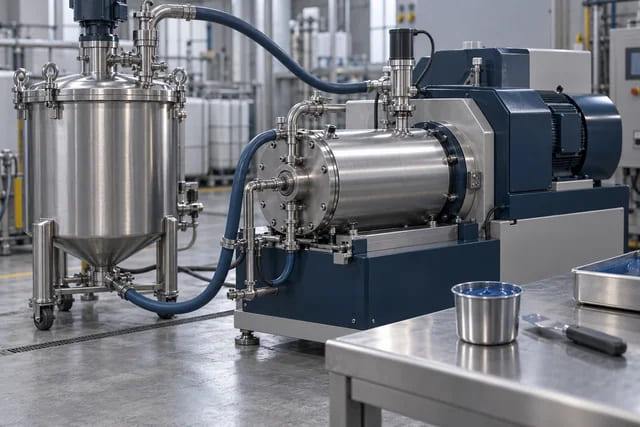
Process media
Grinding Balls for Fine Grinding & Dispersion
Media material, mill compatibility, wear and contamination control.
Seven families, connected to the application.
Explore all products →Share the drawing, contact conditions and acceptance criteria for your component.
Material selection guide →Explore the contact, medium and mechanism.
All applications →Share the drawing, contact conditions and acceptance criteria for your component.
Material selection guide →From an open material question to an agreed component requirement.
Explore services →Share the drawing, contact conditions and acceptance criteria for your component.
Material selection guide →Industry and sourcing guides for twelve target markets.
Explore all markets →Share the drawing, contact conditions and acceptance criteria for your component.
Material selection guide →Match the component programme, purchasing role and project responsibilities.
Explore partnerships →Share the drawing, contact conditions and acceptance criteria for your component.
Material selection guide →Corporate background, practical purchasing information and direct contact.
Explore company →Share the drawing, contact conditions and acceptance criteria for your component.
Material selection guide →Mechanical deblinding balls move beneath a sieve mesh to help dislodge material blocking its apertures. Their size, compound and rebound behavior must suit the screen arrangement and product. A solid elastomer ball is a different structure from a metal-core coated ball, so identify the requested construction and validate it in the screening system.
A ball-deck arrangement places moving elements beneath the mesh, where contact can help disturb blocked apertures. The support compartments, available travel and mesh construction are part of the system. The required ball cannot be chosen from the screen diameter alone.
Describe the powder, tendency to blind, operating temperature and cleaning conditions. For food-related powders, identify the relevant contact-document and product-contamination requirements rather than assuming every elastomer is acceptable.
Use these inputs to move from an application name to a useful component and supply enquiry.
| Selection input | Describe your conditions | Why it belongs in the enquiry |
|---|---|---|
| Screen arrangement | Mesh, support grid, compartments and available ball travel. | Use the equipment drawing or approved deblinding-element specification. |
| Powder and environment | Product characteristics, temperature and cleaning exposure. | Identify residues, additives and wear contamination that matter. |
| Ball construction | Solid elastomer, polymer or a defined coated structure. | Specify the compound and inspect the complete finished component. |
More aggressive contact is not automatically better. The screen, support arrangement and powder determine whether the selected elements help maintain useful flow without unacceptable wear or product effects. Compare the complete screening result.
Treat new elastomer materials as a compound-specific supply review. Include the required contact documents, color identification if needed, dimensional limits and acceptable wear condition; a generic rubber description is not enough for repeat supply.
| Material or product candidate | Why review it here? | What must be confirmed? |
|---|---|---|
| Solid Elastomer Balls | A solid elastomer candidate for a suitable mechanical ball deck. | Compound, hardness requirement and rebound need project review. |
| Nylon / PA Balls | A polymer candidate where the equipment specifies tapping balls. | Assess impact behavior, wear and the powder-contact conditions. |
| Rubber-Coated Balls | A distinct composite structure to consider only where specified. | A coated metal core is not an equivalent name for a solid rubber ball. |
These are application-review candidates. The exact grade, finished specification, supply scope and documents are confirmed in the quotation.
Trial the selected elements in the actual screen arrangement using representative powder. Observe screening behavior, mesh condition, ball wear and any contribution to the product, and agree replacement criteria.
Avoid this assumption. Changing only the ball may not correct an unsuitable mesh or an overloaded screening process.
In a mechanical ball-deck system they work beneath the mesh. Confirm the actual equipment arrangement.
The structures and impact behavior differ. Use the approved equipment specification and review the proposed construction.
No. Temperature, cleaning, product contact and wear requirements determine what needs evaluation.
Use a related function to compare requirements without assuming the same ball specification applies.
Media material, mill compatibility, wear and contamination control.
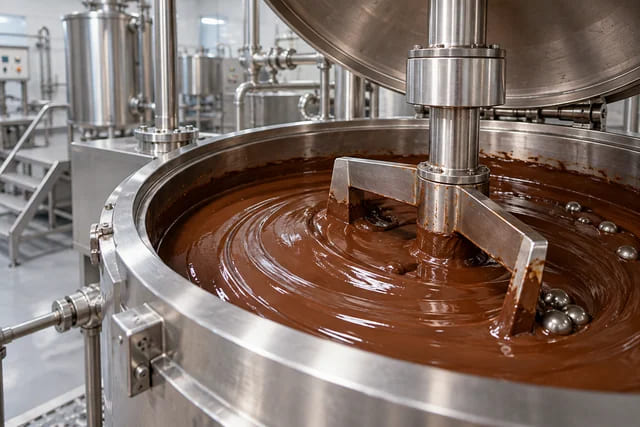
Process-media selection, product-contact conditions and cleaning requirements.
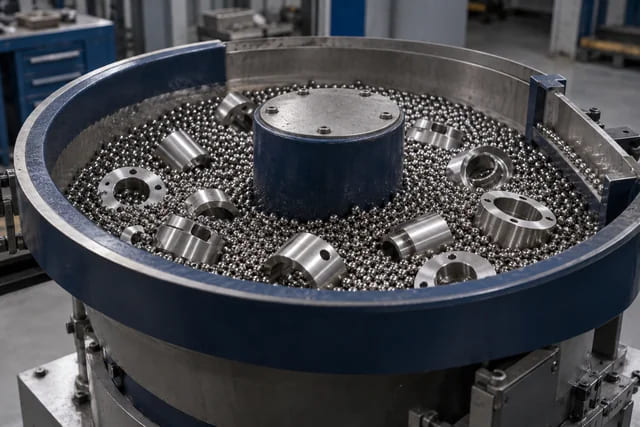
Surface objectives, workpiece contact and media separation.
Bring the material, size, operating conditions and quantity. Include the drawing and validation topics that matter to this project.
Russell Finex mechanical deblinding systems
References describe industry practice and material-selection context. They do not establish MEITUO stock, equipment ownership, qualification or performance.