What should I choose first: material or ball grade?
Start with the contact function and environment, then resolve material and condition before finalizing geometry. Ball grade cannot compensate for an unsuitable alloy or treatment. Once the design's material route is clear, select diameter, form, grouping and surface acceptance to support the actual fit and motion.
Is chrome steel a plated stainless material?
No. In AISI 52100 chrome steel balls, chrome refers to alloying within the bearing steel. It does not establish a decorative coating or stainless corrosion behavior. Specify any coating independently and include the moisture, lubricant and storage conditions that the uncoated or finished surface will encounter.
What separates case-hardened and through-hardened balls?
A case-hardened ball has a hardened outer region and a different core condition; through-hardening concerns the bulk section. They address different contact and processing needs. Define the relevant treatment acceptance and review load, impact and subsequent forming rather than treating a similar surface hardness as complete equivalence.
Can 316L replace a hardened stainless bearing ball?
Only after the component designer reviews the complete change. 316L is an austenitic selection, while 440C is a hardenable martensitic selection. Their contact behavior differs. A matching diameter does not establish equivalent indentation resistance, wear or assembly life, even where the corrosion motivation is sound.
Does a material certificate replace finished-ball inspection?
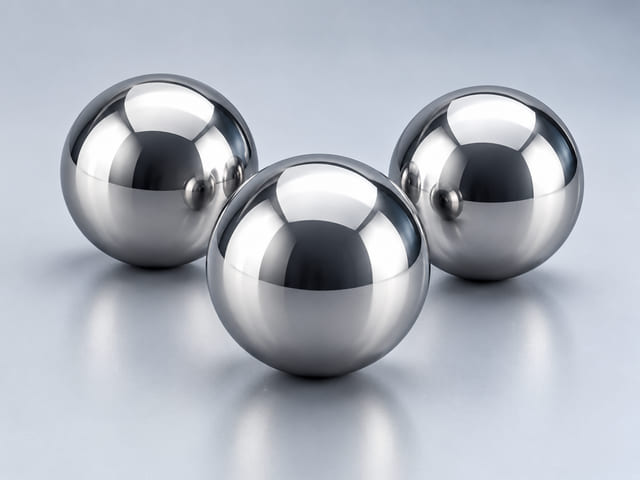
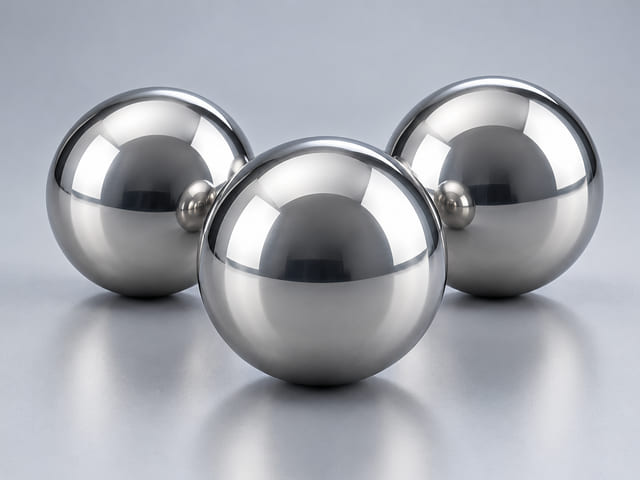
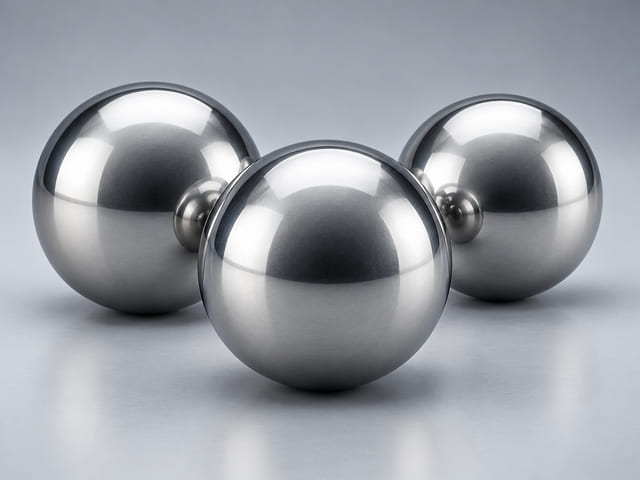
No. A material record addresses identity or condition within its scope; geometry, defects, cleanliness and the assembled function need their own acceptance. State which evidence applies to raw material and which applies to the finished lot. Neither a certificate title nor a polished photograph establishes the full component requirement.
Are 302, 304, 304L, 316 and 316L interchangeable?
No. These are distinct austenitic grade selections. The L designation identifies a lower-carbon member under the relevant standard, rather than extra ball precision or cleanliness. Use the drawing's exact member and list approved alternatives. Chemical exposure, downstream processing and required documents can make the distinction consequential.
Why does the same nominal diameter need size grouping?
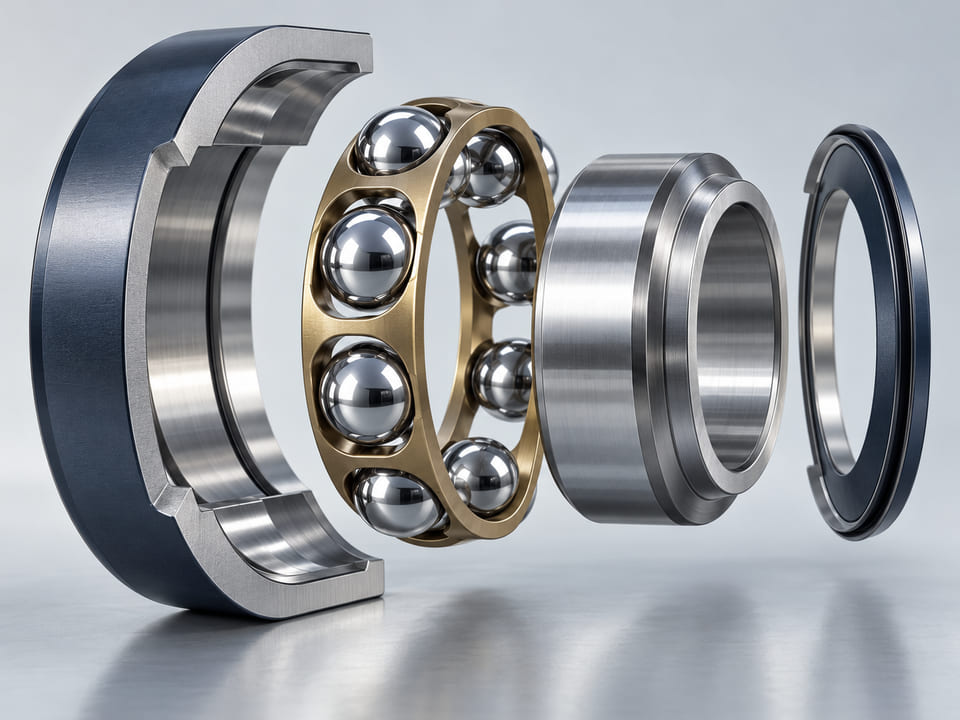
Some assemblies depend on the actual dimensions and variation within the ball set, rather than the nominal label alone. Grouping requirements should come from the approved mechanism design. Explain the preload or fit objective and specify the acceptance basis, especially when replacing elements in a recirculating or precision rolling arrangement.
What is the shortest useful information set for an enquiry?
Provide the drawing or nominal diameter with units, exact material and condition, sample and production quantities, contact function and environment. Add geometrical, surface and document requirements where they affect approval. If material selection remains open, describe the limiting problem so the comparison has a concrete engineering objective.