Skip to content
Industrial balls & precision componentsinfo@meituoballs.com
MEITUO Balls

Find a product, application or guide.

Material selection / 53 product options

Industrial Balls & Precision Components

Compare material families, define critical requirements and build a focused component enquiry.
Quick answer

Industrial balls are spherical components selected for rolling contact, fluid control, positioning, finishing and other defined functions. Choose the product family from the mechanism first, then compare material, geometry, environment and acceptance requirements. A bearing ball, check ball, hollow float and grinding medium may share a round shape but need different specifications. This guide connects those decisions to the relevant MEITUO product pages.

01 / EXPLORE

Explore all industrial ball families

Open an individual product page for material-specific considerations, applications and the details needed for a quotation.

53 product options

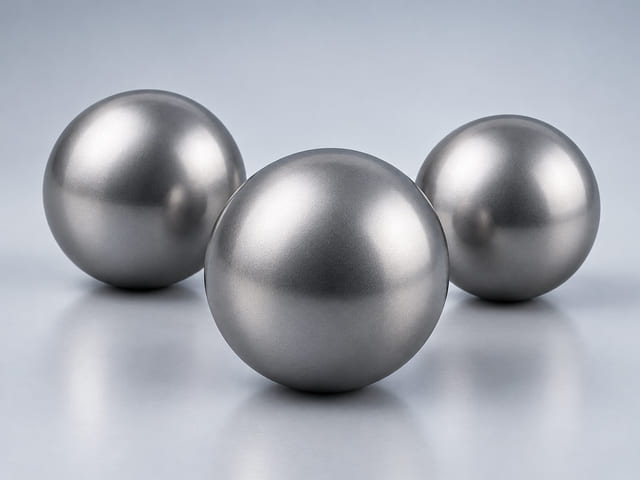
CGI illustration of AISI 1010/1015 Carbon Steel Balls
Material & specification review

AISI 1010/1015 Carbon Steel Balls

Case-hardened low-carbon steel spheres for economical rolling and mechanical components.

Explore product →
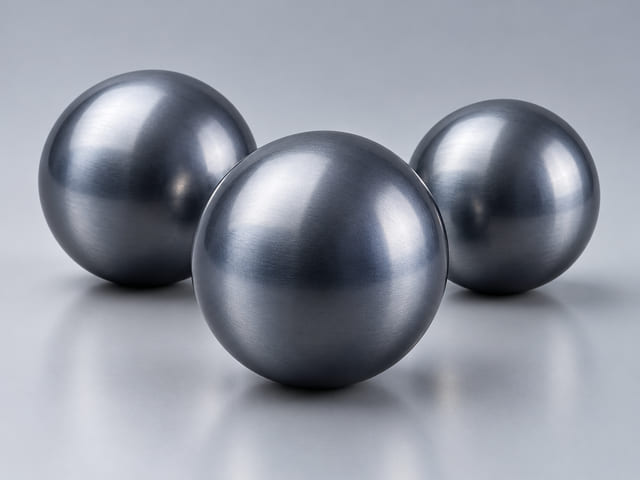
CGI illustration of AISI 1085 Carbon Steel Balls
Material & specification review

AISI 1085 Carbon Steel Balls

High-carbon steel spheres for wear-oriented mechanical and rolling-contact designs.

Explore product →
CGI illustration of Soft Carbon Steel Balls
Material & specification review

Soft Unhardened Carbon Steel Balls

Formable steel spheres for welding, staking and low-load component designs.

Explore product →
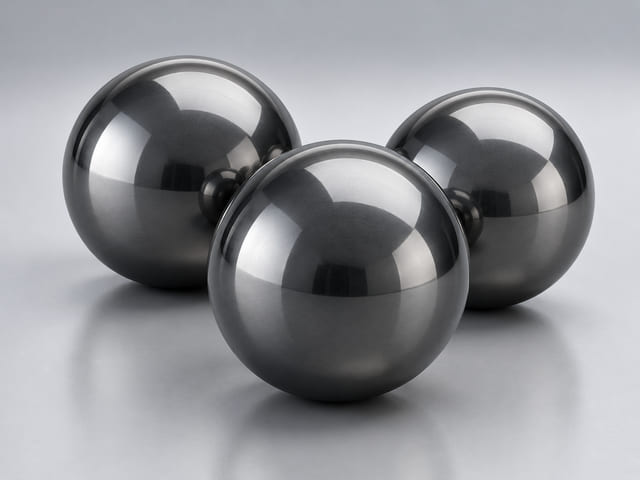
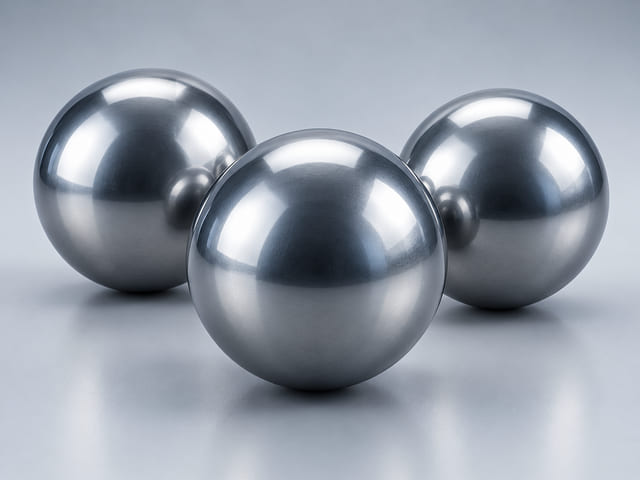
CGI illustration of AISI 52100 Chrome Steel Balls
Material & specification review

AISI 52100 Chrome Steel Balls

Bearing-steel spheres for controlled rolling contact and wear-sensitive precision mechanisms.

Explore product →
CGI illustration of 420A/420B Stainless Balls
Material & specification review

420A/420B Stainless Steel Balls

Hardenable stainless spheres for selected detents, mechanisms and mild-environment contacts.

Explore product →
CGI illustration of 420C Stainless Balls
Material & specification review

420C Stainless Steel Balls

Hardened stainless spheres for wear-sensitive seating and mechanical contacts.

Explore product →
CGI illustration of 440C Stainless Balls
Material & specification review

440C Stainless Steel Balls

High-carbon martensitic stainless spheres for controlled wear and rolling contacts.

Explore product →
CGI illustration of 302/304/304L Stainless Balls
Material & specification review

302/304/304L Stainless Steel Balls

Austenitic stainless spheres for fluid control and corrosion-conscious mechanical designs.

Explore product →
CGI illustration of 316/316L Stainless Balls
Material & specification review

316/316L Stainless Steel Balls

Molybdenum-bearing austenitic spheres for specified fluid and corrosion-conscious contacts.

Explore product →
CGI illustration of AISI 201 Stainless Balls
Material & specification review

AISI 201 Stainless Steel Balls

Austenitic stainless spheres for specified hardware and general mechanical environments.

Explore product →
CGI illustration of Duplex Stainless Steel Balls
Project review

Duplex Stainless Steel Balls

Project-reviewed ferritic-austenitic spheres for specified process and corrosion requirements.

Explore product →

Non-Ferrous & Specialty Metal Balls

Read the family selection guide →
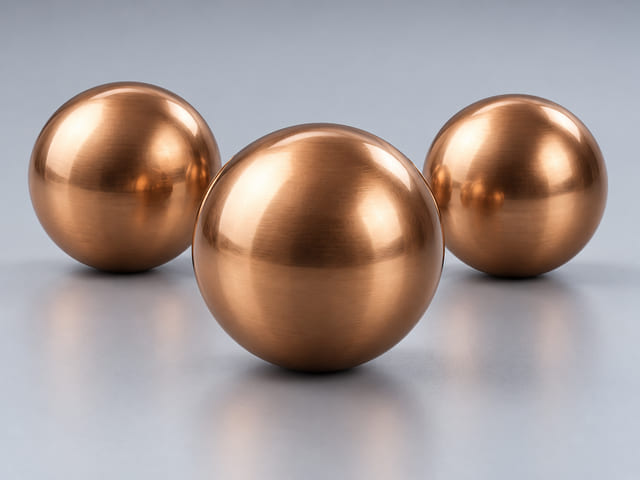
CGI illustration of Pure Copper Balls
Material & specification review

Pure Copper Balls

Conductive copper spheres for specified electrical, thermal and specialist component functions.

Explore product →
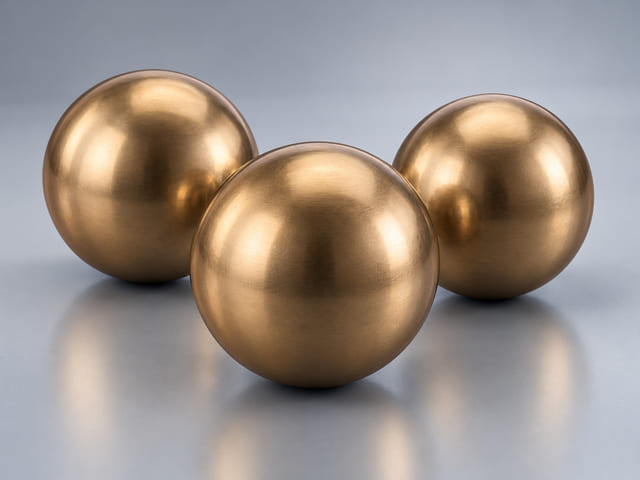
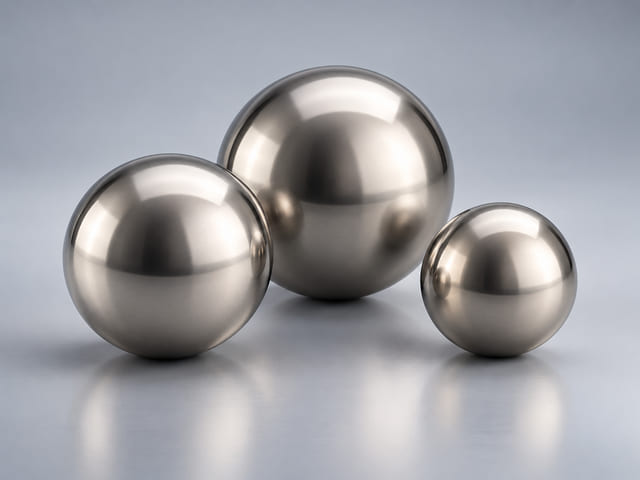
CGI illustration of Brass Balls
Material & specification review

Brass Balls

Copper-zinc alloy spheres for specified valve, hardware and mechanical contacts.

Explore product →
CGI illustration of Phosphor Bronze Balls
Material & specification review

Phosphor Bronze Balls

Copper-tin-phosphorus spheres for defined non-ferrous mechanical contacts.

Explore product →
CGI illustration of Aluminium Bronze Balls
Material & specification review

Aluminium Bronze Balls

Copper-aluminium alloy spheres for project-specific mechanical and fluid-contact requirements.

Explore product →
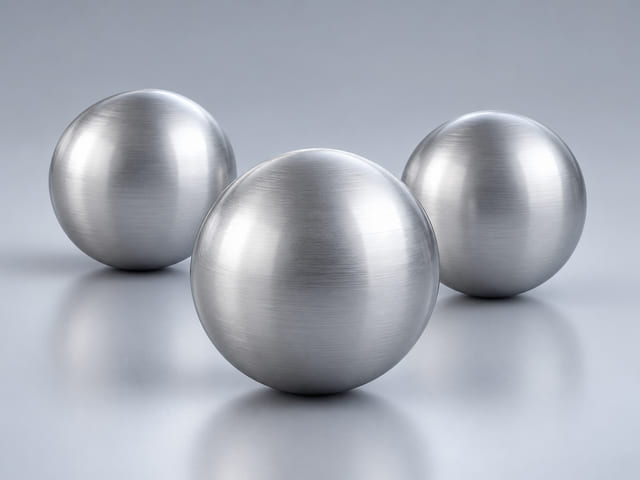
CGI illustration of Aluminium Balls
Material & specification review

Aluminium Balls

Lightweight metal spheres for defined motion, handling and component designs.

Explore product →
CGI illustration of Tungsten Carbide Balls
Material & specification review

Tungsten Carbide Balls

Cemented-carbide spheres for defined wear, seating and precision-contact requirements.

Explore product →
CGI illustration of Titanium Balls
Material & specification review

Titanium Balls

Specified titanium-grade spheres for low-mass, corrosion-conscious component development.

Explore product →
CGI illustration of Tantalum Balls
Material & specification review

Tantalum Balls

Specified refractory-metal spheres for chemical, clean-process and specialist component projects.

Explore product →
CGI illustration of Niobium Balls
Material & specification review

Niobium Balls

Specified refractory-metal spheres for research and material-sensitive component projects.

Explore product →
CGI illustration of Nickel Alloy Balls
Project review

Nickel Alloy Balls

Grade-specific nickel-based spheres for chemical and specialist component evaluation.

Explore product →
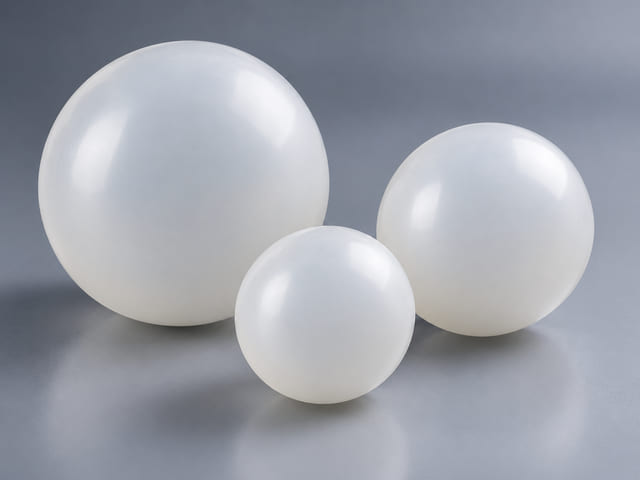
CGI illustration of Nylon Balls
Material & specification review

PA6 / PA66 Nylon Balls

Tough, quiet polymer spheres for light motion and compatible fluid-control components.

Explore product →
CGI illustration of HDPE Balls
Material & specification review

HDPE Balls

Lightweight polyethylene spheres for buoyancy, fluid contact and low-load components.

Explore product →
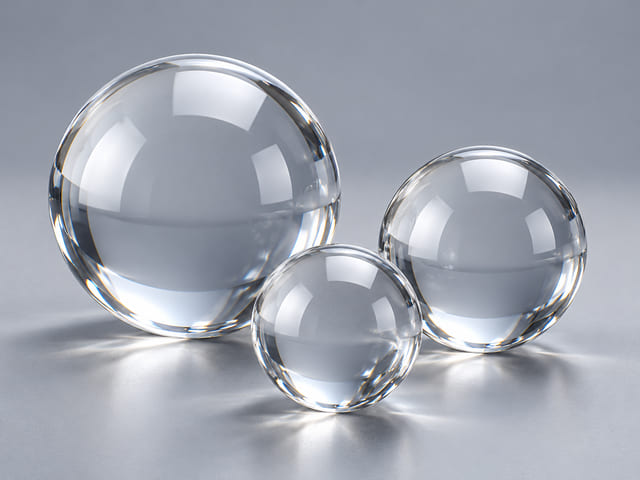
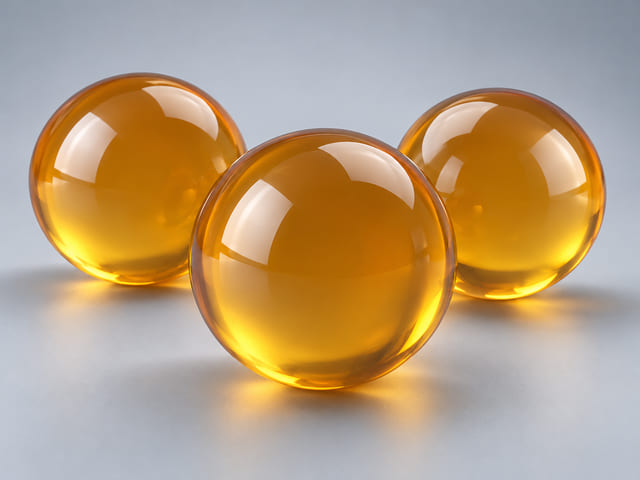
CGI illustration of PMMA Balls
Material & specification review

PMMA Acrylic Balls

Clear lightweight spheres for visible fluid movement and selected optical components.

Explore product →
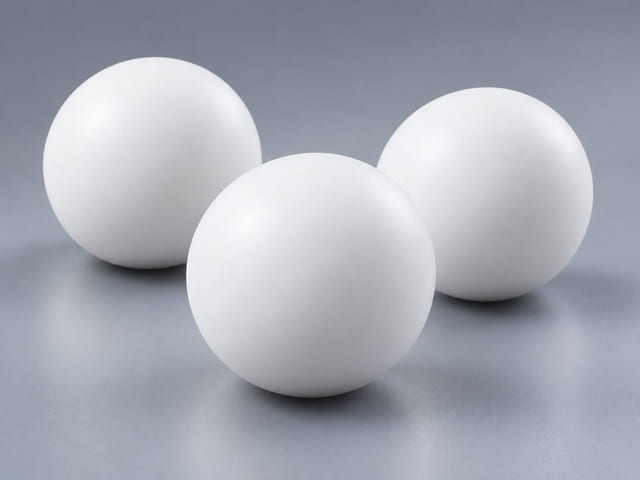
CGI illustration of POM Balls
Material & specification review

POM Acetal Balls

Dimensionally stable engineering polymer spheres for repeatable low-load contact and motion.

Explore product →
CGI illustration of PP Balls
Material & specification review

Polypropylene Balls

Low-mass polyolefin spheres for compatible liquids and lightly loaded mechanisms.

Explore product →
CGI illustration of PTFE Balls
Material & specification review

PTFE Balls

Fluoropolymer spheres for demanding fluid compatibility and controlled low-friction contact.

Explore product →
CGI illustration of PUR Balls
Material & specification review

Polyurethane Balls

Elastic spheres for controlled cushioning, wear contact and compatible sealing concepts.

Explore product →
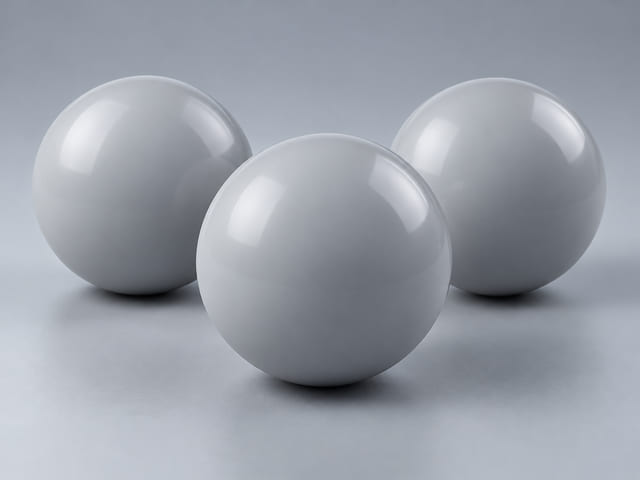
CGI illustration of PVC Balls
Material & specification review

Rigid PVC Balls

Polishable rigid-polymer spheres for compatible fluid and industrial component duties.

Explore product →
CGI illustration of Optical & Mechanical Trackballs
Material & specification review

Optical & Mechanical Trackballs

Functional resin spheres matched to sensors, supports and the intended operating feel.

Explore product →
CGI illustration of PEEK Balls
Project review

PEEK Balls

High-performance polymer spheres for demanding fluid and mechanical component reviews.

Explore product →
CGI illustration of PVDF Balls
Project review

PVDF Balls

Fluoropolymer spheres for chemical-handling components with defined contact and exposure conditions.

Explore product →
CGI illustration of UHMWPE Balls
Project review

UHMWPE Balls

Tough polyethylene spheres for low-load wear, impact and compatible fluid-contact reviews.

Explore product →

Grinding & Finishing Media

Read the family selection guide →
All product options require specification confirmation. Entries marked “Project review” additionally require a feasibility assessment; neither label confirms stock or a past supply record.

A useful component enquiry starts with the job the part must perform. Replacing a steel sphere with a polymer changes more than corrosion behavior; it may also change mass, stiffness, thermal response and contact deformation. Changing a solid sphere to a hollow construction introduces a shell and joint. Even within one material family, the grade, treatment and inspection basis matter. Use the selection routes below to narrow the options, then open the product pages for the requirements specific to each candidate. Where the function is still uncertain, describe the assembly before selecting a material name.

02 / SELECT

Which industrial ball family fits your application?

Match the function to a family before comparing individual grades. The starting points below are product-review routes, not blanket approvals for every service condition. Read the final column alongside the product links so the same nominal diameter is not mistaken for a complete replacement specification.

Swipe or scroll the comparison table →
Which industrial ball family fits your application?
Product familyStart here when…Representative optionsDecision to verify
Precision steel ballsThe part rolls, locates or contacts a metallic mating surface.52100 bearing steel, 316/316L stainlessGeometry, treatment, contact fatigue and corrosion exposure.
Non-ferrous and specialty metal ballsConductivity, mass or a particular alloy system drives selection.Copper, titanium, tungsten carbideExact alloy or binder, surface condition and the real contact duty.
Plastic and resin ballsA nonmetallic, lightweight or compliant contact is being considered.POM, PTFE, PEEKCompound, fluid cycle, moisture, temperature and deformation.
Ceramic and glass ballsHard ceramic contact, optical properties or a glass component is required.Silicon nitride, zirconia, borosilicate glassMaterial system, defect acceptance and the intended component function.
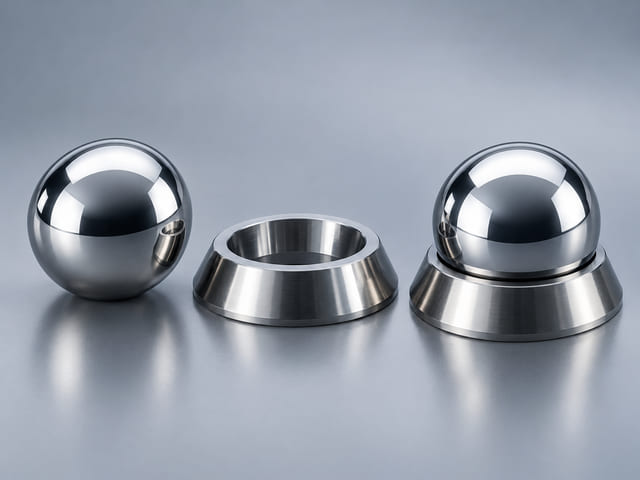
Engineered balls and assembliesThe sphere needs a cavity, thread, coating or defined mating component.Hollow spheres, threaded balls, ball and seat setsComplete construction, attachment, interface and functional acceptance.
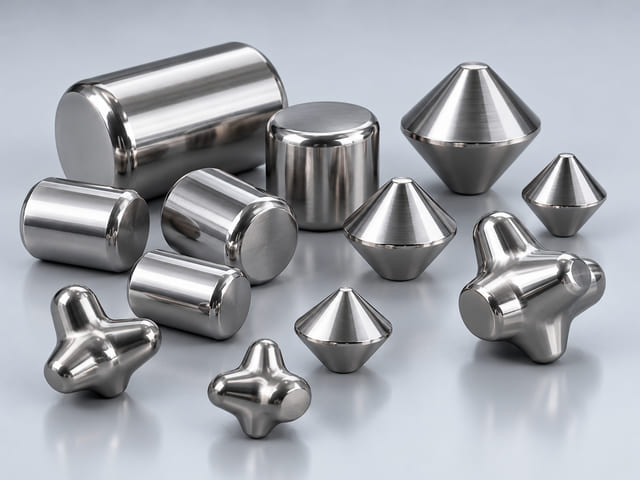
Grinding and finishing mediaThe purchased product works on a process charge or workpiece surface.Spherical media, shaped mediaSize reduction versus surface finishing, contamination and equipment fit.
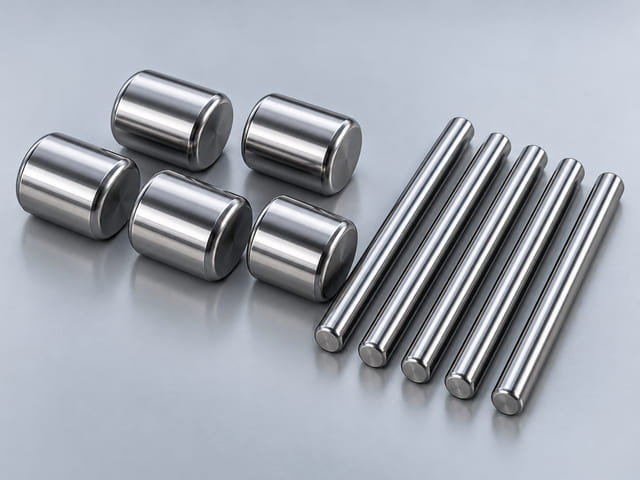
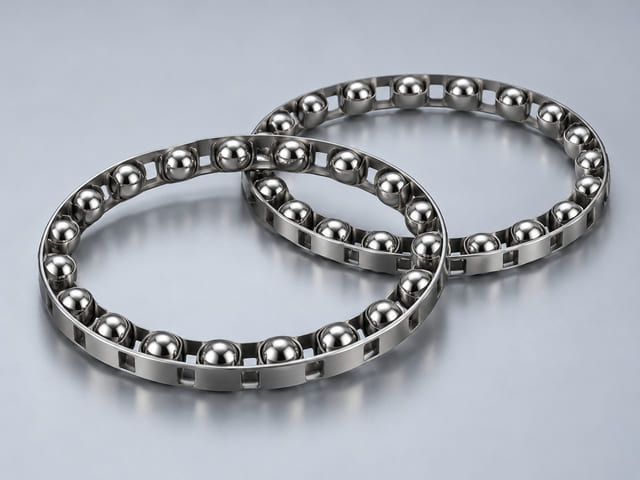
Rollers and motion componentsThe assembly uses cylindrical rolling contact or a ball-spacing element.Cylindrical and needle rollers, ball retainersRace compatibility, roller profile, cage guidance and complete assembly approval.
01

Material family, finished condition and ball grade are different decisions

A material designation identifies the composition or material system; it does not describe every feature of a finished sphere. A treatment changes the material condition, while geometrical acceptance addresses size, form and surface requirements. For example, case-hardened low-carbon steel balls and unhardened soft steel balls can belong to related steel families yet be chosen for different assembly operations. A polymer compound can similarly change through filling or conditioning. Specify the characteristics that matter independently, with their acceptance methods, so that “same material” does not become an unsupported claim of equivalent performance.

02

Compare the complete contact and exposure cycle

Material screening should cover the normal operating medium, cleaning agents, temperature changes and contact with mating parts. A metallic sphere, a PTFE ball and an elastomer sphere respond differently to loading even when their free diameters match. Hardness alone cannot decide the preferred material, and a corrosion chart does not describe every sealing or rolling contact. Identify which failure would matter most: leakage, indentation, dimensional drift, wear debris or loss of motion. Use that requirement to choose the comparison, then define a representative sample or assembly validation rather than approving a material from its name.

03

Keep precision components, process media and reference artefacts distinct

A shiny sphere can serve very different purchasing roles. A precision bearing ball is specified for its contact geometry and material condition. Grinding or burnishing media are selected around the process outcome, contamination and interaction with a workpiece or charge. A reference sphere requires an appropriate measured result, uncertainty and traceability where those claims form part of the deliverable. Neither a polished appearance nor a normal dimensional inspection makes one category equivalent to another. Identify the role at enquiry stage so the documentation, inspection responsibility and qualification effort match the intended use.

03 / APPLY

Connect the material to the working application

Review the contact, environment and acceptance conditions in the assembly where the component will work.

Rolling and positioning mechanisms

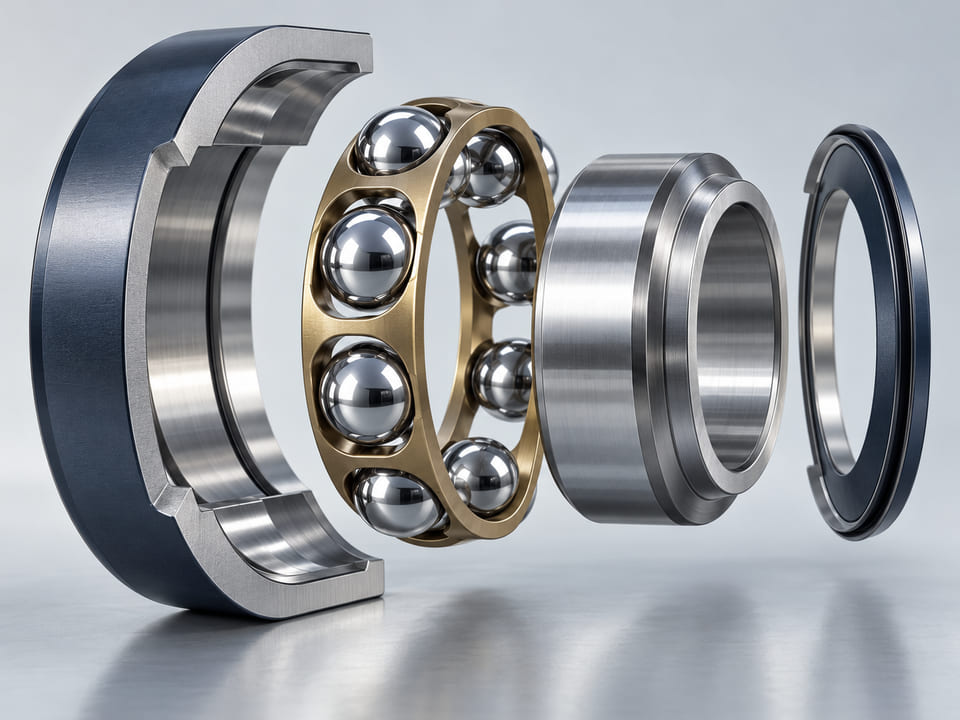
For a caster, guide, indexing device or bearing-related mechanism, start with the race or mating surface and its duty. Review steel ball options alongside rollers and retainers where the contact arrangement calls for them. A lighter polymer sphere may be relevant to a different low-load contact, but it changes stiffness and geometry under load. The complete mechanism establishes capacity and life; the loose component name does not supply those ratings.

CGI illustration of AISI 52100 Chrome Steel Balls
AISI 52100 Chrome Steel Balls · application concept

Pumps, valves and fluid-handling components

For a moving closure, identify whether the design uses a complete solid check ball, an elastomer-covered contact or a machined rotary element. Valve balls and matched ball and seat sets involve different component scopes. Compare metal, polymer and ceramic candidates against the real fluid, cleaning cycle and seat. If the objective is buoyancy rather than shut-off, a hollow sphere introduces a separate mass and shell-integrity review.

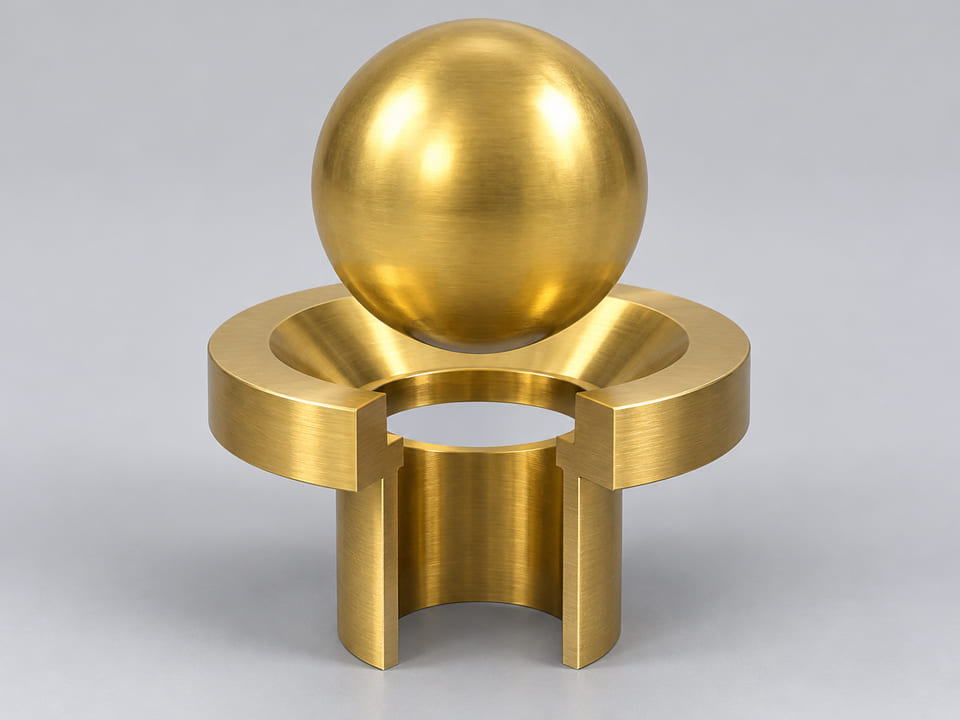
CGI illustration of Brass Balls
Brass Balls · application concept

Process finishing, instruments and specialist products

A finishing bowl, an optical interface and a metrology device should not share an undifferentiated sphere specification. Shaped media need workpiece-access and separation review, while trackballs require compatibility with the actual sensing and support arrangement. Instrument applications may lead to ruby or sapphire spheres with their own surface and defect requirements. Start with the equipment and target outcome so the product page you open answers the right selection problem.

04 / SPECIFY

What belongs in an industrial ball specification?

Send the requirements that control acceptance, rather than an unexplained request for “high precision.” Separate the physical component from its operating environment and commercial order basis. This gives the technical review a clear starting point and makes competing quotations easier to compare on the same scope.

Swipe or scroll the comparison table →
What belongs in an industrial ball specification?
RequirementInformation to providePurchasing consequence
Function and scopeMechanism, original part reference, drawing revision and whether mating parts are included.Distinguishes a loose sphere from an engineered assembly or process medium.
Material identityAlloy, polymer compound, ceramic composition, coating or acceptable alternatives.Prevents a family name or exterior color from standing in for an approved material.
Geometry and fitNominal dimensions, units, size limits, form, finish and critical interfaces.Connects the purchased part to its seat, race, fixture or process equipment.
Working conditionsContact, fluid and concentration, temperature cycle, contamination and cleaning.Screens materials against the combined exposure, including maintenance.
Inspection and documentsAcceptance method, sample approval, lot identification and required material records.Clarifies which evidence applies to the component and which belongs to assembly testing.
Quantities and handlingSample and production demand, allowable protection, cleanliness and packing.Defines the quotation basis without assuming stock, order minimums or fixed lead time.
From material name to a reviewable requirement

Feasibility, material identity, dimensions, inspection documents, quantities and supply terms are confirmed against your enquiry and quotation. Product illustrations do not establish a certified specification.

Prepare a focused enquiry →
05 / CLARIFY

Industrial ball selection: common questions

How do I choose between steel, plastic and ceramic balls?

Choose from the function and operating conditions rather than a material ranking. Compare the contact, medium, temperature, dimensional behavior and acceptable wear or debris. Steel, polymer and ceramic candidates have different limitations. Narrow the family with the selection table, then review the product-specific compound or grade and sample acceptance.

Is a higher ball grade always the best purchase?

A geometrical grade is useful only when its defined characteristics match the assembly requirement. It does not automatically establish the right material, treatment, load capacity or corrosion behavior. Identify the size, form and surface characteristics that control your component before requesting a grade or approving a more expensive alternative.

Can two balls with the same diameter replace one another?

Not solely because the nominal diameter matches. Material condition, surface, mass, deformation and dimensional limits can change the function. Replacement approval should also consider the seat, race, retaining feature and operating cycle. For an existing assembly, include its original component specification and describe the reason for the proposed change.

What is the difference between a solid, hollow and coated ball?

A solid ball has material throughout its section. A hollow sphere has a shell and cavity, while a coated ball combines a core with a different exterior material. Those constructions change mass, stiffness, contact and potential failure modes. Define the complete construction, joint or coating requirements instead of specifying only the outside diameter.

Do stainless, polymer or ceramic names establish controlled-contact compliance?

No. A material family alone does not establish the documentation or suitability of a finished component for a controlled application. Name the exact contact conditions and required evidence. Review the quoted grade or formulation, manufacturing scope, cleanliness and acceptance against the intended use rather than transferring claims from an unrelated material data sheet.

How are grinding media different from precision bearing balls?

They have different acceptance purposes. Media are assessed around the process, wear, contamination and effect on the charge or workpiece. A bearing ball is assessed as a contact component within a defined mechanism. Similar shape and polish do not make the two interchangeable; start with the actual job and documentation scope.

What if I have a sample but no complete drawing?

Use the sample to explain the component, then identify which dimensions and interfaces control its function. A used part may be worn, coated or deformed, so its current measurements are not automatically the original requirements. Include any equipment reference, service conditions and known acceptance limits for the review.

What should I send for a MEITUO Balls quotation?

Send the product or material candidate, drawing or dimensions with units, sample and production quantities, operating conditions and required inspection records. Add mating-part details where contact is important. If you are still comparing materials, explain the design constraint so the enquiry can start with selection rather than an unsupported substitute.
Move from shortlist to specification

Tell us what the component needs to do.

Include the assembly function, material candidates, drawing or diameter, operating environment, quantities and acceptance needs. MEITUO Balls can review these details against the specific product enquiry.

info@meituoballs.com ↗

Drafts are prepared on your device. Review the message in your email app before sending.