Ruby & Sapphire Balls
Ruby and sapphire balls are synthetic single-crystal aluminium oxide spheres considered for precision contacts, metrology styli, selected valves and optical components. Ruby's red colour reflects its doped composition, while sapphire is commonly specified colourless for technical uses; neither colour establishes a precision grade. Define crystal material, diameter, form, surface, optical or contact function and inspection evidence before approving this additional candidate family.
- Material / construction
- Single-crystal aluminium oxide; synthetic ruby or sapphire specified
- Specification basis
- Drawing, diameter & acceptance
- Order basis
- Sample & production quantities
Ruby & Sapphire Balls: selection overview
Ruby and sapphire share the corundum crystal family, but their colour and optical behaviour are not interchangeable requirements. Ruby uses a doped composition that produces the familiar red appearance; technical sapphire can be colourless and transparent. A metrology contact primarily needs controlled geometry and surface interaction, while an optical element may also need transmission and crystal-orientation requirements. Neither should inherit a decorative gemstone acceptance standard. For a new supply project, verify the proposed crystal material, finishing and inspection route before treating a polished sphere as a calibrated artefact or qualified lens.
Ruby vs sapphire: select for the actual function
Decide whether colour is an identification aid, a visual preference or part of an optical requirement. For a stylus or hard contact, define diameter, form, surface and attachment conditions. For a transmitting element, state wavelength and relevant optical acceptance; crystal orientation can also need specification. The two materials should remain distinct choices within the series page, with grade and evidence identified rather than assuming that a red or clear sphere differs only cosmetically.
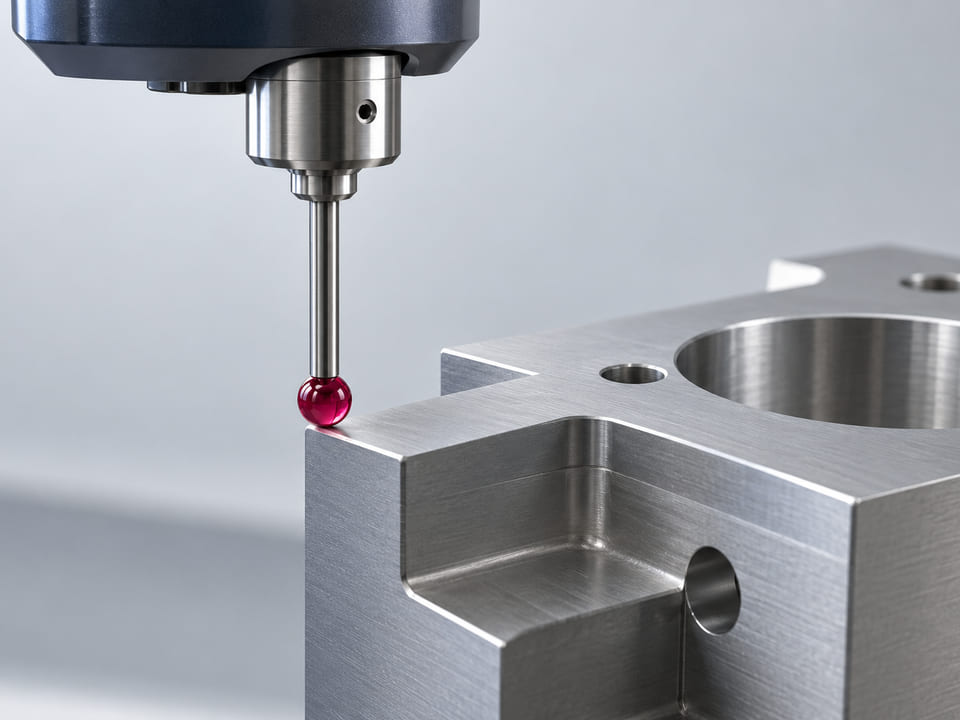
Separate precision geometry from calibration or optical claims
A well-finished corundum ball can be a component without being a calibrated reference sphere. Calibration requires its own measurement result, uncertainty and traceability documentation. Likewise, transparency does not establish ball-lens quality. State the role, mounting and acceptance method before sampling so the proposal covers the actual requirement. Surface defects, attachment damage and contamination can matter after installation, so include handling and assembled validation where the final function depends on them.
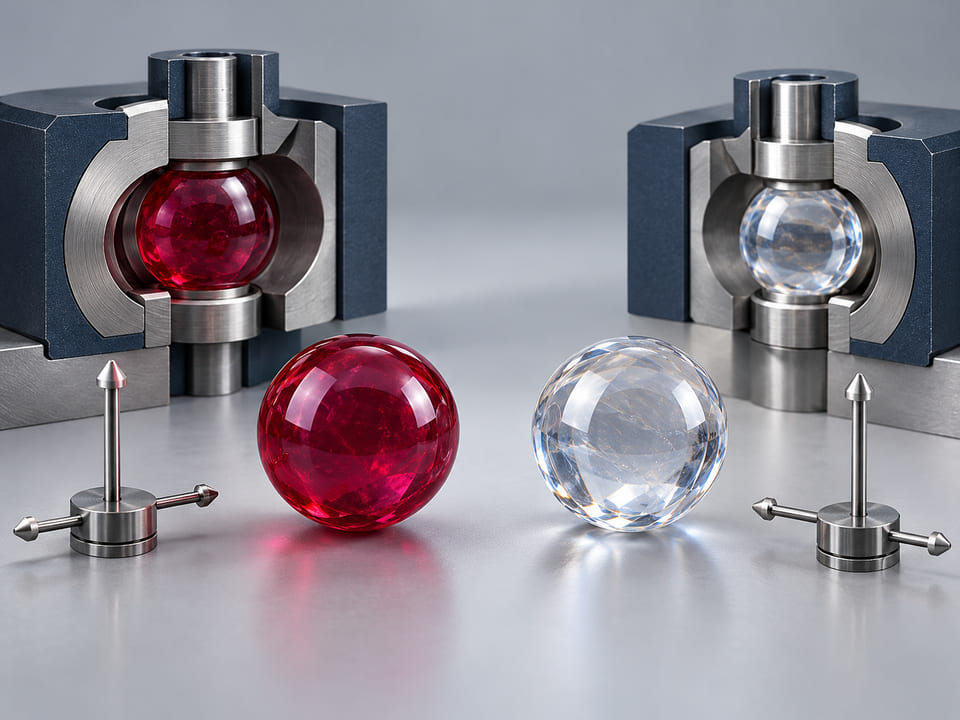
Ruby & Sapphire Balls specifications
Define the component using the requirements below. Include your target values and acceptance method; the quotation records the agreed material, geometry, inspection and supply scope.
| Requirement | What to specify | Why it matters |
|---|---|---|
| Crystal identity | Specify synthetic ruby or sapphire, grade and composition restrictions. | Colour alone does not define the complete material or precision requirement. |
| Geometry and attachment | Define diameter, form, surface and any stem or mounting interface. | Assembly can alter the contact function even when the free sphere passes inspection. |
| Optical requirement | State wavelength, transmission and orientation when relevant. | Transparency is not a complete lens or optical-element specification. |
| Evidence scope | Distinguish component inspection from calibration or instrument qualification. | A precision sphere does not automatically carry a metrological uncertainty or traceable assigned value. |
Drawing and dimensional acceptance
Provide the drawing revision and nominal dimensions with units. Identify critical form, surface and fit requirements individually; a material designation alone does not define a finished component. Where an existing sample is the reference, describe wear and confirm the intended acceptance limits.
Order and inspection scope
Separate sample quantities from production demand. State the required inspection documents, lot identification, cleanliness and packaging. Any proposed substitute or change to the component specification should be reviewed before approval, with the quotation confirming the agreed scope.
Numeric performance values, when needed, must identify their material, conditions and evidence. Typical raw-material data should not be treated as guaranteed finished-component performance.
Ruby & Sapphire Balls applications
Start with the actual mechanism and exposure conditions. Each use below identifies the information needed for a useful technical review.
Metrology stylus components
Synthetic ruby is commonly considered for a hard spherical probing contact. Define the ball, stem interface and assembled geometry, and evaluate interaction with the measured surface. A component-quality sphere does not by itself establish the calibration or uncertainty of the finished stylus or measuring instrument.
Selected precision valve contacts
Ruby or sapphire may be reviewed for small hard contacts where the actual fluid and seat support the material choice. Specify geometry and surface integrity carefully. Leakage and impact need a representative component test; single-crystal material identity alone does not demonstrate a successful valve seat interface.
Optical and light-handling components
Sapphire or a specified ruby composition may be considered where the optical function is explicitly defined. Provide wavelength, transmission and relevant surface or orientation requirements. An industrial precision sphere should not be described as an optical-grade ball lens solely because it is transparent or has a polished gemstone-like appearance.
Compare Ruby & Sapphire Balls alternatives
Compare the requirement that drives the decision. A matching nominal diameter or similar appearance does not establish material or functional equivalence.
| Alternative | When to review it | Tradeoff to assess |
|---|---|---|
| Polycrystalline alumina | Compare alumina when a hard oxide-ceramic contact is needed and single-crystal optical or material requirements are unnecessary. | Composition and surface acceptance still matter; polycrystalline ceramic and synthetic corundum are not equivalent merely because both contain aluminium oxide. |
| Zirconia | Review zirconia for contact or stylus concepts where a different material interaction, density or mechanical property balance is useful. | Check the actual measured surface or seat and the assembled geometry; another hard ceramic can change wear and contact behaviour. |
| Calibrated reference spheres | Use the reference-sphere specification when the deliverable must include an assigned measurement value, uncertainty and traceable calibration evidence. | A precise ruby or sapphire component is not automatically a calibrated artefact, and calibration capability must be established for the actual project. |
These links open the corresponding product pages in this collection. Final selection depends on your complete specification and the agreed validation.
Ruby & Sapphire Balls FAQs
What is the difference between ruby and sapphire balls?
Both are corundum-based single-crystal aluminium oxide, while ruby's doped composition produces its red colour and technical sapphire is often specified colourless. Select according to contact or optical function and grade. Colour alone does not establish geometry, optical quality or the suitability of a finished component.
Are ruby balls natural gemstones?
This technical product family concerns synthetic material specified for industrial components. Identify the crystal material and required evidence explicitly. Decorative gemstone terminology is not an adequate substitute for diameter, form, surface and material acceptance in a stylus, valve or optical component.
Does a precision ruby ball count as a calibrated reference?
No. Component inspection and calibration are different deliverables. A calibrated reference needs an assigned measured value, uncertainty, conditions and traceability documentation appropriate to the project. Define that requirement separately rather than assuming a hard, accurately shaped or visually polished sphere automatically provides a calibrated artefact.
Can sapphire balls be used as optical lenses?
They can be considered when the optical specification is defined and met. State wavelength, material, surface and relevant orientation or performance requirements. Transparency and polish are only part of the question; an industrial sphere does not automatically have the optical quality required by a particular light path.
How should stylus spheres be approved?
Inspect material, diameter, form and surface, then evaluate attachment and the assembled contact. Include the interaction with the measured workpiece and any instrument qualification required. A free-sphere report does not establish the geometry, uncertainty or performance of the complete mounted stylus.
What is needed for a ruby or sapphire quotation?
Provide material choice, ball geometry, surface-defect limits, quantity and contact or optical function. Add attachment details, relevant wavelength or orientation and required inspection or calibration evidence. The new candidate's supply and qualification route should be reviewed against those inputs before commercial capability or special-use compliance is asserted.
Request a quotation
Turn the Ruby & Sapphire Balls requirements into a clear enquiry for MEITUO Balls.
- Define the material and geometry.
- Describe the application and acceptance.
- Separate sample and production demand.
The quotation confirms feasibility, supply scope, inspection documents and commercial terms. Generated illustrations are not evidence of available stock or completed validation.
Continue your material review
Engineering references and illustration notes
- RGPBALLS synthetic ruby sphere reference
- RGPBALLS synthetic sapphire sphere reference
- Crystran optical-material handbook
Material-family references support screening. The exact grade, finished geometry and application acceptance govern an actual enquiry.
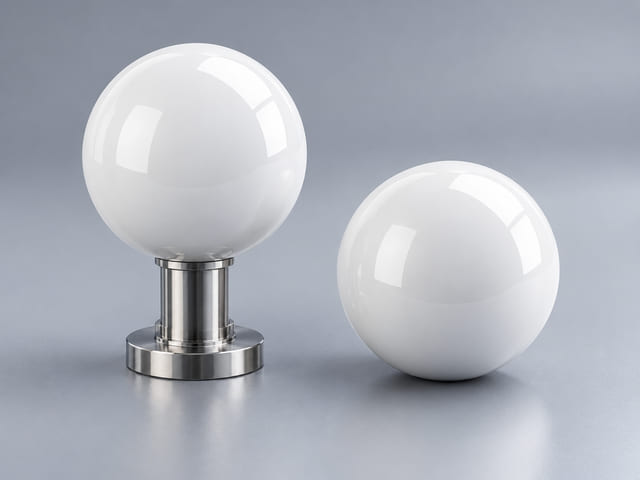
CGI illustrations explain product, application or structure concepts. They are not photographs, measured micrographs, assembly drawings or inspection results.