How do I choose between pure copper, brass and bronze?
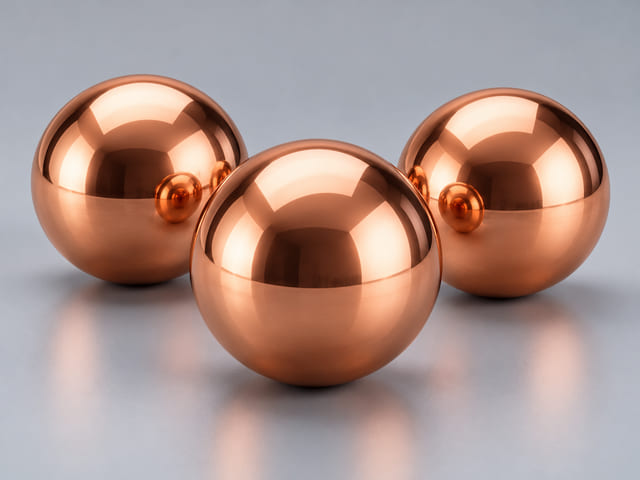
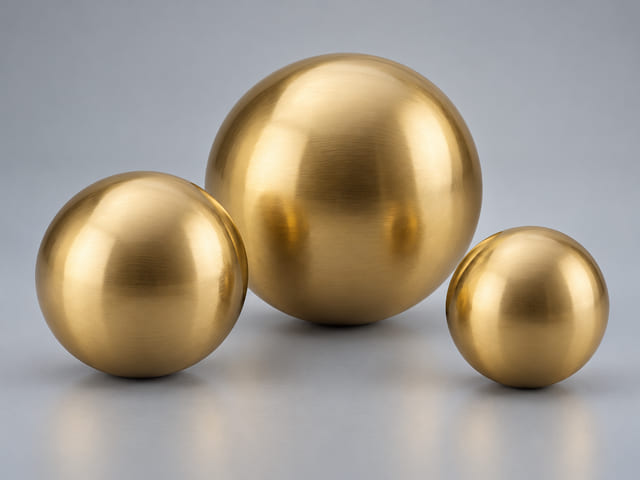
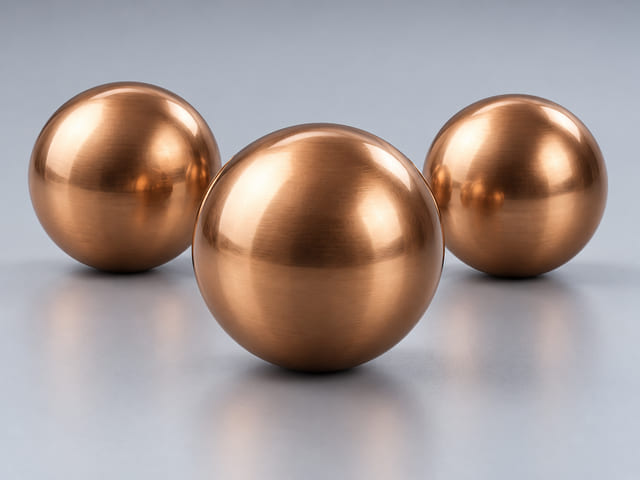
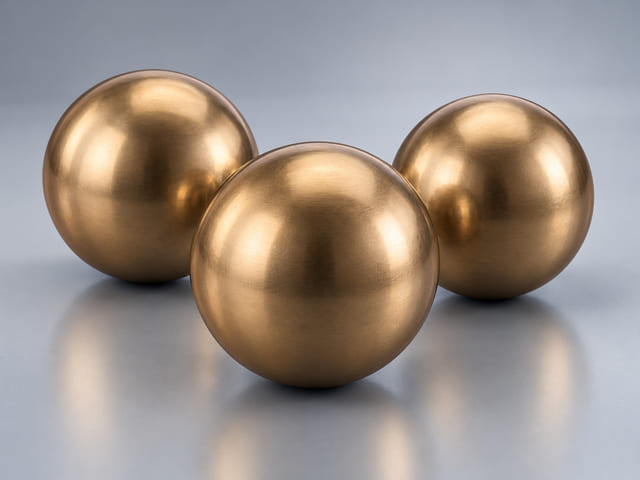
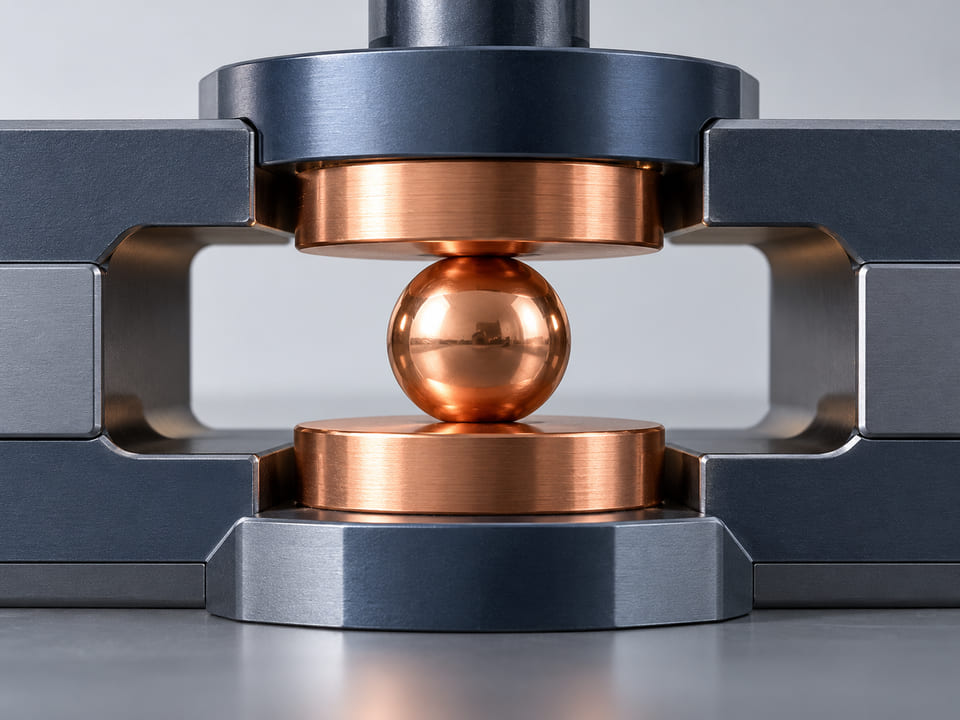
Begin with the function. Copper may be relevant to conductivity, whereas brass and the separate bronze systems introduce different composition and mechanical balances. Compare exact grades and conditions, then retain the same contact force, medium and surface criteria. Colour and a broad copper-alloy label cannot establish equivalence.
Is aluminium bronze the same as aluminium metal?
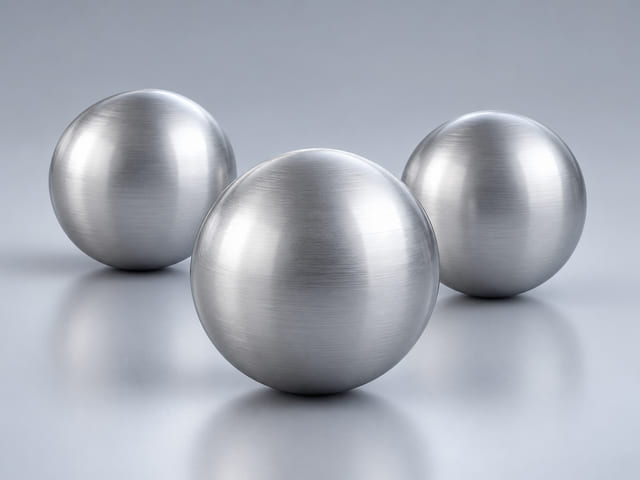
No. Aluminium bronze is a copper-based alloy containing aluminium as an important alloying element. Aluminium spheres belong to another material family. Their mass, mechanical and environmental behavior differ. Specify the full designation and required condition, especially where a translated or abbreviated purchase description could obscure that distinction.
Why must a carbide-ball enquiry identify the binder?
The binder is part of the complete cemented material, not a negligible accessory. Its identity helps define mechanical and chemical behavior alongside the carbide grade. Provide the actual medium, contact and impact conditions. A general tungsten-carbide label cannot establish the same finished material or compatibility as a specifically qualified grade.
Will a solid aluminium sphere float in water?
No. A solid aluminium sphere is denser than water and will sink when immersed under ordinary conditions. Its lower mass than a same-size steel ball does not make it buoyant. A hollow sphere can behave differently because its total mass and displaced volume change. For flotation, define the liquid, construction and required buoyancy.
Can one titanium grade replace another?
Only through an approved material review. Commercially pure titanium grades and alloyed Grade 5 have different compositions and material conditions. Use the drawing's exact designation, then compare contact wear, medium and required evidence. A shared titanium family or low-mass objective does not independently justify a substitution.
Does a high-purity metal automatically suit medical or vacuum use?
No. Purity is one requirement. The equipment program may also need defined impurities, processing, cleanliness, handling and qualification evidence. Describe the component's actual role and the applicable acceptance scope. A polished sphere or general material reputation cannot demonstrate all the conditions of a medical, vacuum or research application.
Can a nickel-alloy datasheet supply the ball specification?
It can support material selection, but its properties apply to particular grades, conditions and product forms. Define the sphere's geometry, surface and material evidence separately. A nickel-alloy project also needs finishing feasibility and sample acceptance before reference data can be treated as an agreed finished-component requirement.
What information makes a specialty-metal enquiry useful?
Send the drawing, exact material or unresolved selection question, operating environment and contact function. Add sample and production quantities, surface acceptance and the evidence needed. Explain why the current material is insufficient. That allows a focused comparison instead of an expensive material substitution with no measurable objective.