Tantalum Balls
Tantalum balls are refractory-metal spheres considered for selected chemical, clean-process and specialist components where tantalum's material characteristics serve a defined function. Specify purity, material condition, geometry, surface and contamination limits before quotation. Chemical compatibility must cover the actual medium and temperature, while an electronics, vacuum or medical application requires its own qualification. A polished tantalum sphere does not independently establish purity, cleanliness or approval for regulated equipment.
- Material / construction
- Specified tantalum purity or grade and material condition
- Specification basis
- Drawing, diameter & acceptance
- Order basis
- Sample & production quantities
Tantalum Balls: selection overview
Tantalum is a distinct dense refractory metal, not a density-only substitute for tungsten alloy or a generic corrosion-proof metal. Its passive surface and compatibility with selected media can motivate a design, but the medium, temperature and complete contact still govern suitability. Purity and contaminant controls may dominate a clean-process requirement, while geometry and material condition may dominate a mechanical function. Avoid transferring a claim from a tantalum powder, sheet or implant material directly to the sphere. Define the actual component and the evidence needed to demonstrate its function.
Define purity through an analytical requirement
State the material grade, purity basis and any individual impurity limits the project needs. A high-purity description without an analytical basis cannot resolve a semiconductor, laboratory or other contamination-sensitive requirement. Identify whether the evidence must trace to the raw material, finished part or both. The requested scope should be agreed with the proposed supply route. A bright, smooth sphere and a material-family name are not substitutes for a suitable analysis and traceability record.
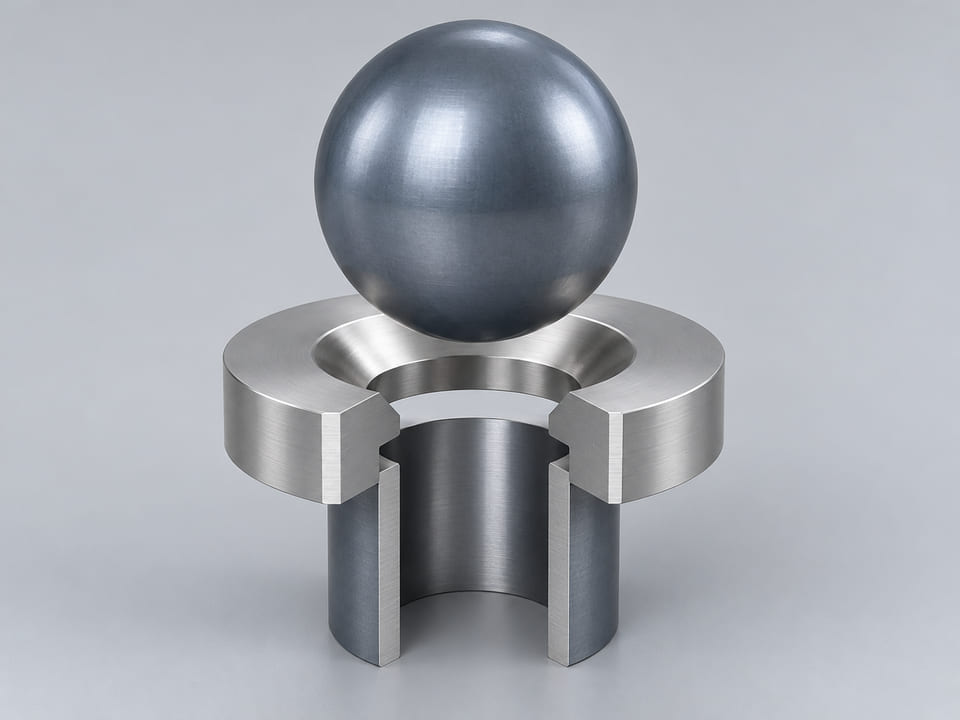
Connect surface acceptance to the environment
Describe the actual chemical, concentration, temperature and exposure cycle. For vacuum or clean-process use, identify cleaning, handling and packing requirements without assuming that a general polished finish is sufficient. If the ball also carries a mechanical contact, include the mating material and load. The thermal and chemical reputation of the bulk metal cannot establish the sphere's allowable operating envelope independently of its material state, surface and complete assembly.
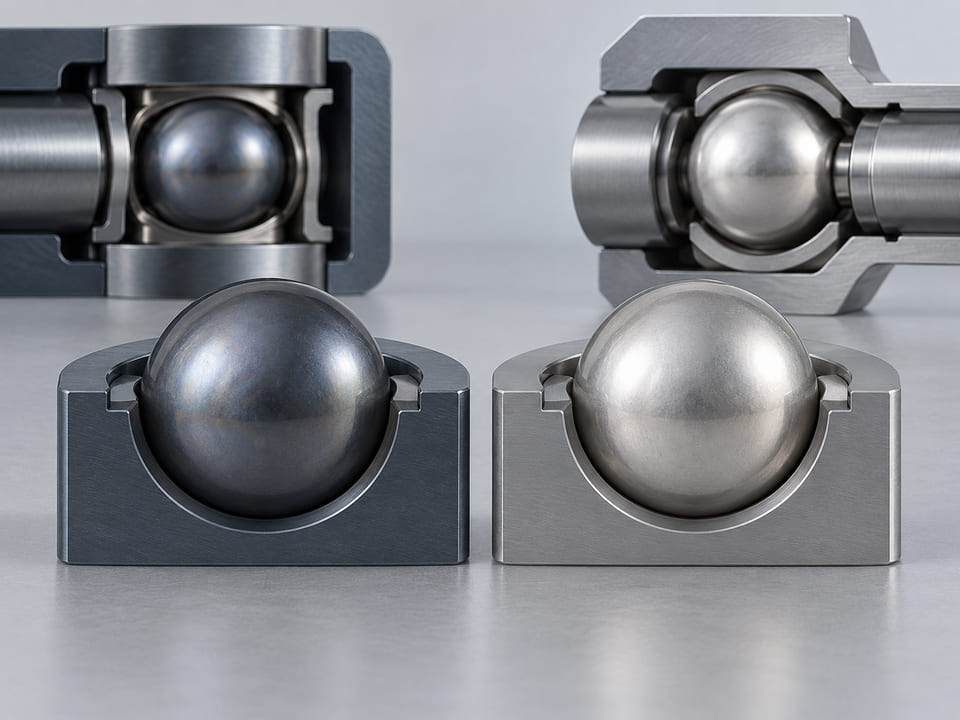
Tantalum Balls specifications
Define the component using the requirements below. Include your target values and acceptance method; the quotation records the agreed material, geometry, inspection and supply scope.
| Requirement | What to specify | Why it matters |
|---|---|---|
| Tantalum identity | State grade, purity basis and individual impurity requirements. | Makes high-purity acceptance measurable and traceable. |
| Material condition | Define condition, geometry and any mechanical-contact criteria. | Separates material family from finished-sphere performance. |
| Surface and contamination | Specify residue, cleaning evidence, handling and packing needs. | Supports the actual clean-process or laboratory function. |
| Service chemistry | Provide medium, temperature, exposure cycle and other contact materials. | Avoids an unrestricted chemical-resistance claim. |
Drawing and dimensional acceptance
Provide the drawing revision and nominal dimensions with units. Identify critical form, surface and fit requirements individually; a material designation alone does not define a finished component. Where an existing sample is the reference, describe wear and confirm the intended acceptance limits.
Order and inspection scope
Separate sample quantities from production demand. State the required inspection documents, lot identification, cleanliness and packaging. Any proposed substitute or change to the component specification should be reviewed before approval, with the quotation confirming the agreed scope.
Numeric performance values, when needed, must identify their material, conditions and evidence. Typical raw-material data should not be treated as guaranteed finished-component performance.
Tantalum Balls applications
Start with the actual mechanism and exposure conditions. Each use below identifies the information needed for a useful technical review.
Chemical-contact development
A tantalum sphere can be evaluated where a specific medium assessment supports this material. The ball and surrounding wetted components must be reviewed together. Include the seat or retaining interface and cleaning chemicals, because compatibility with a named process alone is an incomplete exposure description.
Clean-process and vacuum components
Purity, surface residue and handling can become the main acceptance requirements. Identify the function that the sphere serves in the equipment and the contamination limits. Qualification belongs to the actual cleaned and packed component, not a generic claim about tantalum's use in industry.
Laboratory and dense-metal components
A sphere may be assessed for a defined material, mass or experimental requirement. State the intended conditions and the measurement basis. Tantalum's refractory classification does not provide a universal temperature limit or establish that an unsupported sphere suits every high-temperature atmosphere.
Compare Tantalum Balls alternatives
Compare the requirement that drives the decision. A matching nominal diameter or similar appearance does not establish material or functional equivalence.
| Alternative | When to review it | Tradeoff to assess |
|---|---|---|
| Niobium | Compare a specified niobium material when the application's chemical, mass or experimental requirements can be satisfied by another refractory metal. | Purity, density, electronic and environmental behavior differ; a similar metallic appearance does not establish a valid substitution. |
| Titanium | Review a defined titanium grade when lower mass and its particular medium compatibility serve the component better than a dense tantalum sphere. | Contact wear, grade, joining and qualification requirements change; keep the complete application and document scope in the comparison. |
| Specified nickel alloy | Consider a defined nickel-based grade when a chemical or mechanical requirement directs selection toward another project-reviewed alloy system. | Nickel alloys cover multiple chemistries and conditions; exact grade and exposure review are essential before comparing suitability or cost. |
These links open the corresponding product pages in this collection. Final selection depends on your complete specification and the agreed validation.
Tantalum Balls FAQs
Does high purity guarantee chemical compatibility?
No. Purity is one material requirement. Compatibility still depends on the actual chemical, concentration, temperature, exposure and contact arrangement. Provide those conditions and the required evidence rather than treating a purity percentage as a universal corrosion approval.
Can tantalum balls be used in medical equipment?
Only under the equipment program's grade, processing, surface and regulatory requirements. General material biocompatibility information does not approve an unqualified sphere or finished device. Identify the exact role and validation scope during the project review.
Is tantalum the same as tungsten alloy?
No. They are distinct materials with different chemistry, density, processing and corrosion behavior. A compact-mass objective alone is insufficient for substitution. Include any chemical, electrical or purity function so the correct material can be assessed.
Does refractory mean unlimited high-temperature use?
No. Atmosphere, material condition, load and surface interactions determine suitability. A melting-point reference is not an allowable service temperature for a component. Describe the full thermal cycle and environment, including any vacuum or reactive-gas conditions.
What evidence supports clean-process use?
Define the required material analysis, traceability, surface residue, cleaning, handling and packing acceptance. The documents and methods should correspond to the actual supplied part. A polished CGI or general material certificate cannot establish all contamination requirements.
What should I send for a tantalum-ball enquiry?
Provide purity or grade, impurity limits, drawing, quantity, function and service conditions. Include surface and cleanliness criteria, material-document scope and sample acceptance. Describe why tantalum is needed so alternative materials are evaluated against the same objective.
Request a quotation
Turn the Tantalum Balls requirements into a clear enquiry for MEITUO Balls.
- Define the material and geometry.
- Describe the application and acceptance.
- Separate sample and production demand.
The quotation confirms feasibility, supply scope, inspection documents and commercial terms. Generated illustrations are not evidence of available stock or completed validation.
Continue your material review
Engineering references and illustration notes
- Global Advanced Metals: tantalum metallurgical products
- Global Advanced Metals: material property references
Material-family references support screening. The exact grade, finished geometry and application acceptance govern an actual enquiry.
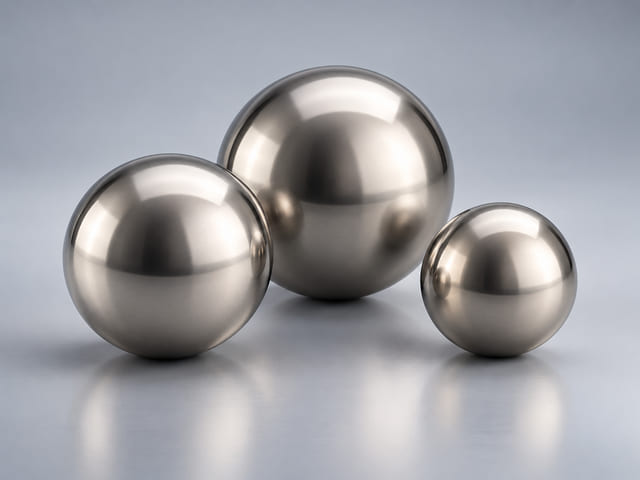
CGI illustrations explain product, application or structure concepts. They are not photographs, measured micrographs, assembly drawings or inspection results.