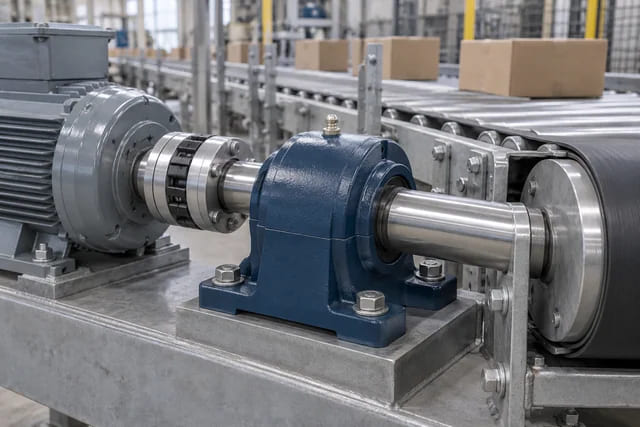
Motion & handling
Bearing & Rolling-Element Balls
Rolling contact, geometry and material condition for bearing assemblies.
Seven families, connected to the application.
Explore all products →Share the drawing, contact conditions and acceptance criteria for your component.
Material selection guide →Explore the contact, medium and mechanism.
All applications →Share the drawing, contact conditions and acceptance criteria for your component.
Material selection guide →From an open material question to an agreed component requirement.
Explore services →Share the drawing, contact conditions and acceptance criteria for your component.
Material selection guide →Industry and sourcing guides for twelve target markets.
Explore all markets →Share the drawing, contact conditions and acceptance criteria for your component.
Material selection guide →Match the component programme, purchasing role and project responsibilities.
Explore partnerships →Share the drawing, contact conditions and acceptance criteria for your component.
Material selection guide →Corporate background, practical purchasing information and direct contact.
Explore company →Share the drawing, contact conditions and acceptance criteria for your component.
Material selection guide →Industrial balls serve different roles: rolling, sealing, applying, mixing, refining and positioning. Choose the function first, then compare materials and define the working conditions. Explore the applications below to connect your component with the right specification, validation questions and enquiry.
A ball that rolls in a race, seals against a seat or moves freely in a container needs a different specification. Use this application library to identify the role, compare candidate materials and prepare the information needed for a focused enquiry.
Rolling contact, geometry and material condition for bearing assemblies.
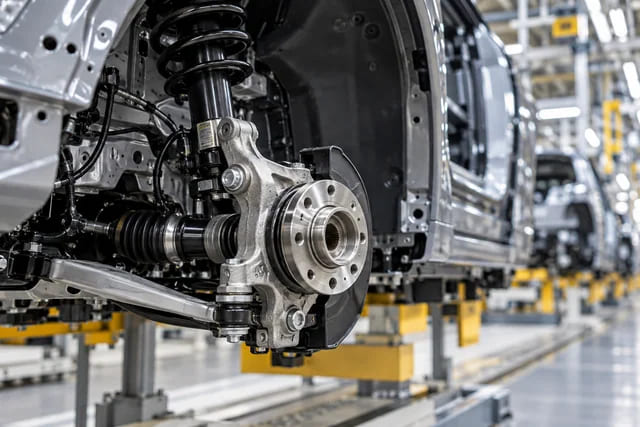
Component-specific requirements, qualification records and controlled revisions.
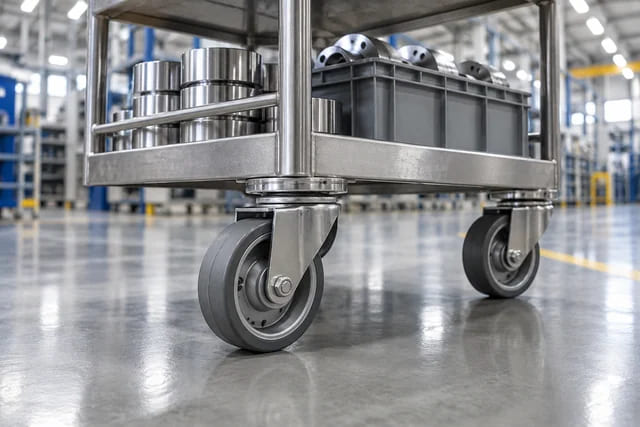
Swivel action, raceway wear and exposure in mobile equipment.
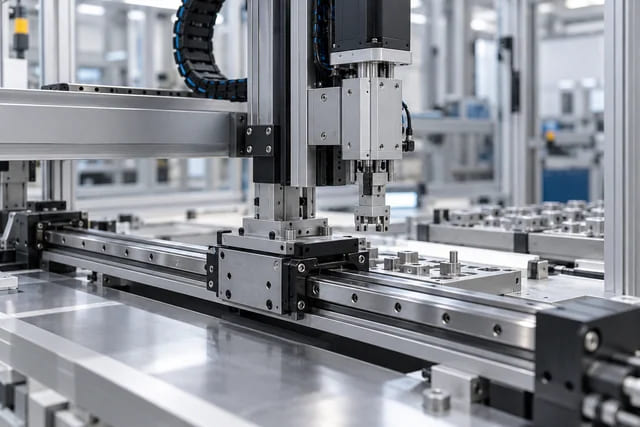
Ball recirculation, clearance and surface acceptance for guided motion.
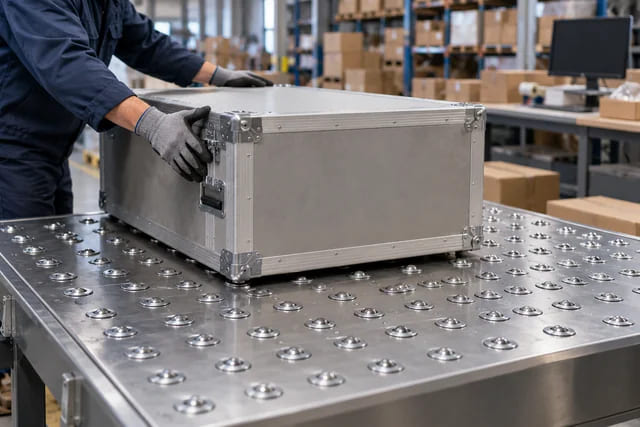
Main load balls, supporting balls and the surface being handled.
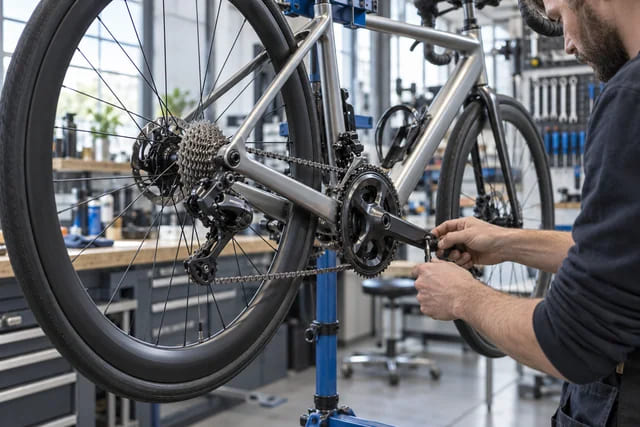
Cup-and-cone fit, retainers and outdoor exposure in light-motion assemblies.
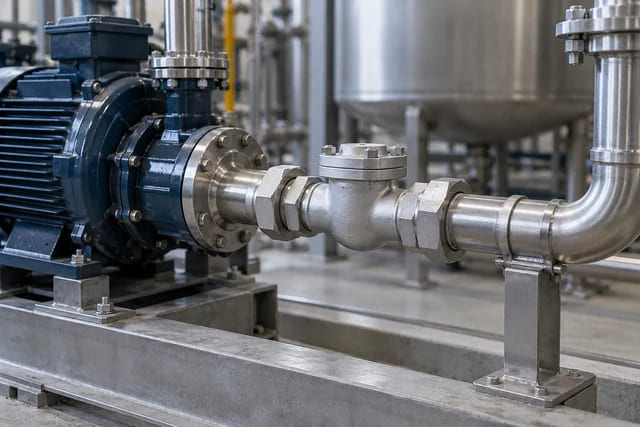
Ball-and-seat contact, closing behavior and compatibility with the working fluid.
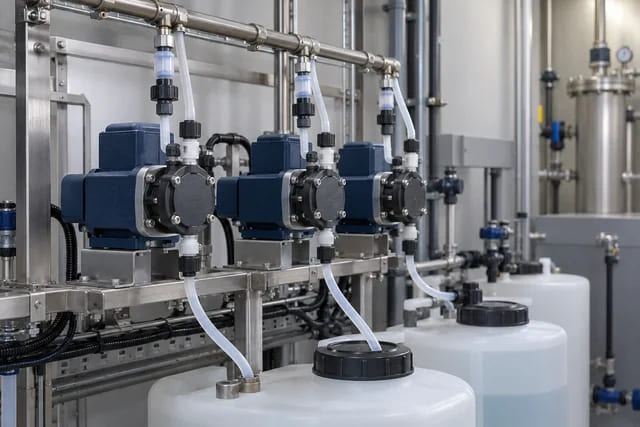
Inlet and discharge behavior, repeatability and the full dosing cycle.
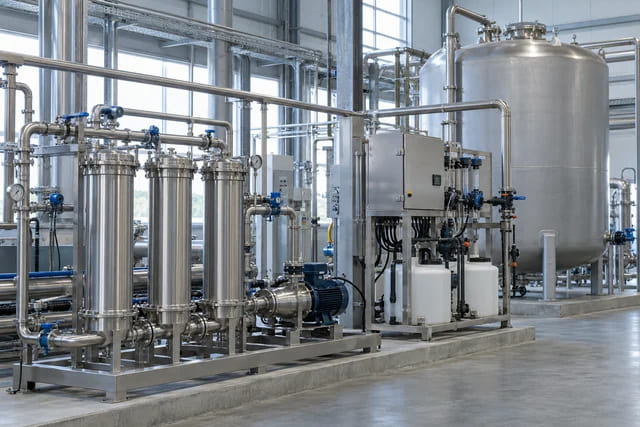
Media compatibility, cleaning cycles and wetted-component requirements.

Applicator feel, fit, formulation contact and packaging validation.

Miniature pump sealing, priming and formulation compatibility.
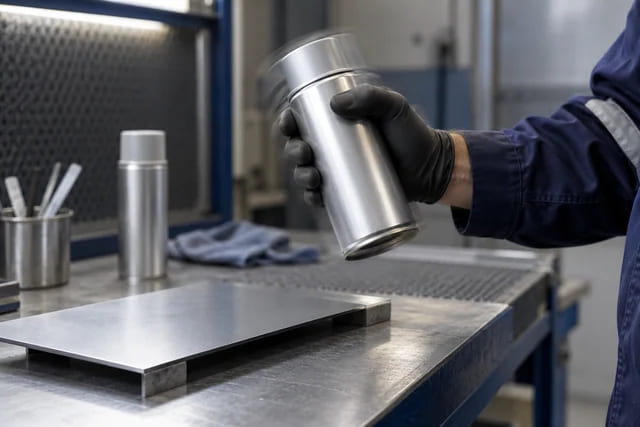
Agitation media, formulation contact and container interaction.
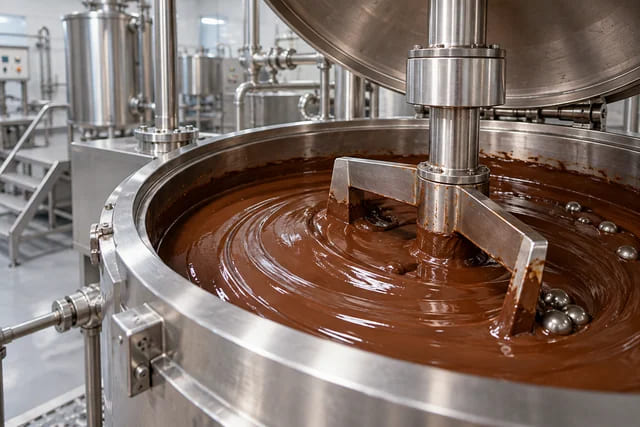
Process-media selection, product-contact conditions and cleaning requirements.
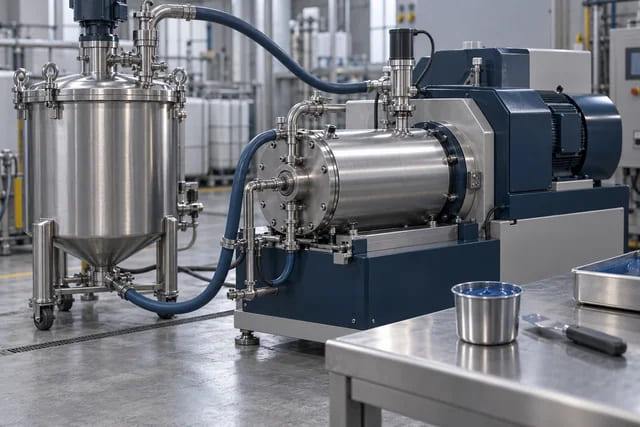
Media material, mill compatibility, wear and contamination control.
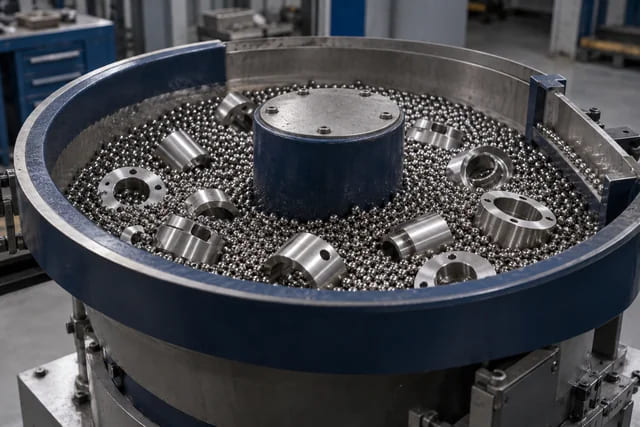
Surface objectives, workpiece contact and media separation.
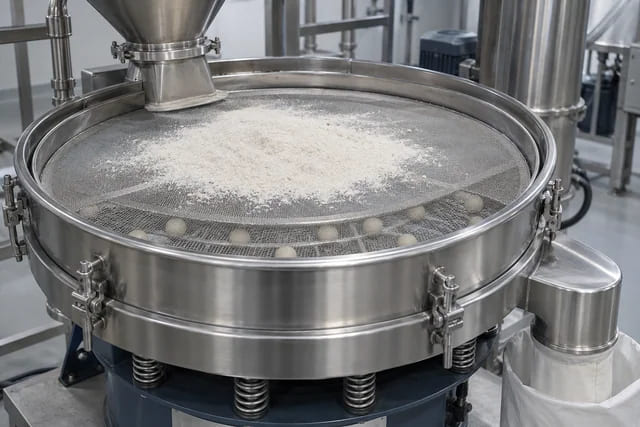
Under-mesh contact, rebound, compound compatibility and wear.

Surface recognition, support contact and complete-module validation.
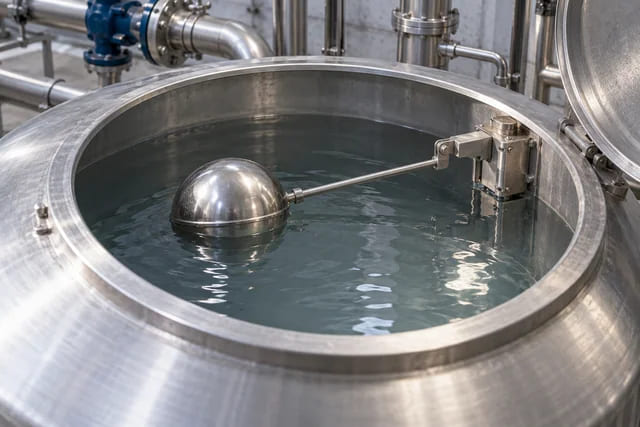
Hollow construction, mass, sealing and the liquid being monitored.
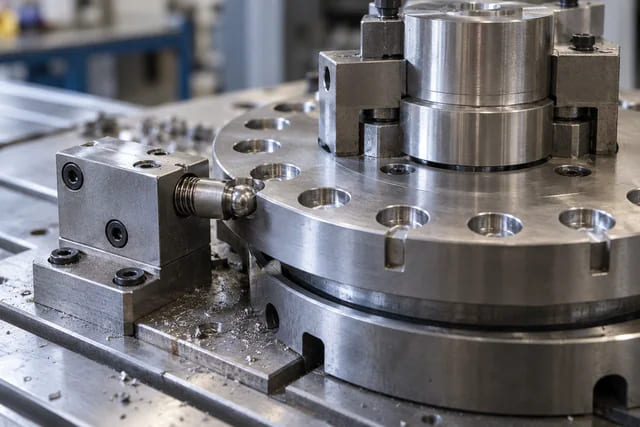
Spring contact, recess geometry, wear and repeatable mechanical feel.
Try a broader term, choose another material family or reset the filters.
Keep the material identity, geometry and application acceptance together.
Define inspection and records ↗Distinguish material evidence, dimensional acceptance and functional validation.
Review the supply scope ↗Bring the source, processing, sample basis and order conditions into the discussion.
Bearing balls, linear-guide balls and detent balls all contact another surface, but the geometry, motion and acceptance requirements differ.
Compare check-valve balls with packaging mixing balls and float balls. The component’s role should lead the material discussion.
Describe the component function, working medium or contact, material constraints, diameter and quantity. A drawing and acceptance requirement help establish a useful review.
They are candidates for a defined application review. Exact grade, geometry, working conditions, supply and validation still need to be agreed.
Application pages explain the operating problem. Material references and product pages define the candidate component, while quality and enquiry pages connect the requirements with acceptance and supply.
Describe what the ball needs to do, where it works and what must be accepted. Add a drawing, quantity and document requirements when available.