Motion & handling
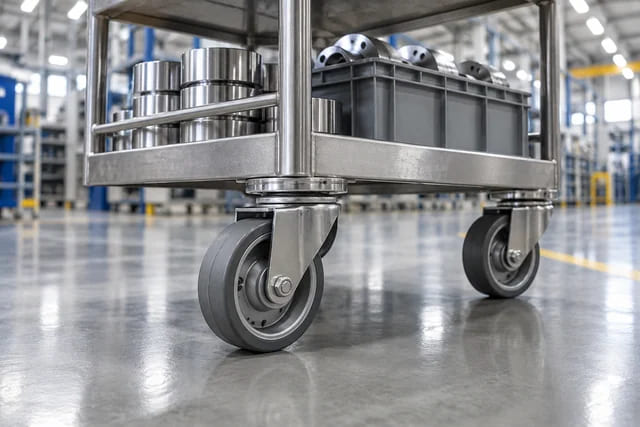
Caster Swivel & Wheel Balls
Swivel action, raceway wear and exposure in mobile equipment.
Seven families, connected to the application.
Explore all products →Share the drawing, contact conditions and acceptance criteria for your component.
Material selection guide →Explore the contact, medium and mechanism.
All applications →Share the drawing, contact conditions and acceptance criteria for your component.
Material selection guide →From an open material question to an agreed component requirement.
Explore services →Share the drawing, contact conditions and acceptance criteria for your component.
Material selection guide →Industry and sourcing guides for twelve target markets.
Explore all markets →Share the drawing, contact conditions and acceptance criteria for your component.
Material selection guide →Match the component programme, purchasing role and project responsibilities.
Explore partnerships →Share the drawing, contact conditions and acceptance criteria for your component.
Material selection guide →Corporate background, practical purchasing information and direct contact.
Explore company →Share the drawing, contact conditions and acceptance criteria for your component.
Material selection guide →A ball transfer unit uses a protruding load ball supported within a housing, often by smaller balls, to permit multidirectional movement. Specify the large load ball and support elements separately. Material choice must consider the handled surface, contact load, contamination and the complete unit’s design.
The exposed ball contacts the article being moved; supporting elements and the housing carry that contact into the mounting structure. A request for transfer balls should identify which component is needed, because the dimensions and acceptance requirements differ.
Consider the underside of the handled article as well as the transfer table. A hard metal ball, a softer polymer contact and a contaminated ball surface can interact differently with glass, sheet metal or packaging. Define marking and movement acceptance for the actual workpiece.
Use these inputs to move from an application name to a useful component and supply enquiry.
| Selection input | Describe your conditions | Why it belongs in the enquiry |
|---|---|---|
| Component identity | Main load ball, supporting balls or a complete unit. | Give separate item specifications rather than one generic diameter. |
| Handled surface | Workpiece material, underside condition and marking limits. | Test with the real article and its representative contact geometry. |
| Environment and layout | Contamination, orientation and support arrangement. | The unit layout and assembly govern load distribution. |
Choose the ball material with the handled surface and complete unit. A polymer ball is not automatically non-marking under every load, and a stainless ball does not make a contaminated transfer table clean. Trial conditions should include likely debris and cleaning practice.
Clarify whether only balls or complete transfer units are being quoted. Load ratings, mounting dimensions and orientation limits belong to the complete unit; they must not be inferred from a loose-ball material description.
| Material or product candidate | Why review it here? | What must be confirmed? |
|---|---|---|
| AISI 52100 Chrome Steel Balls | Review for hardened metal load or supporting elements where specified. | Confirm geometry and protection against the environment. |
| 316 / 316L Stainless Steel Balls | A stainless material option for selected exposed-ball duties. | Review contact demand; corrosion resistance is not a load rating. |
| Nylon / PA Balls | A polymer option to discuss when the contacted surface drives selection. | Check deformation, wear and dimensional behavior in the unit. |
These are application-review candidates. The exact grade, finished specification, supply scope and documents are confirmed in the quotation.
Use representative articles to evaluate movement, surface marking and ball condition. Include the support pattern and any expected orientation change in the trial, then document the accepted component and unit configuration.
Avoid this assumption. The number of balls alone does not establish a transfer table’s capacity.
Usually they perform different contact roles. Identify each item, its size and acceptance requirements.
The complete unit design, material, orientation and mounting conditions determine its rating; ball diameter alone is insufficient.
The handled surface may favor a different contact material, subject to load, wear and dimensional validation.
Use a related function to compare requirements without assuming the same ball specification applies.
Swivel action, raceway wear and exposure in mobile equipment.
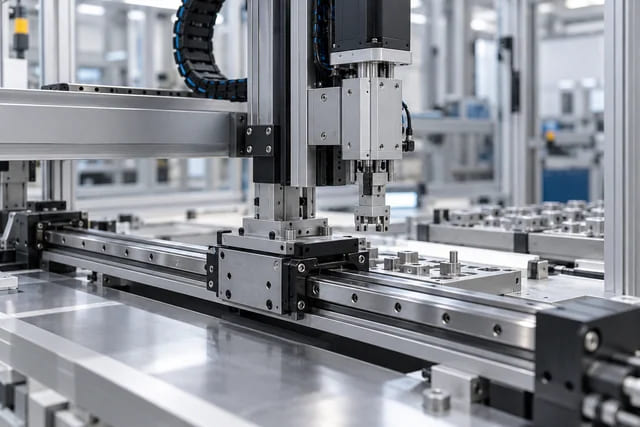
Ball recirculation, clearance and surface acceptance for guided motion.
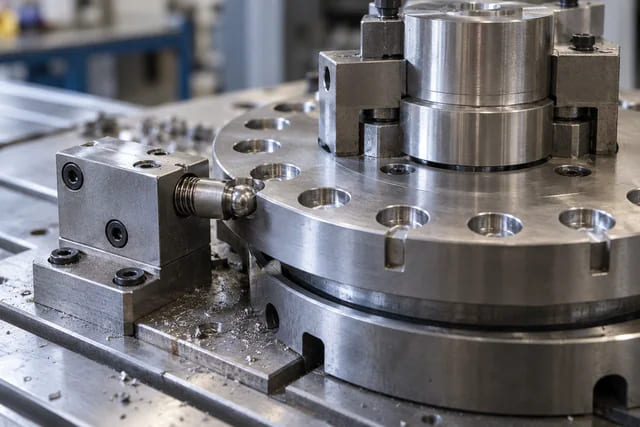
Spring contact, recess geometry, wear and repeatable mechanical feel.
Bring the material, size, operating conditions and quantity. Include the drawing and validation topics that matter to this project.
ALWAYSE ball-transfer product and material overview
References describe industry practice and material-selection context. They do not establish MEITUO stock, equipment ownership, qualification or performance.