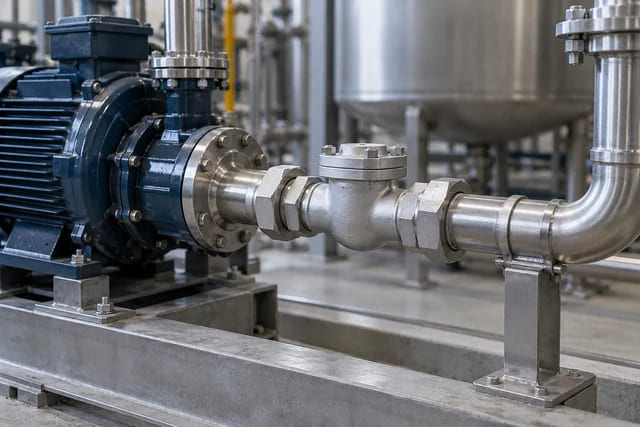
Fluid control
Balls for Check Valves & Fluid Control
Ball-and-seat contact, closing behavior and compatibility with the working fluid.
Seven families, connected to the application.
Explore all products →Share the drawing, contact conditions and acceptance criteria for your component.
Material selection guide →Explore the contact, medium and mechanism.
All applications →Share the drawing, contact conditions and acceptance criteria for your component.
Material selection guide →From an open material question to an agreed component requirement.
Explore services →Share the drawing, contact conditions and acceptance criteria for your component.
Material selection guide →Industry and sourcing guides for twelve target markets.
Explore all markets →Share the drawing, contact conditions and acceptance criteria for your component.
Material selection guide →Match the component programme, purchasing role and project responsibilities.
Explore partnerships →Share the drawing, contact conditions and acceptance criteria for your component.
Material selection guide →Corporate background, practical purchasing information and direct contact.
Explore company →Share the drawing, contact conditions and acceptance criteria for your component.
Material selection guide →Metering-pump check balls participate in the inlet and discharge cycle, so material and seat compatibility must be reviewed with the pump’s operating range. Specify the pump arrangement, fluid, concentration, temperature and expected dosing behavior. Ceramic, fluoropolymer and stainless configurations exist in industry, but they are not interchangeable without validation.
A ball may seal acceptably at rest yet behave differently during repeated suction and discharge. Describe the intended dosing duty, any low-flow operating point, start-stop periods and the installation orientation. These inputs help the pump designer define a meaningful sample test.
Identify inlet and discharge items separately if they differ. Include seat material, cartridge or retention details and the approved ball dimensions. For a service enquiry, provide the equipment reference while retaining the actual component specification.
Use these inputs to move from an application name to a useful component and supply enquiry.
| Selection input | Describe your conditions | Why it belongs in the enquiry |
|---|---|---|
| Dosing medium | Chemical identity, concentration, viscosity context and any suspended solids. | Include crystallization or deposits observed during idle periods. |
| Cycle and installation | Operating range, cycling, starts and mounting orientation. | State the conditions used to assess dosing repeatability. |
| Valve arrangement | Inlet/discharge identification, seat and retainer details. | Keep each component linked to its drawing and acceptance limits. |
The pump manufacturer’s material configuration illustrates why the complete wetted system matters. Balls, seats, seals, head and tubing can have different material requirements. Do not approve a pump configuration by checking the ball alone.
If deposits or intermittent operation are part of the application, include the restart condition in the validation plan. A clean-water trial at one operating point may not represent the process liquid or the actual dosing cycle.
| Material or product candidate | Why review it here? | What must be confirmed? |
|---|---|---|
| Alumina Balls | A ceramic option present in dosing-pump material configurations. | Confirm grade, contact and behavior in the selected pump arrangement. |
| PTFE Balls | A candidate when chemical exposure favors a fluoropolymer. | Assess both compatibility and the dynamic check function. |
| 316 / 316L Stainless Steel Balls | A metallic candidate in suitable fluid and seat combinations. | Confirm corrosion exposure, contact condition and component identity. |
These are application-review candidates. The exact grade, finished specification, supply scope and documents are confirmed in the quotation.
Agree the dosing acceptance conditions with the equipment owner. Evaluate repeatability, priming or restart behavior and check-valve condition using the controlled pump configuration, then retain the approved item revision.
Avoid this assumption. A static leakage test is not a complete dosing-performance assessment.
They may have different drawings or operating requirements. The order should identify each part rather than assuming a shared specification.
No. The selected material must also work with the seat, guidance and pump cycle.
Provide the operating conditions, fluid, installation, component revision and observed behavior rather than only requesting a harder ball.
Use a related function to compare requirements without assuming the same ball specification applies.
Ball-and-seat contact, closing behavior and compatibility with the working fluid.
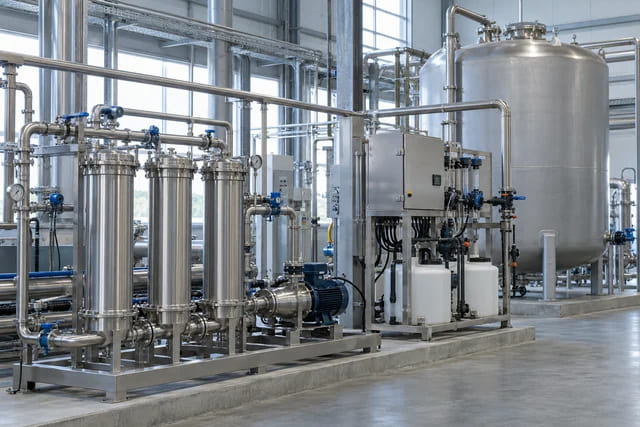
Media compatibility, cleaning cycles and wetted-component requirements.
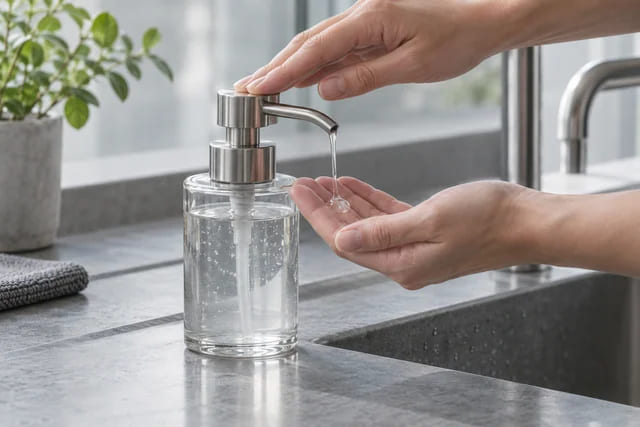
Miniature pump sealing, priming and formulation compatibility.
Bring the material, size, operating conditions and quantity. Include the drawing and validation topics that matter to this project.
Verder Microdos ME1-CA material configurations
References describe industry practice and material-selection context. They do not establish MEITUO stock, equipment ownership, qualification or performance.