Niobium Balls
Niobium balls are refractory-metal spheres considered for research and specialist components requiring a defined niobium material. Purity, metallurgical condition, geometry, surface and contamination limits must be specified for the actual function. Niobium's superconducting behavior belongs to a controlled cryogenic system; a sphere shape alone does not establish that performance. Confirm the complete environment and qualification evidence before treating a material reference as a finished-component requirement.
- Material / construction
- Specified niobium purity or grade and metallurgical condition
- Specification basis
- Drawing, diameter & acceptance
- Order basis
- Sample & production quantities
Niobium Balls: selection overview
Niobium is a ductile refractory metal with a passive surface and uses across specialist material programs. Those broad associations do not mean that an ordinary sphere is automatically a superconducting, accelerator or medical component. Purity, interstitial content, processing and surface requirements may be more important than a visually polished finish. A mechanical contact also needs its own load and geometry review. The right starting point is a concrete function and an agreed evidence plan: define what must be controlled, how it will be verified and which material or component program governs acceptance.
Specify the function before the purity label
Explain whether the sphere is an experimental specimen, a mechanical contact, a process component or another defined item. Then identify the material grade, impurity controls and condition required by that role. A broad high-purity claim cannot establish the specialist properties of the finished part. If a cryogenic program is involved, the equipment designer should define the material and performance evidence. Do not infer suitability from the word niobium or its general use in superconducting technology.
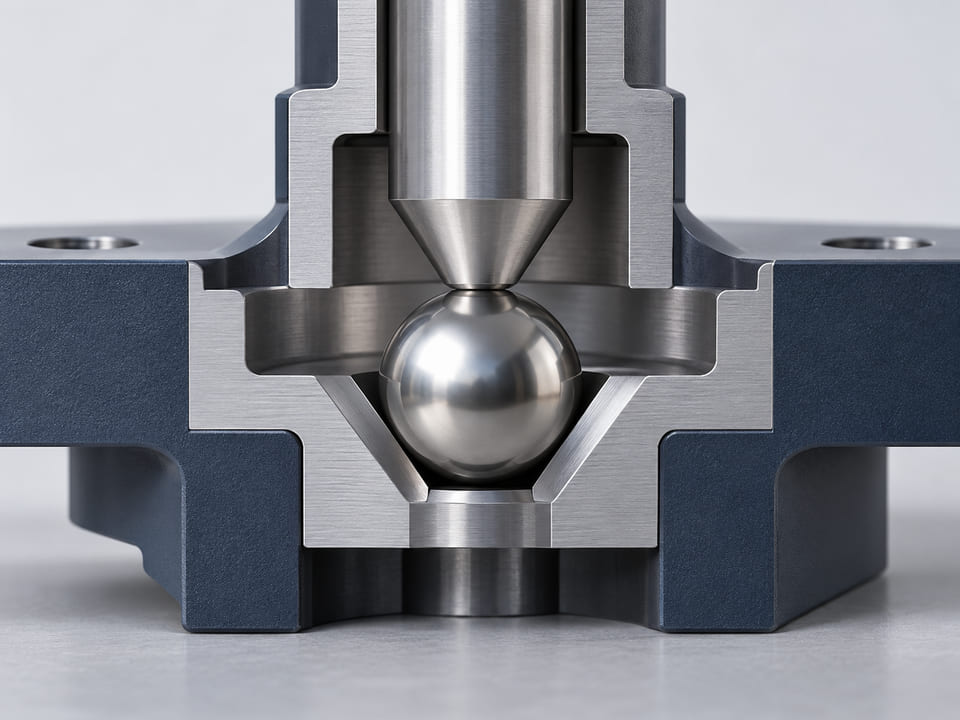
Surface, cleanliness and thermal history
For a sensitive project, describe the allowed surface condition, contamination limits, handling and packaging. Identify any thermal exposure or downstream processing that can alter the required state. A polished surface may still carry residues or damage relevant to the equipment. State the test basis for geometry and surface quality at the conditions the project needs. Keep a standard room-temperature dimensional check distinct from any additional thermal or functional evaluation of the complete assembly.
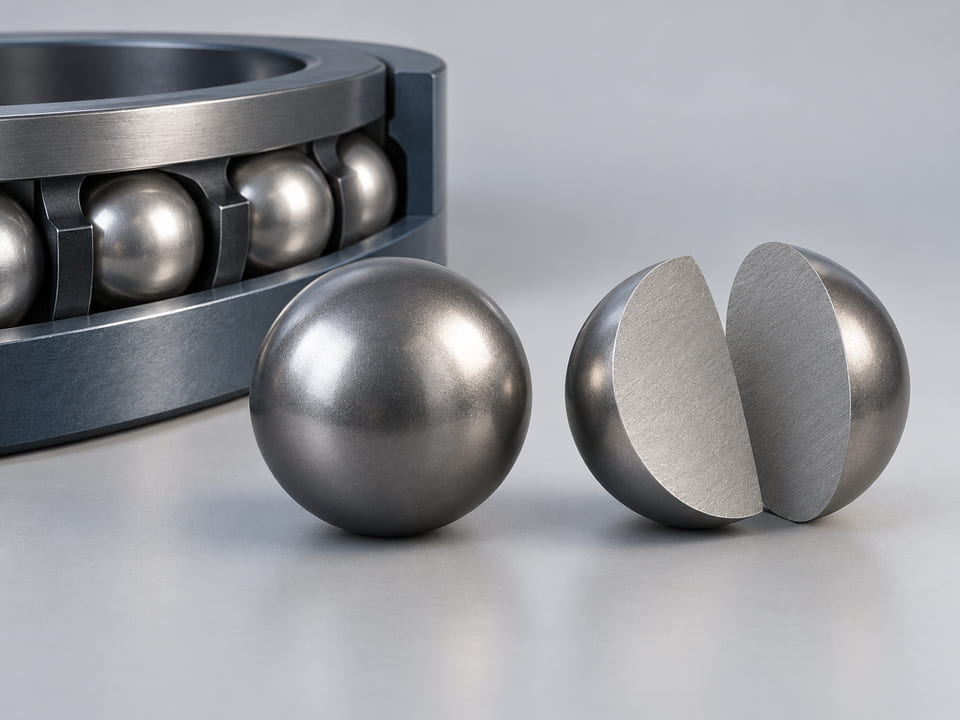
Niobium Balls specifications
Define the component using the requirements below. Include your target values and acceptance method; the quotation records the agreed material, geometry, inspection and supply scope.
| Requirement | What to specify | Why it matters |
|---|---|---|
| Niobium specification | State grade, purity basis and individual impurity controls. | Supports a defined scientific or material-sensitive function. |
| Metallurgical state | Identify required condition and relevant process-history evidence. | Avoids assuming specialist properties from chemistry alone. |
| Geometry and surface | Provide diameter, form, finish and contamination acceptance. | Connects specimen identity with usable component quality. |
| System environment | Describe thermal, atmosphere, field and contact conditions as applicable. | Keeps system qualification distinct from a loose-sphere material reference. |
Drawing and dimensional acceptance
Provide the drawing revision and nominal dimensions with units. Identify critical form, surface and fit requirements individually; a material designation alone does not define a finished component. Where an existing sample is the reference, describe wear and confirm the intended acceptance limits.
Order and inspection scope
Separate sample quantities from production demand. State the required inspection documents, lot identification, cleanliness and packaging. Any proposed substitute or change to the component specification should be reviewed before approval, with the quotation confirming the agreed scope.
Numeric performance values, when needed, must identify their material, conditions and evidence. Typical raw-material data should not be treated as guaranteed finished-component performance.
Niobium Balls applications
Start with the actual mechanism and exposure conditions. Each use below identifies the information needed for a useful technical review.
Material research specimens
A niobium sphere can be evaluated as a defined specimen when geometry, chemistry and condition are part of the experimental design. Document those inputs so results remain interpretable. An apparent match in diameter should not hide differences in material purity, state or surface preparation.
Specialist vacuum and process contacts
For a niobium component in a controlled environment, identify the actual contact role and contamination limits. Surface preparation, handling and material compatibility need coordinated review. A general refractory-metal description does not qualify every vacuum or hot-process application.
Cryogenic program development
Niobium may be relevant to a specialist low-temperature program, but that program must define the required material and system evidence. The sphere itself has no universal superconducting rating. Discuss the full operating environment and qualification plan with the component designer.
Compare Niobium Balls alternatives
Compare the requirement that drives the decision. A matching nominal diameter or similar appearance does not establish material or functional equivalence.
| Alternative | When to review it | Tradeoff to assess |
|---|---|---|
| Tantalum | Compare another specified refractory metal when the chemical, purity or dense-metal requirement can be assessed independently of a niobium-specific function. | The metals have different mass, electronic and compatibility behavior; maintain exact material and environmental acceptance during substitution review. |
| Titanium | Review a defined titanium grade when the component needs a different mass and mechanical balance without a niobium-specific material requirement. | Titanium grade and contact behavior require their own evaluation; a common non-ferrous classification does not establish experimental or chemical equivalence. |
| Silicon nitride ceramic | Consider a ceramic candidate where electrical insulation or a different hard-contact design is the real objective rather than niobium identity. | A ceramic changes conductivity, stiffness, fracture and joining considerations; the complete function must guide the comparison. |
These links open the corresponding product pages in this collection. Final selection depends on your complete specification and the agreed validation.
Niobium Balls FAQs
Are all niobium balls superconducting components?
No. Niobium has superconducting behavior under appropriate cryogenic conditions, but a qualified component needs defined material and system requirements. Geometry alone cannot establish performance. The equipment program must specify operating conditions, purity and validation evidence.
Can high purity be specified without impurity limits?
A nominal purity can be a starting point, but sensitive applications may need individual limits and an analytical basis. Identify the material standard, relevant impurities and whether evidence must apply to raw material, finished part or both.
Can niobium replace tantalum?
Only when the actual function permits it and the material change is approved. Their mass, chemical and electronic behavior differ. Specify why the original metal was selected and compare candidates against the same operating and evidence requirements.
Is a polished niobium sphere clean enough for vacuum?
Not automatically. Polish describes a surface finish, not a complete cleanliness specification. Define residue, handling, packing and any required preparation or test. Qualification should correspond to the actual component and equipment environment.
Does a refractory classification establish a temperature rating?
No. The usable environment depends on atmosphere, material condition, contact and thermal history. A melting-point reference cannot be used as an unrestricted operating-temperature claim. Provide the actual thermal cycle and the evidence needed for the project.
What information is needed for a research enquiry?
Provide the experiment or equipment role, grade and impurity requirements, condition, geometry and surface criteria. Add quantity, atmosphere, temperature and qualification needs. An explicit specimen acceptance record helps keep material variation separate from experimental results.
Request a quotation
Turn the Niobium Balls requirements into a clear enquiry for MEITUO Balls.
- Define the material and geometry.
- Describe the application and acceptance.
- Separate sample and production demand.
The quotation confirms feasibility, supply scope, inspection documents and commercial terms. Generated illustrations are not evidence of available stock or completed validation.
Continue your material review

Engineering references and illustration notes
- Global Advanced Metals: niobium metallurgical products
- Global Advanced Metals: material property references
Material-family references support screening. The exact grade, finished geometry and application acceptance govern an actual enquiry.
CGI illustrations explain product, application or structure concepts. They are not photographs, measured micrographs, assembly drawings or inspection results.