Tungsten Carbide Balls
Tungsten carbide balls are commonly cemented-carbide spheres that combine hard carbide grains with a specified binder system. They are considered for wear-sensitive seats, metering contacts and precision components. Define the carbide grade, binder chemistry and amount, geometry, surface condition and service medium. High hardness alone cannot establish toughness, corrosion compatibility or sealing performance, so the complete contact and inspection requirements must guide selection.
- Material / construction
- Specified cemented tungsten carbide grade and binder system
- Specification basis
- Drawing, diameter & acceptance
- Order basis
- Sample & production quantities
Tungsten Carbide Balls: selection overview
A tungsten carbide ball is not automatically pure tungsten, nor is every carbide grade equivalent. Binder chemistry, binder fraction and carbide structure affect the material balance. A cobalt-bonded and another binder system can respond differently in the same medium, making grade identity central to corrosion review. Hardness is useful for evaluating wear, but contact impact, chipping risk and the mating surface remain relevant. This is particularly important where a sphere closes against a seat. Define the finished material, geometry and surface rather than accepting an unrestricted ultra-hard description as a complete specification.
Specify the carbide and its binder
Provide the carbide designation and any required binder chemistry or composition restrictions. If the application involves a chemical medium, assess the complete cemented material instead of the carbide grain alone. A nominally similar sphere with another binder may not meet the same compatibility requirement. Material traceability and relevant test evidence should be agreed for the actual grade. Do not transfer values from a cutting-tool insert or a different carbide formulation to the proposed sphere.
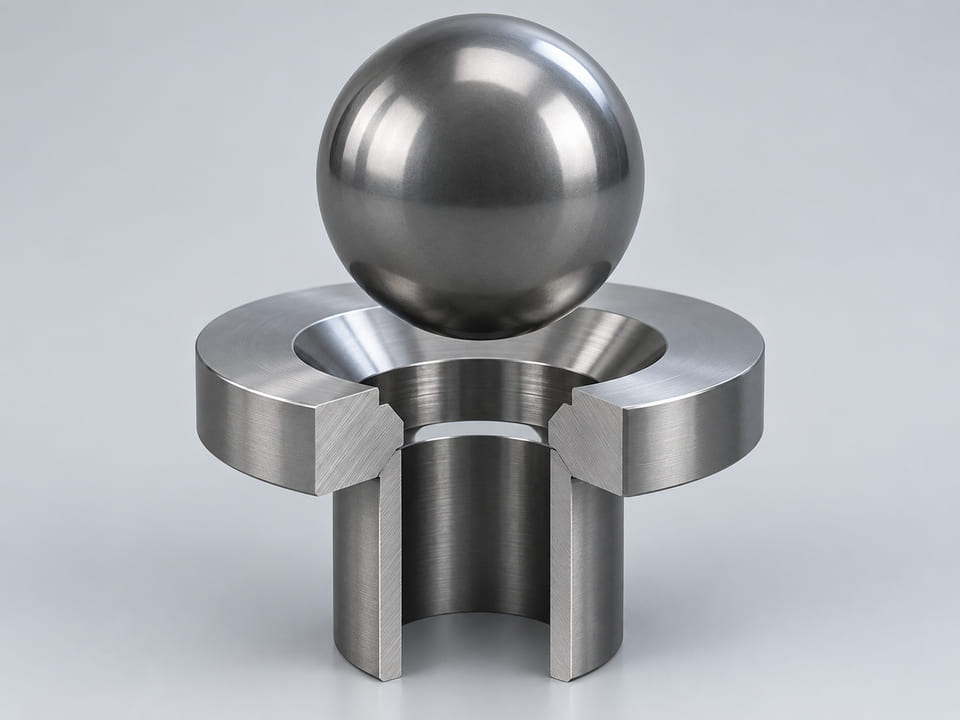
Review the hard ball and the mating contact
Identify the seat or race material, contact force, cycling and possible impact. A very hard sphere can mark a softer counterface or chip under an unsuitable contact arrangement. For sealing, define the required ball form, surface-defect limits and assembled leakage acceptance. Keep the geometrical report separate from the functional test: an accurately measured sphere still needs a seat and operating conditions that support the intended closure and service life.
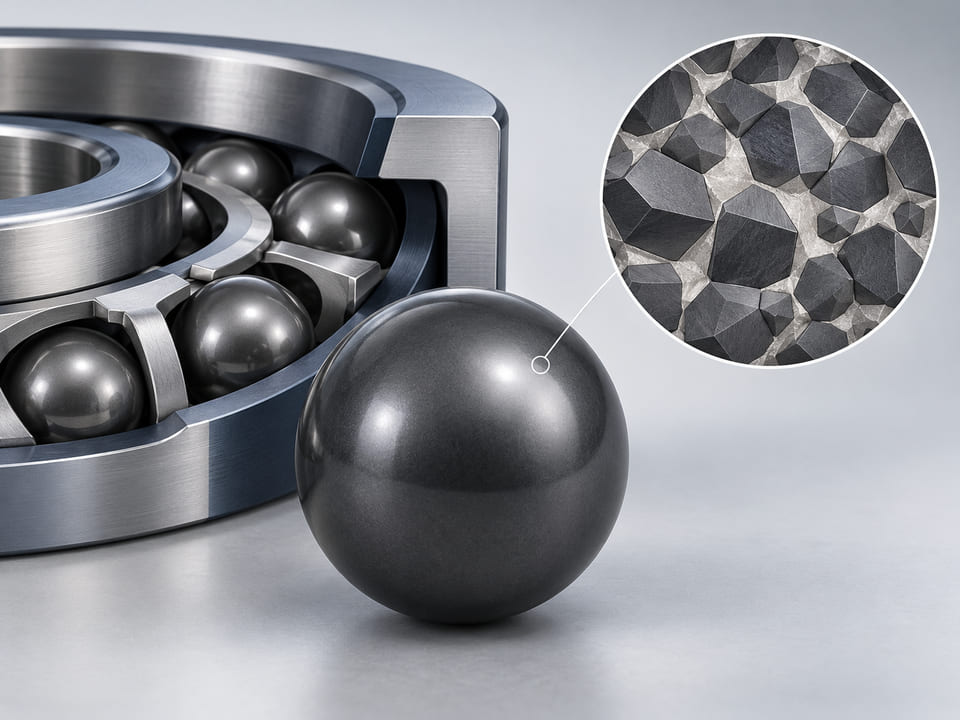
Tungsten Carbide Balls specifications
Define the component using the requirements below. Include your target values and acceptance method; the quotation records the agreed material, geometry, inspection and supply scope.
| Requirement | What to specify | Why it matters |
|---|---|---|
| Carbide grade | Identify the cemented-carbide formulation and required material reference. | Prevents an unspecified hard-material substitution. |
| Binder system | Define binder chemistry, fraction or restrictions where relevant. | Connects compatibility and material evidence to the complete composite. |
| Contact quality | State diameter, form, surface defects and mating-seat requirements. | Aligns dimensional and surface acceptance with wear or sealing duty. |
| Impact and medium | Describe contact force, particles, shock and fluid exposure. | Supports a balanced review of wear, chipping and corrosion. |
Drawing and dimensional acceptance
Provide the drawing revision and nominal dimensions with units. Identify critical form, surface and fit requirements individually; a material designation alone does not define a finished component. Where an existing sample is the reference, describe wear and confirm the intended acceptance limits.
Order and inspection scope
Separate sample quantities from production demand. State the required inspection documents, lot identification, cleanliness and packaging. Any proposed substitute or change to the component specification should be reviewed before approval, with the quotation confirming the agreed scope.
Numeric performance values, when needed, must identify their material, conditions and evidence. Typical raw-material data should not be treated as guaranteed finished-component performance.
Tungsten Carbide Balls applications
Start with the actual mechanism and exposure conditions. Each use below identifies the information needed for a useful technical review.
Metering and check-valve contacts
A carbide sphere can be evaluated where repeated seating or abrasive exposure motivates a wear-resistant contact. Particles can still prevent closure or damage the pair. The medium must be checked against the selected binder as well as the main carbide phase.
Precision wear contacts
For an indexing or locating interface, carbide offers a hard-material candidate when contact stability matters. Review the counterface and the possibility of edge or impact loading. Surface form and retention need to support the actual load path rather than concentrate it unintentionally.
Specialist measurement components
A hard, polished sphere may be evaluated as part of an instrument contact. That does not make it a certified reference sphere. If a calibrated dimension is needed, specify the measurement traceability and uncertainty separately from the material and finish.
Compare Tungsten Carbide Balls alternatives
Compare the requirement that drives the decision. A matching nominal diameter or similar appearance does not establish material or functional equivalence.
| Alternative | When to review it | Tradeoff to assess |
|---|---|---|
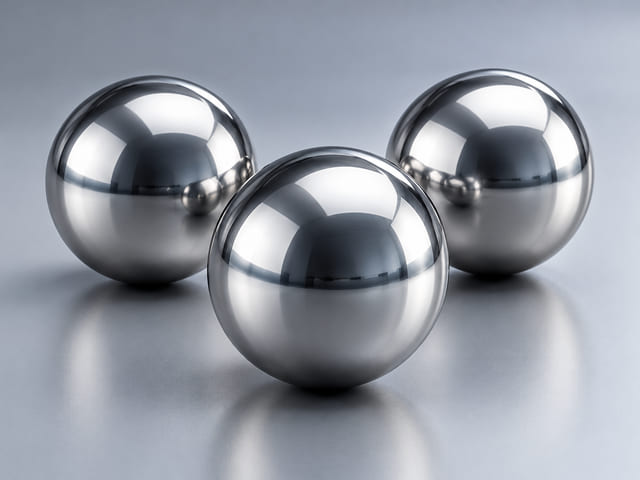
| 440C stainless steel | Compare a hardened steel candidate when the contact can meet its wear requirement without the selected cemented-carbide material system. | Steel has different toughness, stiffness and corrosion behavior; evaluate contact marking and material state using the same functional test. |
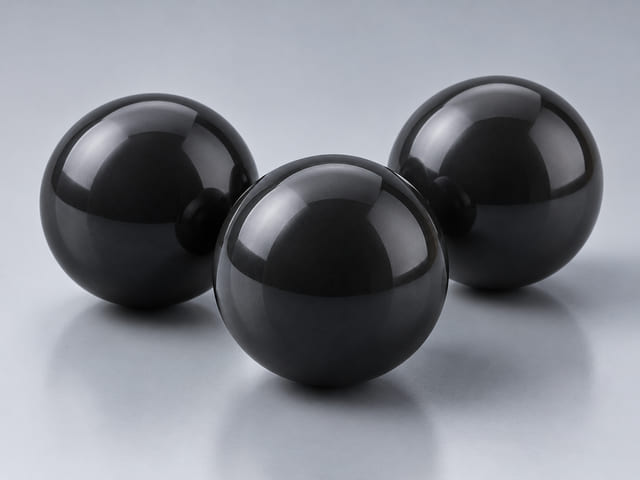
| Silicon nitride | Review a ceramic candidate when mass, electrical behavior or a specific contact design leads beyond a dense cemented-carbide sphere. | The stiffness, impact response and fracture considerations differ, so neither a hardness comparison nor diameter match establishes interchangeability. |
| Zirconia ceramic | Consider a defined zirconia grade where the environment and ceramic contact balance fit the application better than a metallic-binder carbide. | The ceramic formulation, surface and toughness need their own acceptance; material-family names alone cannot predict a successful seat pairing. |
These links open the corresponding product pages in this collection. Final selection depends on your complete specification and the agreed validation.
Tungsten Carbide Balls FAQs
Are tungsten carbide balls pure tungsten?
No. The common cemented-carbide product combines tungsten carbide grains with a binder. Pure tungsten and tungsten-heavy-alloy spheres are different materials. Specify the exact carbide grade and binder instead of purchasing from the word tungsten alone.
Does higher hardness always improve a valve?
No. Seat compatibility, impact, particles and corrosion of the complete material can become limiting factors. A harder ball can also damage a softer seat. Define and test the contact pair rather than selecting from hardness in isolation.
Why does the binder matter?
The binder is part of the finished material and can affect mechanical and chemical behavior. Different binder systems are not automatically interchangeable. Provide the medium, temperature and composition restrictions so compatibility review addresses the actual cemented grade.
Can carbide balls be used as calibration standards?
Only with the required dimensional calibration and traceability evidence. Hardness and polish do not establish an assigned size, uncertainty or calibration chain. If a reference sphere is needed, specify the metrology deliverable separately from the base material.
Can a steel ball be replaced with carbide?
Only after reviewing stiffness, contact stresses, mass, impact and the surrounding seat or race. Matching nominal diameter is insufficient. Use an engineering-approved comparison and the functional acceptance appropriate to the complete mechanism.
What should be included in the enquiry?
Provide the carbide and binder specification, drawing or diameter, surface and form criteria, medium, seat material, quantity and operating contact. Add impact or particle exposure and the inspection or leakage evidence required for sample approval.
Request a quotation
Turn the Tungsten Carbide Balls requirements into a clear enquiry for MEITUO Balls.
- Define the material and geometry.
- Describe the application and acceptance.
- Separate sample and production demand.
The quotation confirms feasibility, supply scope, inspection documents and commercial terms. Generated illustrations are not evidence of available stock or completed validation.
Continue your material review
Engineering references and illustration notes
Material-family references support screening. The exact grade, finished geometry and application acceptance govern an actual enquiry.
CGI illustrations explain product, application or structure concepts. They are not photographs, measured micrographs, assembly drawings or inspection results.