Aluminium Bronze Balls
Aluminium bronze balls are copper-based alloy spheres with aluminium as a principal alloying element. They are considered for selected mechanical, pump and valve contacts requiring a defined non-ferrous material. Specify the exact grade and condition because aluminium bronze covers multiple compositions. Confirm fluid chemistry, temperature, load, mating surface and geometry before selection. It is distinct from aluminium metal and should not be approved as a universal corrosion-resistant replacement.
- Material / construction
- Specified copper-aluminium bronze alloy; exact grade and condition required
- Specification basis
- Drawing, diameter & acceptance
- Order basis
- Sample & production quantities
Aluminium Bronze Balls: selection overview
The word aluminium in this product refers to a copper-based bronze alloy, not a lightweight aluminium sphere. Particular grades are chosen around their mechanical and environmental balance, and additional alloying elements can materially change the result. A C61000 or CuAl-type reference must be checked against its own governing standard rather than treated as a blanket equivalent to every aluminium bronze. For a ball, contact wear, surface quality and the mating seat also matter. A successful corrosion reference for another product form cannot establish finished-ball geometry, sealing or repeat-production acceptance.
Define the bronze grade before the application label
Provide the exact grade and the permitted standard reference, including any restricted-element requirement. If a drawing uses a copper-aluminium grade, do not substitute another bronze solely because its colour matches. The application may call for a particular material condition or traceability record. Explain why aluminium bronze is being evaluated: contact mechanics, chemical exposure or a non-ferrous requirement. This keeps a marine or industrial label from becoming a substitute for technical acceptance.
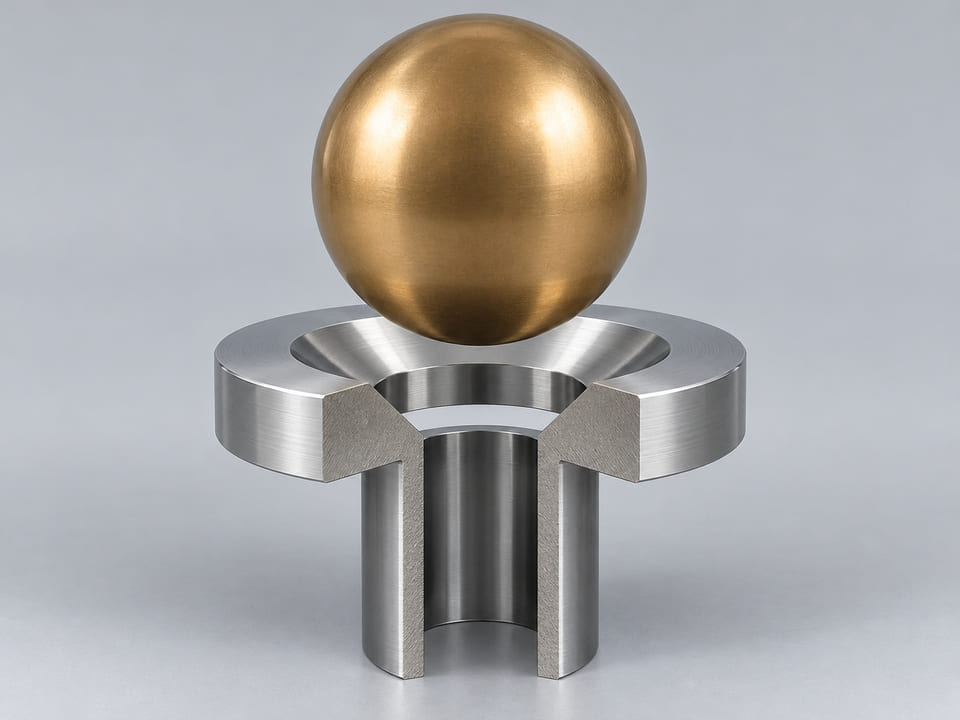
Review galvanic and contact compatibility together
A ball and its mating seat may be dissimilar metals. Describe the complete wet-material pair, the liquid and exposure conditions so the component designer can review compatibility. Mechanical contact also needs attention: hardness, load, motion and particles can shift wear to one side of the pair. Include surface and leakage criteria where the ball is a valve element. Any successful material test should remain distinguishable from qualification of the complete assembled contact.
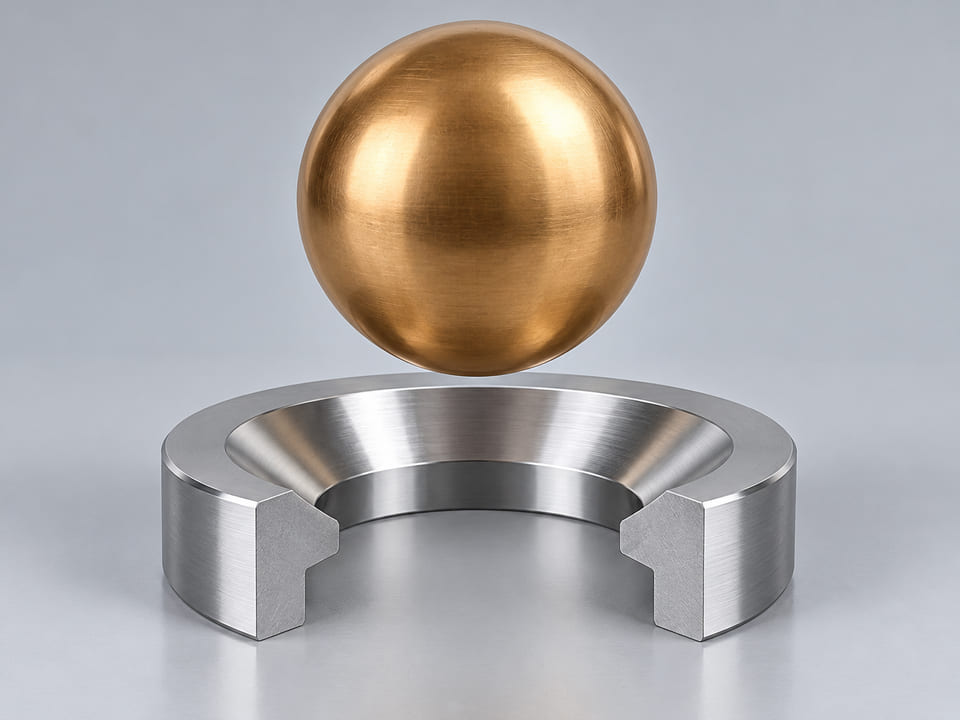
Aluminium Bronze Balls specifications
Define the component using the requirements below. Include your target values and acceptance method; the quotation records the agreed material, geometry, inspection and supply scope.
| Requirement | What to specify | Why it matters |
|---|---|---|
| Alloy designation | Specify the full copper-aluminium grade and governing standard. | Distinguishes the selected bronze from other bronzes and aluminium metal. |
| Material state | Define condition, hardness if critical and traceability needs. | Supports a grade-specific mechanical review. |
| Wetted contact pair | Identify ball, seat, body materials and actual medium. | Makes environmental and galvanic review relevant to the assembly. |
| Functional geometry | Provide diameter, form, surface and leakage or wear acceptance. | Connects the finished sphere to the intended component function. |
Drawing and dimensional acceptance
Provide the drawing revision and nominal dimensions with units. Identify critical form, surface and fit requirements individually; a material designation alone does not define a finished component. Where an existing sample is the reference, describe wear and confirm the intended acceptance limits.
Order and inspection scope
Separate sample quantities from production demand. State the required inspection documents, lot identification, cleanliness and packaging. Any proposed substitute or change to the component specification should be reviewed before approval, with the quotation confirming the agreed scope.
Numeric performance values, when needed, must identify their material, conditions and evidence. Typical raw-material data should not be treated as guaranteed finished-component performance.
Aluminium Bronze Balls applications
Start with the actual mechanism and exposure conditions. Each use below identifies the information needed for a useful technical review.
Pump and valve seating projects
A specified aluminium bronze sphere can be evaluated where the medium and contact design support the chosen alloy. The surrounding body and seat materials need coordinated review. Include particles and cleaning exposure because they can change both corrosion and closure behavior.
Non-ferrous mechanical contacts
The family offers a candidate for an engineered contact where a copper-based alloy is preferred. Compare contact marking, wear and lubricant compatibility with the actual counterface. Do not assume a bronze component can replace a hardened steel element at the same load.
Water-exposed OEM components
For a defined water-contact project, identify water chemistry, temperature and the other wetted metals. Any marine or regulated use needs its own acceptance scope. Grade-specific evidence and a representative assembly evaluation are more useful than a generic corrosion claim.
Compare Aluminium Bronze Balls alternatives
Compare the requirement that drives the decision. A matching nominal diameter or similar appearance does not establish material or functional equivalence.
| Alternative | When to review it | Tradeoff to assess |
|---|---|---|
| Phosphor bronze | Compare a copper-tin-phosphorus candidate when the mechanical contact and specified material condition fit the project's requirements without the selected copper-aluminium system. | The bronze families differ in chemistry and condition; evaluate their actual contact and exposure rather than grouping them by colour. |
| Brass | Review a specified copper-zinc grade when the verified medium and component duty allow a brass option with suitable processing and finish. | Do not transfer corrosion or regulated-contact acceptance between alloy families; use the same test and document requirements for each candidate. |
| 316/316L stainless steel | Consider an austenitic stainless material when the application can use a ferrous alloy and its particular fluid compatibility fits the design. | The contact, galvanic pair and surface response change with material; approve the whole assembly rather than substituting by diameter alone. |
These links open the corresponding product pages in this collection. Final selection depends on your complete specification and the agreed validation.
Aluminium Bronze Balls FAQs
Is aluminium bronze an aluminium ball?
No. Aluminium bronze is a copper-based alloy with aluminium as an important alloying element. Aluminium metal is a different material system with different density, mechanical response and corrosion considerations. Specify the exact grade to avoid this ambiguity.
Are all aluminium bronzes interchangeable?
No. The family contains different compositions and conditions. Use the drawing's full material reference and approve substitutions through the project's mechanical and environmental requirements. An approximate trade name or matching colour is not sufficient material evidence.
Can these balls be used in seawater equipment?
Only after a grade-specific service review. Identify the seawater conditions, temperature, flow or stagnation and other wetted metals. A general reputation for marine use does not qualify every alloy, surface or ball-and-seat arrangement.
Can aluminium bronze replace stainless steel?
Potentially, if the complete contact and environment are re-evaluated. Mechanical behavior, galvanic relationships and surface wear can change. Keep the diameter and drawing requirements explicit, and approve the assembled function rather than the material label alone.
Which details matter for valve use?
The exact alloy, fluid chemistry, seat material, closing force or pressure cycle, particles and leakage acceptance all matter. Specify ball geometry and surface criteria separately. The complete valve test should confirm the outcome of the proposed material pairing.
What helps a first quotation?
Send the full grade designation, material condition, drawing, quantity and application. Include the wetted-material pair, fluid and temperature, required inspection documents and sample acceptance. State whether another bronze or stainless option may be proposed for comparison.
Request a quotation
Turn the Aluminium Bronze Balls requirements into a clear enquiry for MEITUO Balls.
- Define the material and geometry.
- Describe the application and acceptance.
- Separate sample and production demand.
The quotation confirms feasibility, supply scope, inspection documents and commercial terms. Generated illustrations are not evidence of available stock or completed validation.
Continue your material review
Engineering references and illustration notes
Material-family references support screening. The exact grade, finished geometry and application acceptance govern an actual enquiry.
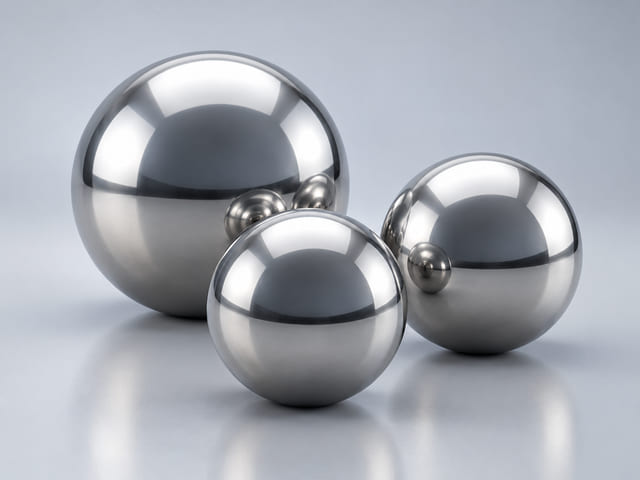
CGI illustrations explain product, application or structure concepts. They are not photographs, measured micrographs, assembly drawings or inspection results.