Alumina Balls
Alumina balls are aluminium oxide ceramic spheres considered for hard non-metallic contacts, selected valves and instrument components. Their electrical-insulation and wear profile can be useful, but purity, surface integrity and impact conditions must match the application. Distinguish a precision component from grinding media, then specify ceramic grade, diameter, form, finish, working environment and acceptance evidence before approving the ball.
- Material / construction
- Aluminium oxide, Al2O3; purity and ceramic grade specified
- Specification basis
- Drawing, diameter & acceptance
- Order basis
- Sample & production quantities
Alumina Balls: selection overview
Alumina is a broad engineering ceramic family, not a single purity or quality level. The amount and type of secondary phase can affect properties, so a white appearance cannot identify the composition. The distinction between precision spheres and milling media is equally important: a material used successfully for grinding is not automatically an acceptable valve ball or rolling element. Decide which function is required and specify its geometry and integrity. Hardness and electrical insulation can be useful selection factors, while impact, defects and the mating surface remain important design constraints.
Specify alumina content and finished-ball quality
Identify the ceramic grade or composition requirement and the evidence needed to confirm it. Avoid treating a generic Al2O3 label as proof of purity, density or internal quality. Then define diameter, form, finish and permitted surface defects for the intended function. Where a high-purity grade is requested, explain the relevant contamination or electrical requirement so the material and inspection proposal can be evaluated against a real purpose rather than an unqualified premium claim.
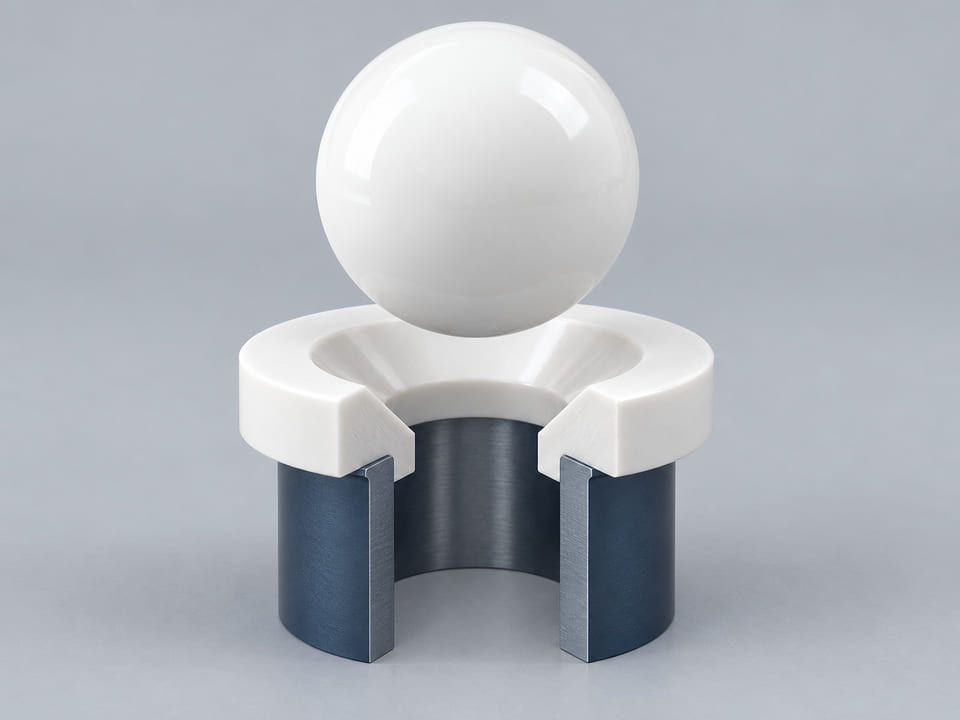
Separate precision components from process media
A valve sphere, a contact element and a grinding bead need different acceptance methods even if each contains alumina. For precision contacts, include the seat or race geometry and surface integrity. For media, describe the process, wear contamination and size distribution. Do not transfer a media tolerance or a bulk bag description into an instrument specification. Sample acceptance should assess the actual contact or process result, including fracture or chipping consequences where relevant.
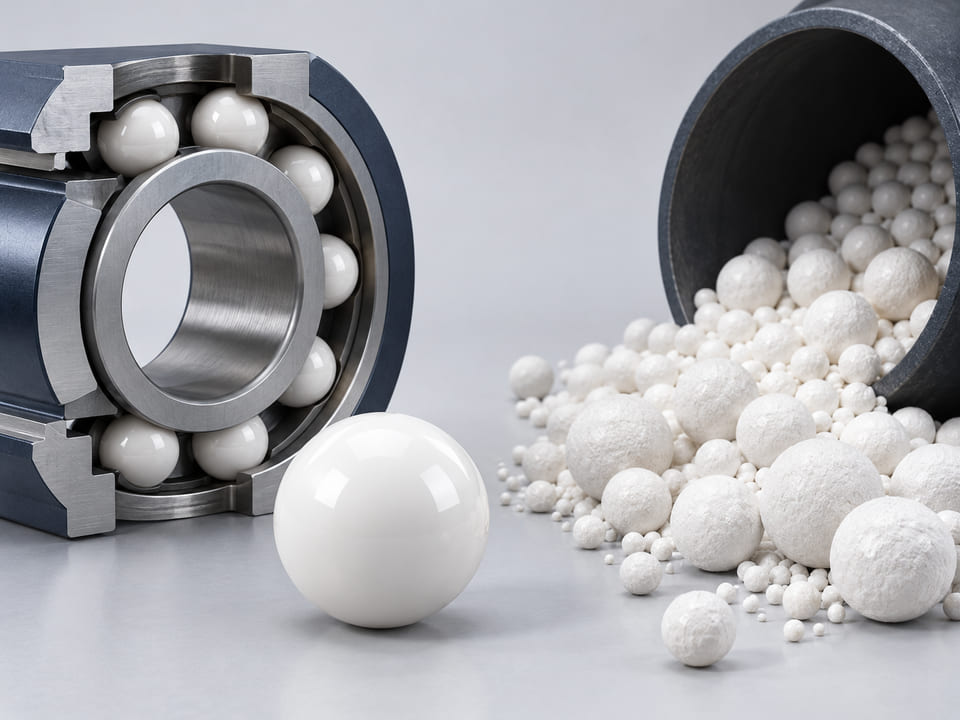
Alumina Balls specifications
Define the component using the requirements below. Include your target values and acceptance method; the quotation records the agreed material, geometry, inspection and supply scope.
| Requirement | What to specify | Why it matters |
|---|---|---|
| Ceramic grade | State alumina composition or required material class. | Purity and secondary phases can affect material behaviour. |
| Intended function | Identify precision component, rolling contact or process media. | Each use requires a different acceptance and inspection basis. |
| Geometry and defects | Define diameter, form, surface and chipping limits. | Hard ceramic contacts are sensitive to quality beyond initial size. |
| Process or assembly acceptance | Set leakage, electrical, wear or contamination criteria as appropriate. | The material description must connect to an actual functional result. |
Drawing and dimensional acceptance
Provide the drawing revision and nominal dimensions with units. Identify critical form, surface and fit requirements individually; a material designation alone does not define a finished component. Where an existing sample is the reference, describe wear and confirm the intended acceptance limits.
Order and inspection scope
Separate sample quantities from production demand. State the required inspection documents, lot identification, cleanliness and packaging. Any proposed substitute or change to the component specification should be reviewed before approval, with the quotation confirming the agreed scope.
Numeric performance values, when needed, must identify their material, conditions and evidence. Typical raw-material data should not be treated as guaranteed finished-component performance.
Alumina Balls applications
Start with the actual mechanism and exposure conditions. Each use below identifies the information needed for a useful technical review.
Metering valves and fluid contacts
Alumina may be considered for a hard ceramic ball in a compatible valve or dosing component. Review the seat material and geometry to avoid poorly controlled contact stress. Define leakage after the actual closing and cleaning cycle, since a hard polished ball alone cannot establish a reliable seal.
Instrument and insulating contacts
A defined alumina grade may provide a non-metallic contact where electrical response and stable geometry matter. Identify the relevant electrical conditions and contamination limits. Surface moisture, surrounding materials and the assembled geometry should be assessed rather than treating a general insulating-material description as the rating for the instrument.
Process-media comparisons
Alumina may also be evaluated as media for a process that accepts the relevant wear chemistry. Specify this separately from a precision-ball enquiry. The useful result is the process outcome and contamination level under the actual equipment cycle, with size distribution and breakage acceptance defined before sampling.
Compare Alumina Balls alternatives
Compare the requirement that drives the decision. A matching nominal diameter or similar appearance does not establish material or functional equivalence.
| Alternative | When to review it | Tradeoff to assess |
|---|---|---|
| Zirconia | Compare zirconia where the contact or media process requires a different density and toughness balance from the proposed alumina grade. | The stabilised composition and actual wear chemistry need review; a white ceramic appearance does not establish equivalence between the two oxide families. |
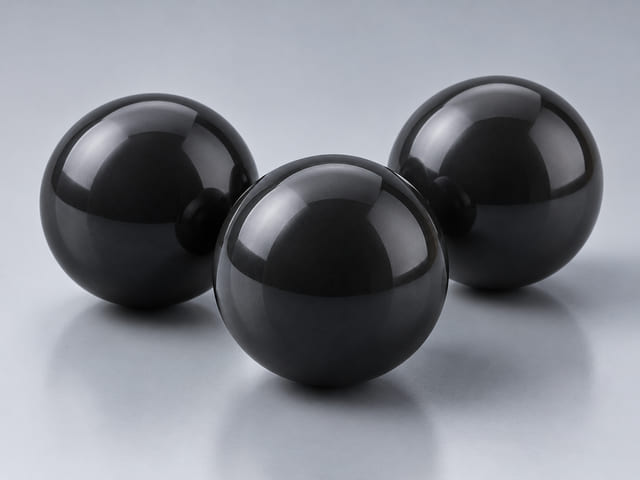
| Silicon nitride | Review silicon nitride for qualified bearing or contact duties where its particular mass and material profile are relevant. | Require the appropriate rolling-element quality evidence rather than assuming that a general ceramic material comparison establishes bearing suitability. |
| Soda-lime glass | Compare glass for compatible lower-demand fluid or indicator components where clarity or a different commercial basis is useful. | Brittle fracture, thermal response and surface durability still need assessment; an economical clear sphere is not automatically equivalent to alumina. |
These links open the corresponding product pages in this collection. Final selection depends on your complete specification and the agreed validation.
Alumina Balls FAQs
Are alumina balls pure aluminium metal?
No. Alumina is aluminium oxide, an engineering ceramic with a different structure and property profile from aluminium metal. Specify the ceramic composition and grade. A ball made from aluminium metal cannot be substituted based on the similar element name or a visually light-coloured appearance.
Does white colour prove high-purity alumina?
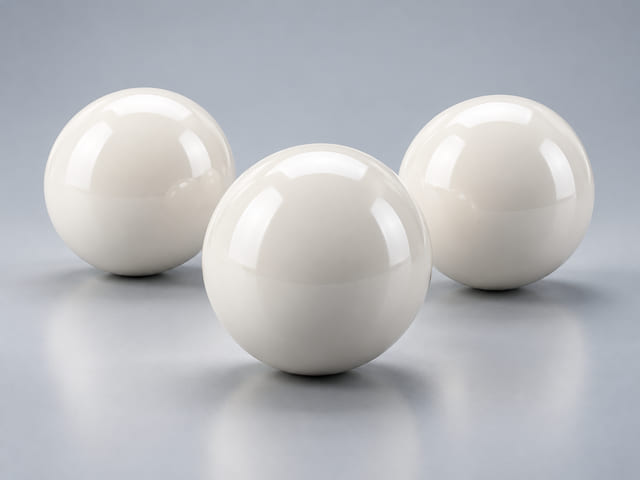
No. Colour does not identify composition, density or internal quality. Request the required material evidence and define the impurity or performance concern that matters. Geometry, surface defects and the actual component or process test should remain separate acceptance items rather than being inferred from appearance.
Can grinding balls be used as precision valve balls?
Not without checking the full specification. Media and precision components can have different size, form, finish and integrity requirements. State the intended use and acceptance method clearly. A ceramic composition that works in a mill does not establish sealing performance against a precision valve seat.
Are alumina balls impact resistant?
They are hard ceramic components, so impact and contact geometry need careful review. Do not equate hardness with immunity to chipping or fracture. Define the loading, mating surfaces and handling conditions, then use the relevant component test and defect inspection to establish acceptability.
How should an alumina sphere be inspected?
Match the inspection to the function: material identity and integrity, diameter and form, surface finish and permissible defects may all matter. A valve needs leakage or contact validation, while media needs process and contamination evidence. Record the agreed method so quotation and sample approval address the same requirement.
What information is needed for an alumina quotation?
Provide ceramic composition, intended use, ball geometry, finish, quantity and environment. Add leakage, electrical or process requirements and the required inspection documents. If the application is still being developed, distinguish essential acceptance from preferences so the material and production route can be reviewed without invented capability claims.
Request a quotation
Turn the Alumina Balls requirements into a clear enquiry for MEITUO Balls.
- Define the material and geometry.
- Describe the application and acceptance.
- Separate sample and production demand.
The quotation confirms feasibility, supply scope, inspection documents and commercial terms. Generated illustrations are not evidence of available stock or completed validation.
Continue your material review
Engineering references and illustration notes
Material-family references support screening. The exact grade, finished geometry and application acceptance govern an actual enquiry.
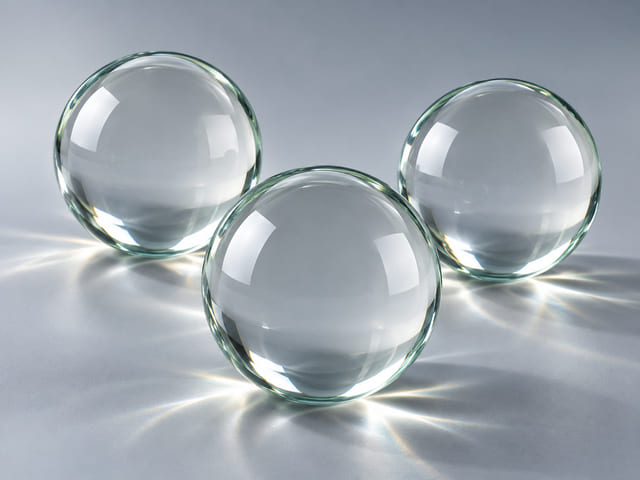
CGI illustrations explain product, application or structure concepts. They are not photographs, measured micrographs, assembly drawings or inspection results.