Soda-Lime Glass Balls
Soda-lime glass balls are clear mineral spheres considered for compatible fluid indicators, mixing elements and selected valve contacts. They offer a hard non-metallic surface, but glass composition, defects and thermal or impact conditions must suit the application. Specify diameter, form, surface and internal-defect acceptance, fluid and cleaning exposure, and functional requirements before approving a glass sphere for an industrial assembly.
- Material / construction
- Soda-lime glass; composition and finished-ball quality specified
- Specification basis
- Drawing, diameter & acceptance
- Order basis
- Sample & production quantities
Soda-Lime Glass Balls: selection overview
Soda-lime glass is useful when a clear hard sphere and a defined moving mass meet the component's purpose. It should not be confused with borosilicate, optical glass or a decorated marble simply because all are visually glassy. Composition, forming and finishing influence the acceptance discussion, while chips, scratches or internal inclusions can matter for different reasons. An indicator may prioritise repeatable movement and visibility; a valve may prioritise sealing contact; a mixing element may need compatible packaging and cleanliness. State the function first so the quotation addresses the appropriate quality rather than an unspecified clear sphere.
Specify clarity, defects and geometry separately
Define whether transparency is cosmetic, needed for observation or part of an optical function. Set a practical viewing method for scratches, chips, bubbles and inclusions. Diameter and form should then be specified for the mechanism, rather than assuming an attractive glass ball has a precision contact surface. Where the component touches a seat, explain the leakage or contact requirement. An agreed inspection method is more reliable than an unqualified request for perfect clarity.
Review temperature change and handling
Include the process temperature, cleaning transition and the rate or nature of temperature change where relevant. A glass composition's general thermal behaviour does not establish the finished sphere's resistance to every shock or pressure event. Identify the impact and handling conditions that could create chips. Use representative exposure and functional tests, and protect the accepted surface during packing and installation so the supplied component remains consistent with its inspection condition.
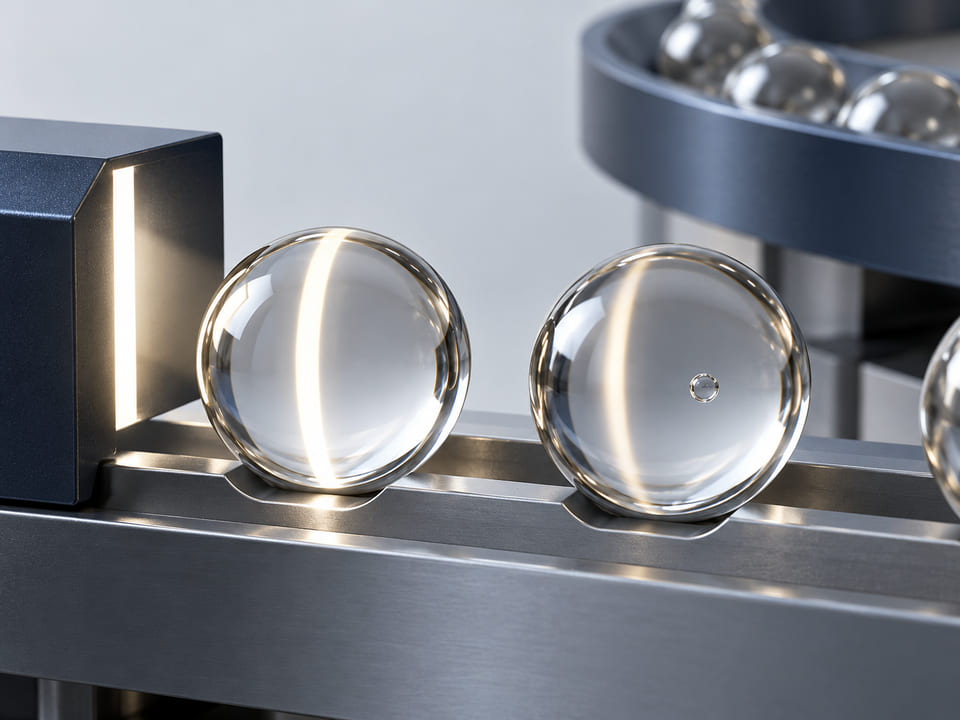
Soda-Lime Glass Balls specifications
Define the component using the requirements below. Include your target values and acceptance method; the quotation records the agreed material, geometry, inspection and supply scope.
| Requirement | What to specify | Why it matters |
|---|---|---|
| Glass identity | Identify soda-lime composition or agreed material specification. | Different glass families have different chemical and thermal behaviour. |
| Geometry and contact | State diameter, form and relevant seat or guide detail. | The required precision depends on movement, calibration or sealing. |
| Visual defects | Define surface and internal-defect limits with a viewing method. | Clarity, chips and inclusions need explicit acceptance. |
| Exposure | Provide fluid, cleaning, temperature changes and impact conditions. | A general glass description does not define the finished component's service boundary. |
Drawing and dimensional acceptance
Provide the drawing revision and nominal dimensions with units. Identify critical form, surface and fit requirements individually; a material designation alone does not define a finished component. Where an existing sample is the reference, describe wear and confirm the intended acceptance limits.
Order and inspection scope
Separate sample quantities from production demand. State the required inspection documents, lot identification, cleanliness and packaging. Any proposed substitute or change to the component specification should be reviewed before approval, with the quotation confirming the agreed scope.
Numeric performance values, when needed, must identify their material, conditions and evidence. Typical raw-material data should not be treated as guaranteed finished-component performance.
Soda-Lime Glass Balls applications
Start with the actual mechanism and exposure conditions. Each use below identifies the information needed for a useful technical review.
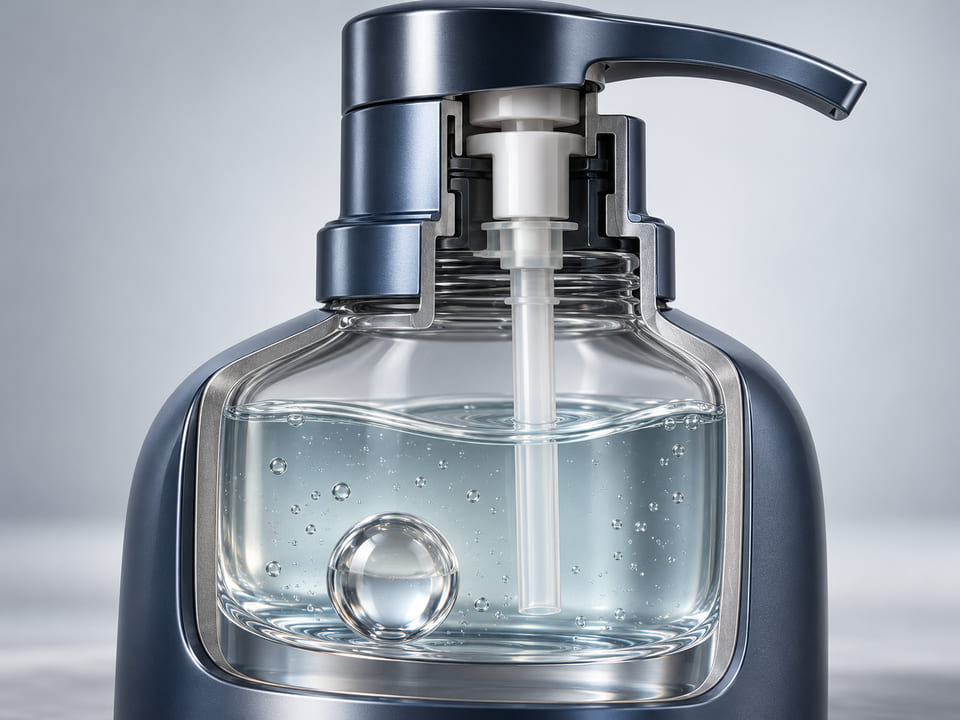
Dispensing and mixing elements
A glass sphere may serve as a moving mixing element in a compatible liquid package. Review the formulation, bottle or chamber and required movement. Identify any contact documentation and cleanliness needs early; a non-metallic material description cannot establish suitability for every cosmetic, food or chemical formulation.
Visible flow and level instruments
Glass balls can be considered in instruments where mass and geometry influence a visible response. The calibration belongs to the assembled device. Define the fluid, viscosity, temperature and guide clearance, then validate movement and indication rather than treating a replacement with matching diameter as automatically equivalent.
Selected valve contacts
A hard glass sphere may be reviewed for a suitable seat and compatible fluid. Check impact, closing conditions and surface integrity because a chip or scratch can affect the interface. Leakage should be evaluated with the actual seat after representative exposure and cycling, separately from visual clarity.
Compare Soda-Lime Glass Balls alternatives
Compare the requirement that drives the decision. A matching nominal diameter or similar appearance does not establish material or functional equivalence.
| Alternative | When to review it | Tradeoff to assess |
|---|---|---|
| Borosilicate glass | Compare borosilicate where composition-specific thermal and chemical durability motivates another clear mineral option. | The finished sphere still needs impact, geometry and assembly validation; a material-family advantage is not a universal thermal-shock guarantee. |
| PMMA acrylic | Consider acrylic when reduced mass and a different impact or visual balance are useful in the indicator or display design. | Reassess scratches, stress cracking and calibration; a clear polymer is not equivalent to glass in chemistry or movement. |
| Alumina | Review alumina for an opaque hard ceramic contact where optical clarity is unnecessary and its material profile suits the assembly. | Specify grade and defects, and validate the seat; a change to ceramic alters mass and contact rather than only colour. |
These links open the corresponding product pages in this collection. Final selection depends on your complete specification and the agreed validation.
Soda-Lime Glass Balls FAQs
Are soda-lime and borosilicate balls interchangeable?
Not automatically. Their compositions and thermal or chemical behaviour differ. Match the actual fluid, temperature changes and component function before deciding. Even where either material is chemically suitable, differences in finished-ball quality and instrument response may require a separate sample or assembly validation.
Can glass balls be used in a flowmeter?
They can be considered when the instrument is designed or calibrated for the specified sphere. Diameter, mass, surface and fluid conditions affect response. Validate the complete device and its movement or indication criterion; replacing a ball with the same nominal size does not establish equivalent calibration.
Does a clear ball count as an optical lens?
No. Visual transparency does not establish lens material, surface quality or optical performance. If the sphere focuses or transmits light to a specification, define the relevant optical requirements and acceptance method. A clear industrial sphere and a qualified ball lens are different product requirements.
Why are chips and scratches important?
They may affect sealing, movement, appearance or the risk of further damage, depending on the function. Agree the defect limits and viewing method before sampling. Protect the accepted sphere during handling and installation so the surface condition used for approval is not lost before it reaches the assembly.
Is soda-lime glass chemically inert in every liquid?
No unrestricted compatibility claim should be used. Provide the exact fluid, concentration, temperature and cleaning history so the composition can be assessed. A material that is useful in one liquid may be unsuitable in another, and a chemical screen does not establish the valve or instrument's functional performance.
What should a glass ball enquiry include?
Provide the composition, diameter and form requirements, quantity, surface and internal-defect limits, fluid and cleaning conditions. Include the seat or instrument function and any contact documentation. Those details define the sampling and inspection basis without assuming a standard stock quality, universal thermal rating or unconfirmed commercial term.
Request a quotation
Turn the Soda-Lime Glass Balls requirements into a clear enquiry for MEITUO Balls.
- Define the material and geometry.
- Describe the application and acceptance.
- Separate sample and production demand.
The quotation confirms feasibility, supply scope, inspection documents and commercial terms. Generated illustrations are not evidence of available stock or completed validation.
Continue your material review
Engineering references and illustration notes
Material-family references support screening. The exact grade, finished geometry and application acceptance govern an actual enquiry.
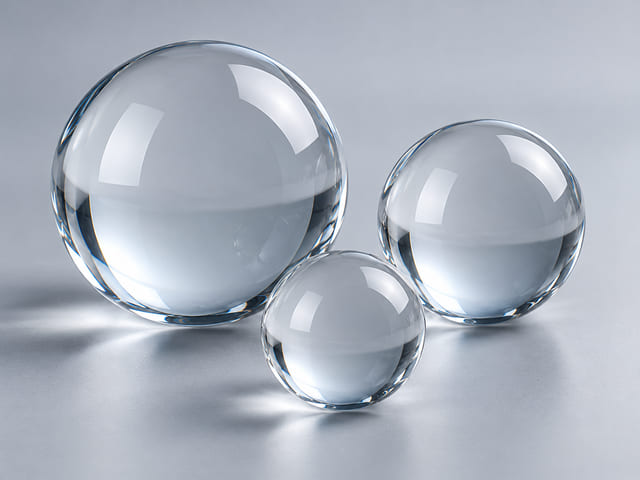
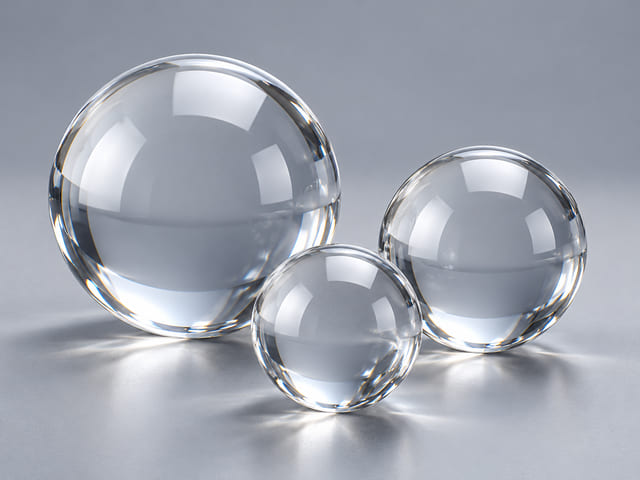
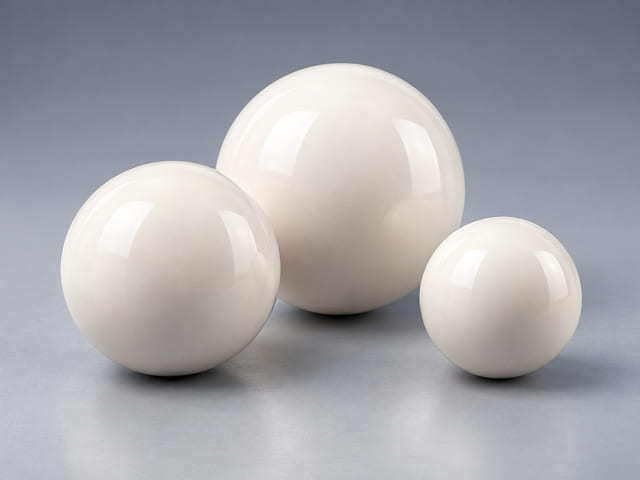
CGI illustrations explain product, application or structure concepts. They are not photographs, measured micrographs, assembly drawings or inspection results.