PMMA Acrylic Balls
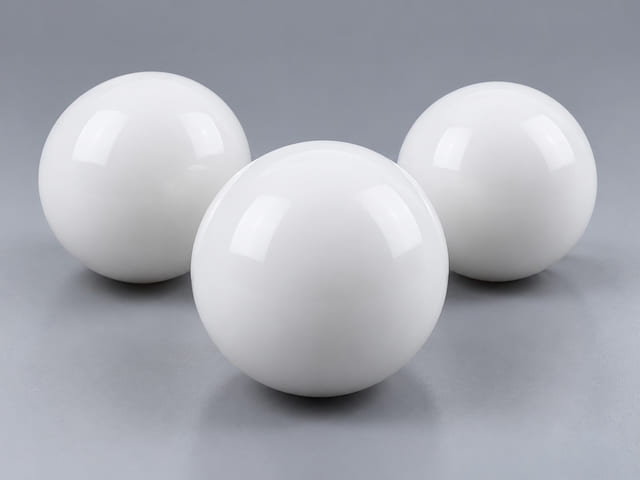
PMMA balls are acrylic spheres used where transparency, low moving mass and visible component motion matter. They can be considered for fluid indicators, selected check valves and visual assemblies, but optical clarity does not establish lens quality or chemical compatibility. Specify the resin grade, diameter, surface-defect limits, working liquid, impact conditions and any optical requirement before approving an acrylic ball for the finished assembly.
- Material / construction
- Polymethyl methacrylate; grade and optical requirements specified
- Specification basis
- Drawing, diameter & acceptance
- Order basis
- Sample & production quantities
PMMA Acrylic Balls: selection overview
A clear acrylic sphere can make movement visible without the mass of a glass or metal element. That benefit is useful in indicators but introduces distinct acceptance questions: haze, scratches, inclusions and polishing marks may matter even when the diameter is acceptable. PMMA also needs review for stress cracking caused by the interaction of contact stress, cleaners and process fluids. A transparent product photograph cannot establish transmission, focal behaviour or a validated optical surface. Separate a visually clear industrial component from a precision ball lens in both the drawing and the quotation.
Specify visual quality separately from ball geometry
State whether clarity is cosmetic, needed to observe motion, or part of an optical function. For cosmetic or indicator parts, define acceptable scratches, bubbles and haze with an agreed viewing method. For optical duties, specify the relevant transmission, surface and wavefront requirements rather than the word clear. Diameter and roundness remain separate acceptance items; excellent visual polish cannot compensate for a ball that sticks in its guide or changes the calibrated flow response.
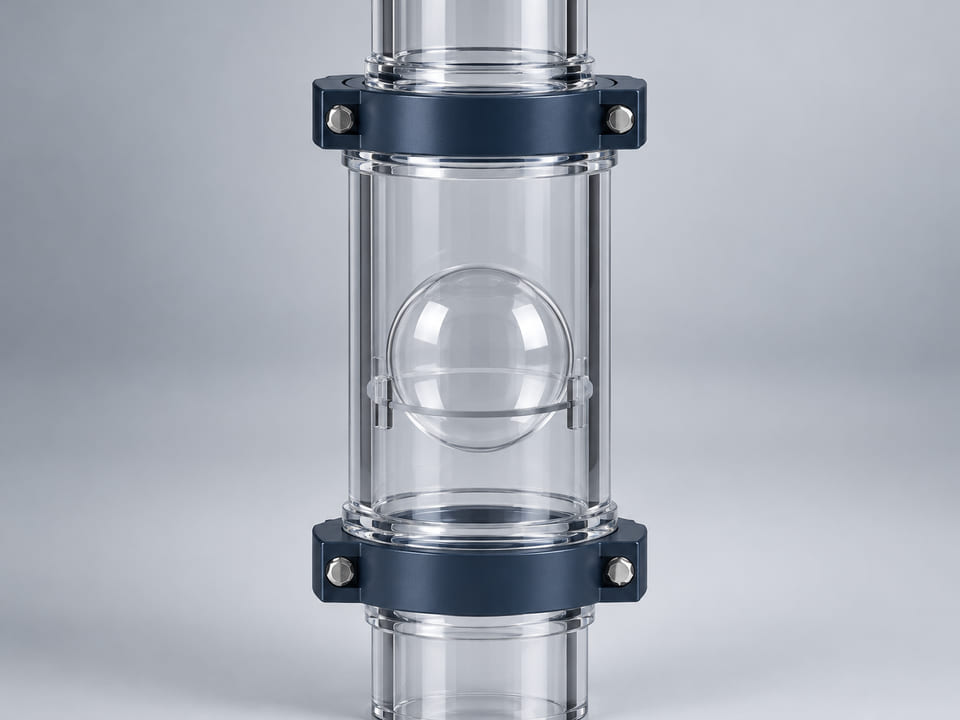
Check chemical contact together with mechanical stress
A fluid may appear acceptable during a short immersion but cause problems when the sphere is loaded against a seat or cleaned repeatedly. Include solvents, alcohol-based cleaners, detergents and residual assembly stress in the review. Test using the actual concentration and exposure cycle. If the application includes impact, thermal changes or a brittle-fracture consequence, compare glass, another polymer or a redesign instead of treating low weight as the only selection criterion.
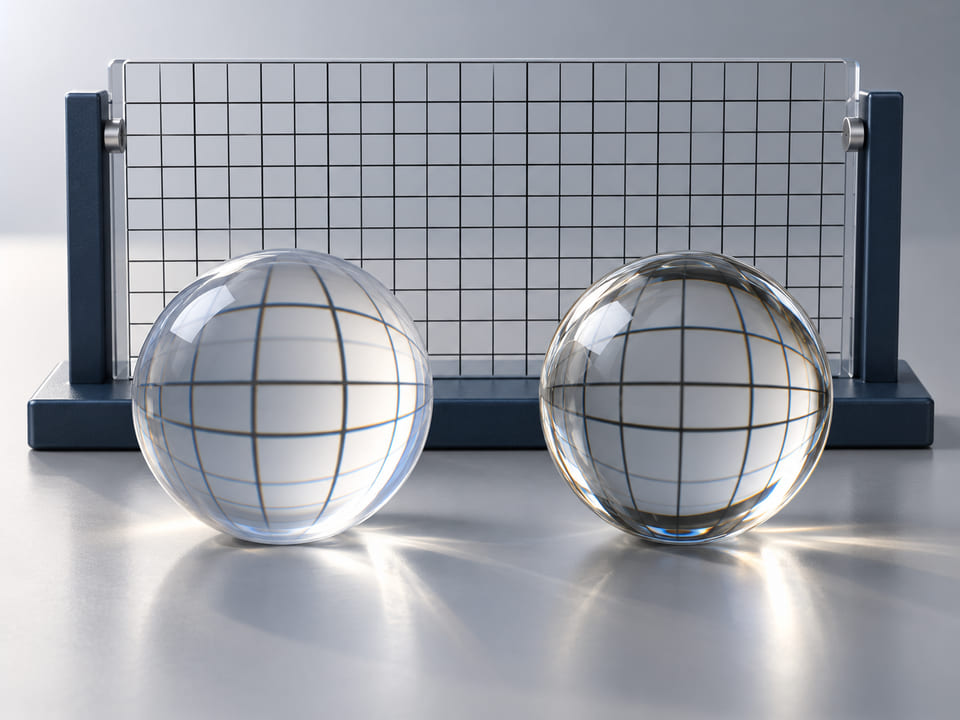
PMMA Acrylic Balls specifications
Define the component using the requirements below. Include your target values and acceptance method; the quotation records the agreed material, geometry, inspection and supply scope.
| Requirement | What to specify | Why it matters |
|---|---|---|
| Optical purpose | Identify cosmetic clarity, motion visibility or a defined lens function. | These functions require different inspection methods and cannot be captured by a colour description. |
| Visual acceptance | Specify scratches, bubbles, haze and the viewing conditions. | A visually critical component needs acceptance beyond diameter and roundness. |
| Chemical exposure | List process fluids and cleaning chemicals under actual concentration and stress. | Stress cracking can depend on the combination of medium and contact load. |
| Indicator function | Provide the fluid conditions, guides and calibration or movement criterion. | Changing sphere material or mass can alter the assembled instrument response. |
Drawing and dimensional acceptance
Provide the drawing revision and nominal dimensions with units. Identify critical form, surface and fit requirements individually; a material designation alone does not define a finished component. Where an existing sample is the reference, describe wear and confirm the intended acceptance limits.
Order and inspection scope
Separate sample quantities from production demand. State the required inspection documents, lot identification, cleanliness and packaging. Any proposed substitute or change to the component specification should be reviewed before approval, with the quotation confirming the agreed scope.
Numeric performance values, when needed, must identify their material, conditions and evidence. Typical raw-material data should not be treated as guaranteed finished-component performance.
PMMA Acrylic Balls applications
Start with the actual mechanism and exposure conditions. Each use below identifies the information needed for a useful technical review.
Visible flow indicators
Acrylic spheres may help operators see the moving element within a transparent fluid path. Their diameter, mass and surface condition influence the functional response. Establish the indicator calibration and sticking criterion using the assembled unit, particularly when the liquid viscosity or temperature changes through the normal operating cycle.
Selected transparent valve assemblies
PMMA can be reviewed when a non-metallic ball needs to remain visually observable in a compatible fluid. Check seat loading and chemical exposure together. A successful material immersion does not demonstrate sealing, and the ball should be evaluated after repeated closing and cleaning rather than only in a fresh assembly.
Visual and optical subassemblies
A clear sphere can support display, light-handling or educational components, provided the optical requirement is described precisely. Where the ball is intended to focus light, define the lens specification and material data. An industrial acrylic sphere should not be represented as an optical-grade lens without the relevant surface and performance evidence.
Compare PMMA Acrylic Balls alternatives
Compare the requirement that drives the decision. A matching nominal diameter or similar appearance does not establish material or functional equivalence.
| Alternative | When to review it | Tradeoff to assess |
|---|---|---|
| Soda-lime glass | Compare glass when scratch resistance, mass or resistance to a particular compatible fluid is more useful than acrylic's low weight. | Reassess impact and thermal shock; a harder clear material may introduce a different fracture risk and change indicator response. |
| Borosilicate glass | Review borosilicate when chemical durability and thermal cycling drive the search for an alternative clear sphere in laboratory equipment. | The exact glass composition and finished geometry still need validation; a material-family improvement is not a universal thermal-shock rating. |
| POM / acetal | Choose to compare acetal when optical visibility can be sacrificed for a different mechanical contact and dimensional-stability balance. | An opaque ball changes visual inspection and sensing, so confirm whether visibility is essential to the operator or sensor. |
These links open the corresponding product pages in this collection. Final selection depends on your complete specification and the agreed validation.
PMMA Acrylic Balls FAQs
Are PMMA balls the same as glass balls?
No. PMMA is an acrylic polymer with different mass, deformation, scratch and chemical behaviour from glass. Both may look transparent, but that resemblance does not establish interchangeability in a valve, indicator or optical assembly. Compare the relevant operating requirement before selecting the material.
Can acrylic balls be used as ball lenses?
Only when the optical specification is explicitly defined and met. Visual transparency alone does not establish surface quality, refractive performance or transmission over a required wavelength range. Describe whether the component is an industrial visible element or a lens so the quotation and acceptance method match its actual function.
Will cleaning solvents damage PMMA?
Some chemicals can promote swelling or stress cracking, particularly when mechanical stress is present. Provide the exact cleaner, concentration, temperature and exposure cycle. Validate the assembled contact as well as immersion behaviour before approving a cleaning method for a close-fitting or visibly critical sphere.
Why does the surface inspection matter?
Scratches, haze and inclusions can interfere with visibility or optical behaviour even when dimensional inspection passes. Agree the lighting, viewing distance and defect limits before sampling. This avoids a disagreement in which one party evaluates diameter while the other is rejecting visual appearance or an unspoken optical requirement.
Can PMMA replace a flowmeter glass ball?
The instrument needs recalibration or validation because mass and material interaction change. Match the physical size only as a starting point. Check movement, sticking, fluid compatibility and the indicated response across the operating range before treating the replacement as acceptable in an existing instrument.
What should an acrylic ball enquiry include?
Provide the diameter, quantity, resin or grade requirement and purpose of transparency. Include optical or cosmetic defect limits, fluid and cleaning exposure, contact load and drawing. State whether samples must pass an assembled movement or optical test so commercial review covers the real acceptance requirement.
Request a quotation
Turn the PMMA Acrylic Balls requirements into a clear enquiry for MEITUO Balls.
- Define the material and geometry.
- Describe the application and acceptance.
- Separate sample and production demand.
The quotation confirms feasibility, supply scope, inspection documents and commercial terms. Generated illustrations are not evidence of available stock or completed validation.
Continue your material review
Engineering references and illustration notes
Material-family references support screening. The exact grade, finished geometry and application acceptance govern an actual enquiry.
CGI illustrations explain product, application or structure concepts. They are not photographs, measured micrographs, assembly drawings or inspection results.