Borosilicate Glass Balls
Borosilicate glass balls are clear spheres considered for laboratory, metering and fluid-control components where glass chemistry and thermal behaviour matter. Compared with conventional soda-lime glass, suitable borosilicate compositions offer a useful durability profile, but the exact grade and finished geometry remain important. Specify composition, diameter, form, surface integrity, fluid, temperature changes and functional acceptance before approving a borosilicate sphere.
- Material / construction
- Borosilicate glass; exact composition and quality requirement specified
- Specification basis
- Drawing, diameter & acceptance
- Order basis
- Sample & production quantities
Borosilicate Glass Balls: selection overview
Borosilicate describes a family of glass compositions rather than one universal operating limit. The material is often considered where conventional glass faces more demanding chemical or thermal exposure, yet a manufacturer's flat-glass or tubing data should not be presented as a finished ball rating. The sphere's defects, geometry and actual temperature history still matter. In a valve, contact and pressure introduce further requirements; in an instrument, mass and optical clarity may influence behaviour. Identify the required function and composition, then agree the relevant component evidence instead of relying on a familiar glass trade name.
Specify composition and exposure rather than a generic heat claim
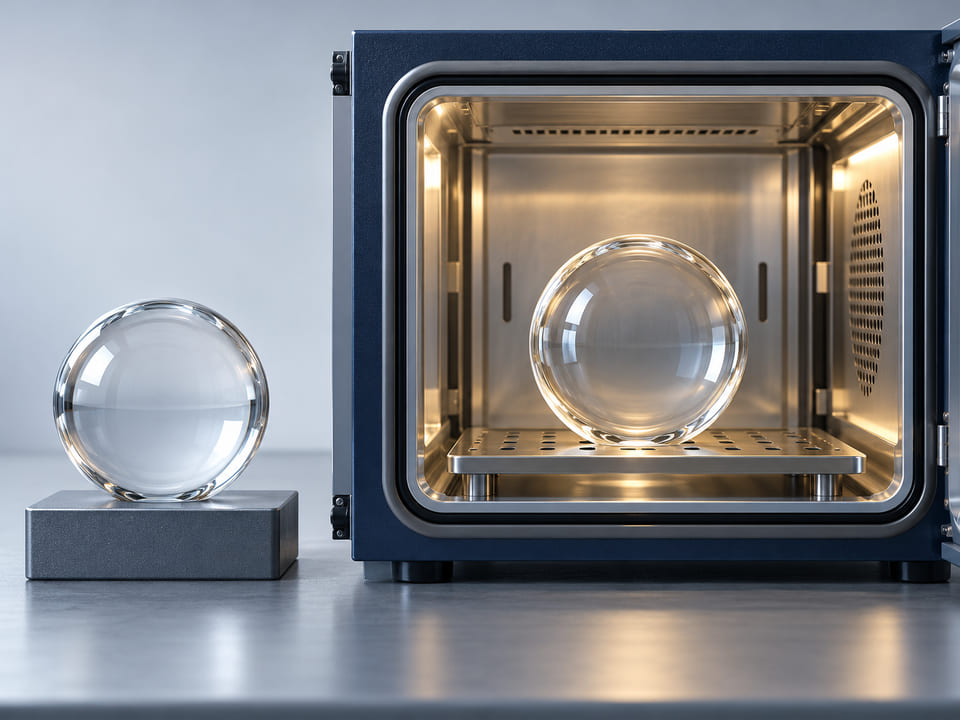
State the actual borosilicate grade where the design requires it, or describe the chemistry and thermal history for review. Include temperature changes, cleaning and contact with the surrounding housing. A published material data point can guide the assessment but does not establish a complete thermal-shock or pressure rating for an individual sphere. Where severe transitions are expected, define a relevant sample test and defect acceptance for the finished component.
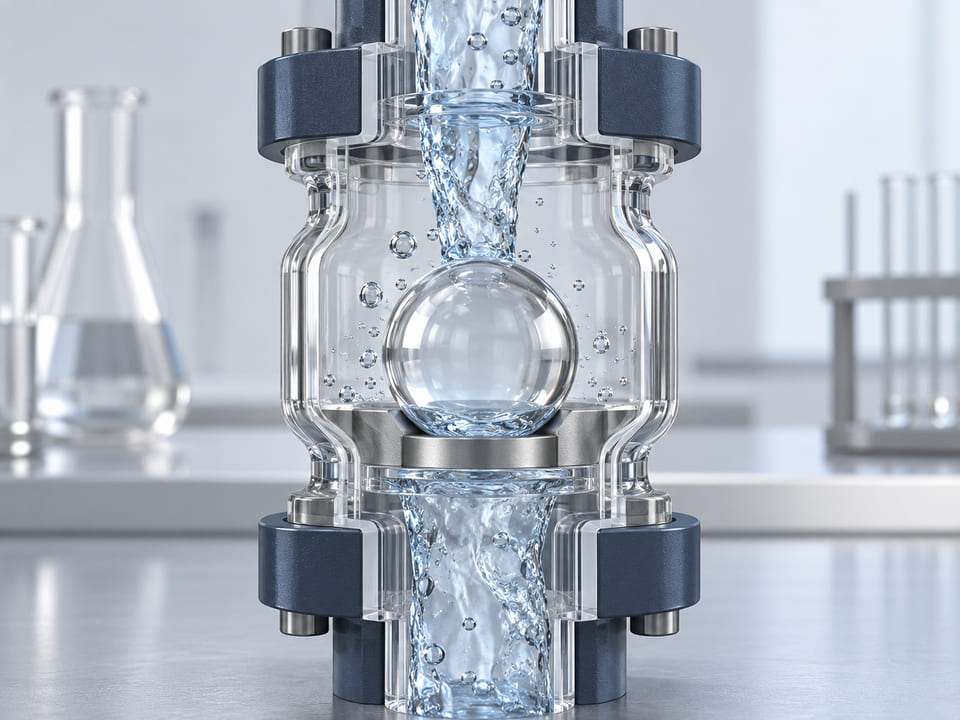
Keep sealing and visual acceptance distinct
A ball may be clear enough for observation yet fail the seat-contact requirement, or meet diameter limits while containing an unacceptable chip or inclusion. Define geometry, surface and internal defects separately, with the viewing or measuring method. For a valve or metering assembly, state the leakage and movement criterion after exposure. For optical duties, add the relevant optical specification rather than treating transparency as proof of precision lens quality.
Borosilicate Glass Balls specifications
Define the component using the requirements below. Include your target values and acceptance method; the quotation records the agreed material, geometry, inspection and supply scope.
| Requirement | What to specify | Why it matters |
|---|---|---|
| Glass grade | State composition or exact grade when required by the design. | Borosilicate is a family, not one universal service rating. |
| Thermal history | Provide operating, cleaning and transition conditions. | The sphere and installed restraint determine thermal stress. |
| Surface and internal quality | Define form, finish, chips, bubbles and inclusions. | Clear appearance does not establish precision-contact or optical acceptance. |
| Assembly outcome | Set movement, leakage or optical criteria after exposure. | Material data must be connected to the finished component's function. |
Drawing and dimensional acceptance
Provide the drawing revision and nominal dimensions with units. Identify critical form, surface and fit requirements individually; a material designation alone does not define a finished component. Where an existing sample is the reference, describe wear and confirm the intended acceptance limits.
Order and inspection scope
Separate sample quantities from production demand. State the required inspection documents, lot identification, cleanliness and packaging. Any proposed substitute or change to the component specification should be reviewed before approval, with the quotation confirming the agreed scope.
Numeric performance values, when needed, must identify their material, conditions and evidence. Typical raw-material data should not be treated as guaranteed finished-component performance.
Borosilicate Glass Balls applications
Start with the actual mechanism and exposure conditions. Each use below identifies the information needed for a useful technical review.
Laboratory fluid components
Borosilicate can be compared for a hard clear sphere in a defined laboratory liquid path. Review the glass composition against the fluid and cleaning procedure. Where the sphere forms part of a measuring or controlled-flow function, assess the assembled response instead of assuming suitability from the laboratory use of other borosilicate products.
Metering pump and valve concepts
A borosilicate sphere may be considered with a suitable seat when the material and exposure profile are attractive. Include impact and the pressure sequence in the test. Hardness and chemical durability do not establish leakage performance; the seat and ball must remain functional after the actual closing and cleaning cycle.
Thermally cycled visible assemblies
Where the component must remain visible through changing temperatures, borosilicate may offer a useful comparison with soda-lime or acrylic. Specify the transition and restraint from surrounding parts. The complete assembly can create stress that is absent from a free sphere, so evaluate the installed geometry and handling conditions.
Compare Borosilicate Glass Balls alternatives
Compare the requirement that drives the decision. A matching nominal diameter or similar appearance does not establish material or functional equivalence.
| Alternative | When to review it | Tradeoff to assess |
|---|---|---|
| Soda-lime glass | Compare conventional glass when the actual chemistry and thermal history do not require a different glass composition. | Validate the same surface, geometry and function; an economical material choice is appropriate only when it meets the component's exposure and acceptance. |
| PMMA acrylic | Review acrylic where lower mass and a different transparent-polymer balance matter more than the glass exposure profile. | Recheck cleaners, scratching and calibration; acrylic transparency does not establish the same chemical or thermal behaviour as borosilicate. |
| Ruby / sapphire | Consider a specified corundum sphere for precision contacts or optical duties that require its particular crystalline material properties. | Composition, surface and optical acceptance differ; a transparent crystal is not simply a higher-grade version of borosilicate glass. |
These links open the corresponding product pages in this collection. Final selection depends on your complete specification and the agreed validation.
Borosilicate Glass Balls FAQs
Is every borosilicate glass ball the same grade?
No. Borosilicate compositions can differ, so identify the required grade or exposure requirement. A familiar name or a clear appearance does not define composition, defect quality or thermal behaviour. The proposal should match the material evidence and finished-component acceptance relevant to the application.
Can borosilicate balls withstand any thermal shock?
No. The temperature history, sphere geometry, surface defects and restraint all matter. Define the actual heating, cooling and cleaning transitions, then validate a relevant finished-component test. Material-family thermal durability should not be turned into an unlimited thermal-shock guarantee or transferred from a different product form.
Is flat-glass technical data valid for a ball?
It can inform the material discussion when the composition is relevant, but it does not establish a sphere's geometry, defects or assembly rating. Use it as a screening reference and define the finished-ball inspection and functional test separately. Do not present a sheet or tubing temperature value as a component guarantee.
Can borosilicate replace soda-lime in a valve?
It can be compared, but the seat, movement and exposure still need validation. Specify the exact composition and ball quality, then check leakage after the actual cycle. A material-family improvement in thermal or chemical behaviour does not establish that the new sphere matches every valve contact requirement.
What should be checked on laboratory samples?
Confirm material identity, size, form, surface and internal-defect acceptance, then evaluate the actual fluid, cleaning and thermal history. If the ball participates in measurement or flow control, test the assembled response. Clear appearance alone cannot demonstrate leakage performance, calibration or optical quality.
What is needed to quote borosilicate spheres?
Provide grade or composition, geometry, finish and defect limits, quantity, fluid and thermal history. Add the seat or instrument drawing and required documents. Those inputs make the proposal reviewable without borrowing another glass manufacturer's ball range, temperature rating, stock position or delivery terms.
Request a quotation
Turn the Borosilicate Glass Balls requirements into a clear enquiry for MEITUO Balls.
- Define the material and geometry.
- Describe the application and acceptance.
- Separate sample and production demand.
The quotation confirms feasibility, supply scope, inspection documents and commercial terms. Generated illustrations are not evidence of available stock or completed validation.
Continue your material review
Engineering references and illustration notes
Material-family references support screening. The exact grade, finished geometry and application acceptance govern an actual enquiry.
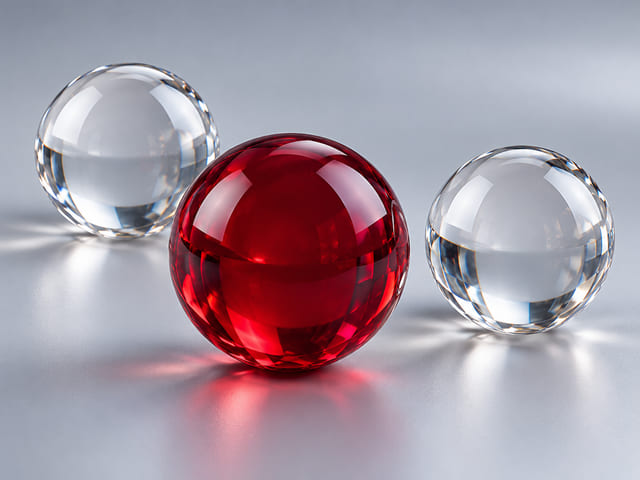
CGI illustrations explain product, application or structure concepts. They are not photographs, measured micrographs, assembly drawings or inspection results.