Solid Elastomer Balls
Solid elastomer balls are core-free rubber or silicone spheres used in suitable sealing, screening and compliant-contact applications. Their behavior depends on the actual compound, hardness, geometry and exposure conditions. Unlike rubber-coated balls, the elastomer extends through the section. Define the medium, temperature, contact cycle and acceptance method before choosing a formulation. This new range is reviewed by project, with feasibility and sample requirements confirmed before quotation.
- Material / construction
- Specified elastomer compound
- Specification basis
- Drawing, diameter & acceptance
- Order basis
- Sample & production quantities
Solid Elastomer Balls: selection overview
A solid elastomer sphere distributes deformation through its section rather than through a coating supported by a metal core. That distinction matters for mass, compression and repeated contact. Product approval should therefore identify the formulation, not just a color or a generic rubber family. Mold parting marks and surface condition can matter at a sealing band, while screening applications may focus more on repeated movement and cleaning. Do not infer a finished ball specification from a raw rubber data sheet. Define the function and evaluate the actual proposed compound and shape.
Compound selection starts with the exposure cycle
List normal process fluids, cleaning agents and occasional exposures separately. Include temperature, duration and whether the ball remains compressed between cycles. NBR, EPDM and silicone are different material families, not interchangeable versions of the same rubber. Any controlled contact requirement should name the applicable documentation and actual formulation. Color alone cannot verify identity or traceability, and a generic material compatibility table cannot establish every feature of a molded component.
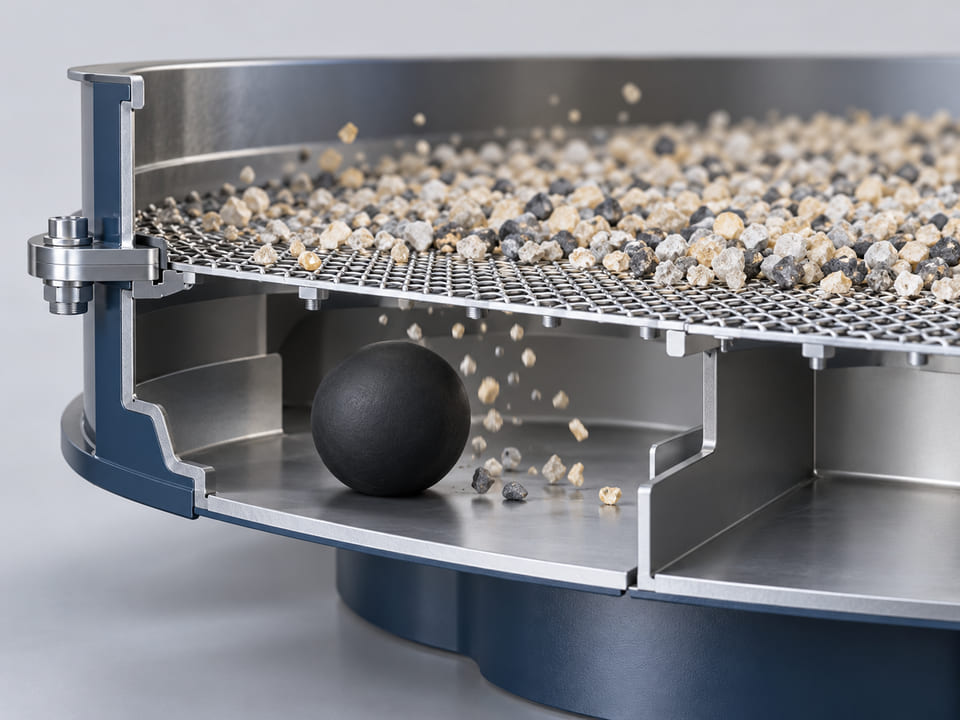
Separate free diameter from working deformation
State the free-state ball dimensions and the geometry of the surrounding seat or compartment. For a sealing contact, explain the expected compression and functional acceptance. For screen cleaning, include the compartment and mesh arrangement so that movement and surface interaction can be reviewed. Permanent deformation, swelling or abrasion can change the effective geometry over time. A useful sample plan therefore checks the real operating cycle, not just the appearance of a new uncompressed sphere.
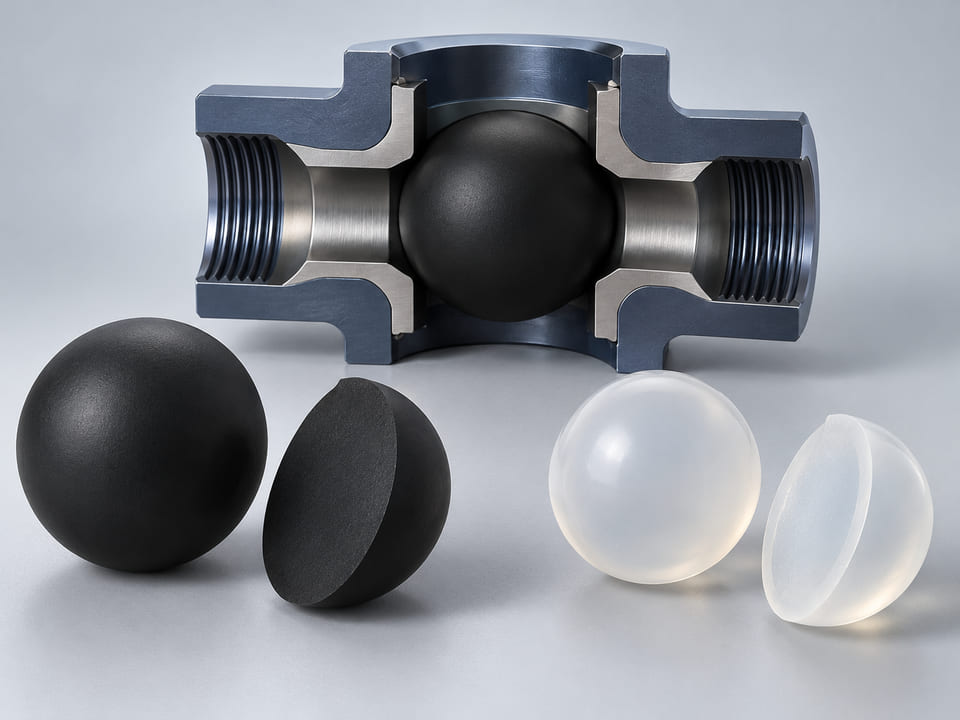
Solid Elastomer Balls specifications
Define the component using the requirements below. Include your target values and acceptance method; the quotation records the agreed material, geometry, inspection and supply scope.
| Requirement | What to specify | Why it matters |
|---|---|---|
| Formulation | Compound identifier, material family and documentation. | Generic rubber names do not establish finished-part suitability. |
| Free geometry | Diameter limits, parting line and surface criteria. | The delivered shape needs a measurable acceptance basis. |
| Working contact | Seat, compression or compartment movement. | Operating deformation differs from free-state dimensions. |
| Service validation | Medium, cleaning, aging cycle and sample acceptance. | The exact use determines the necessary qualification. |
Drawing and dimensional acceptance
Provide the drawing revision and nominal dimensions with units. Identify critical form, surface and fit requirements individually; a material designation alone does not define a finished component. Where an existing sample is the reference, describe wear and confirm the intended acceptance limits.
Order and inspection scope
Separate sample quantities from production demand. State the required inspection documents, lot identification, cleanliness and packaging. Any proposed substitute or change to the component specification should be reviewed before approval, with the quotation confirming the agreed scope.
Numeric performance values, when needed, must identify their material, conditions and evidence. Typical raw-material data should not be treated as guaranteed finished-component performance.
Solid Elastomer Balls applications
Start with the actual mechanism and exposure conditions. Each use below identifies the information needed for a useful technical review.
Screen-cleaning compartments
A solid rubber sphere can be considered as a moving element beneath a sieve where contact helps clear openings. The ball must fit the compartment and suit the process environment. Review wear, possible material transfer and the cleaning cycle before approving the compound.
Compliant sealing contacts
A core-free elastomer sphere may be reviewed where deformation is an intended part of the sealing interface. Define the seat, compression conditions and actual medium. The component needs a suitable sample test because free-state dimensions alone do not describe its working shape.
Cushioning and soft mechanical contact
A bulk elastomer sphere can provide a different contact response from metal or rigid plastic. The exact formulation and repeated cycle determine its suitability. Explain the surrounding materials and whether surface marking, residue or permanent set would affect the assembly.
Compare Solid Elastomer Balls alternatives
Compare the requirement that drives the decision. A matching nominal diameter or similar appearance does not establish material or functional equivalence.
| Alternative | When to review it | Tradeoff to assess |
|---|---|---|
| Rubber-coated metal-core balls | Consider a core-supported construction when the assembly needs a dense center and a compliant fluid-facing exterior. | The added core changes mass and stiffness; it is not equivalent to a uniform solid elastomer section. |
| Polyurethane balls | Review polyurethane when a specific elastomeric wear and mechanical contact requirement makes that compound family relevant. | Polyurethane must still be selected by formulation and exposure; generic rubber suitability cannot be transferred. |
| PTFE balls | Compare a fluoropolymer when fluid compatibility and low-friction contact are priorities rather than bulk elastic recovery. | PTFE is a thermoplastic with different deformation behavior and does not replicate rubber elasticity. |
These links open the corresponding product pages in this collection. Final selection depends on your complete specification and the agreed validation.
Solid Elastomer Balls FAQs
Does solid mean there is no metal core?
Yes. This proposed range uses a continuous elastomer section rather than a coated metal center. Verify the quoted construction and compound when comparing alternatives. A core-free ball can behave differently from a coated ball even when diameter and exterior color appear similar.
Are silicone and EPDM interchangeable?
No. They are different compound families with different behavior under fluids, temperature and contact. Provide the full service cycle and applicable documentation requirements. The final choice should identify the actual formulation and use appropriate sample validation rather than relying on the family name alone.
Can I choose a hardness value?
You can state a target hardness and its required test method as part of the specification. It must be considered with compound, dimensions, contact geometry and exposure. Similar hardness readings do not establish identical elasticity, chemical compatibility or long-term recovery in the actual device.
Can these balls be used beneath a sieve?
That is an application to review, provided the compartment geometry, process material and cleaning cycle are defined. Confirm wear and any material-transfer limits that matter to the process. A general screen-cleaning concept is not approval for every powder, liquid or controlled-contact environment.
Why is the molded surface important?
A parting line or local surface mark may affect a narrow sealing contact or cause unwanted marking. Define the critical contact area and the permissible condition. Cosmetic and functional acceptance can differ, so a representative visual reference should accompany measurable requirements where needed.
Is this range already qualified for my industry?
Qualification must be established for the specified compound and application. This is a project-review range, with feasibility and sample evidence confirmed before quotation. Provide the applicable requirements early so that documentation, validation responsibilities and component acceptance can be assessed together.
Request a quotation
Turn the Solid Elastomer Balls requirements into a clear enquiry for MEITUO Balls.
- Define the material and geometry.
- Describe the application and acceptance.
- Separate sample and production demand.
The quotation confirms feasibility, supply scope, inspection documents and commercial terms. Generated illustrations are not evidence of available stock or completed validation.
Continue your material review
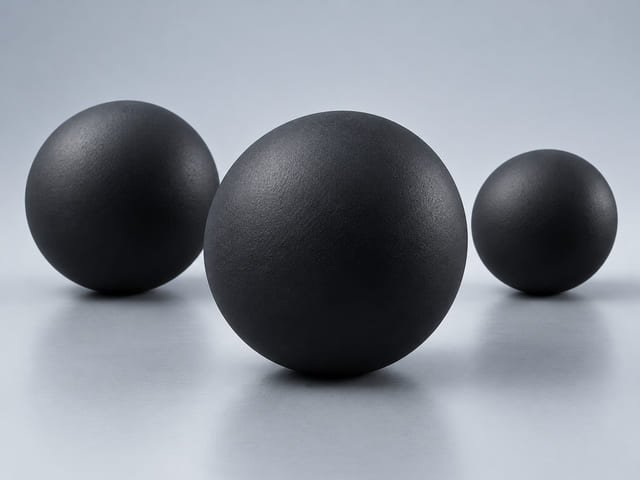
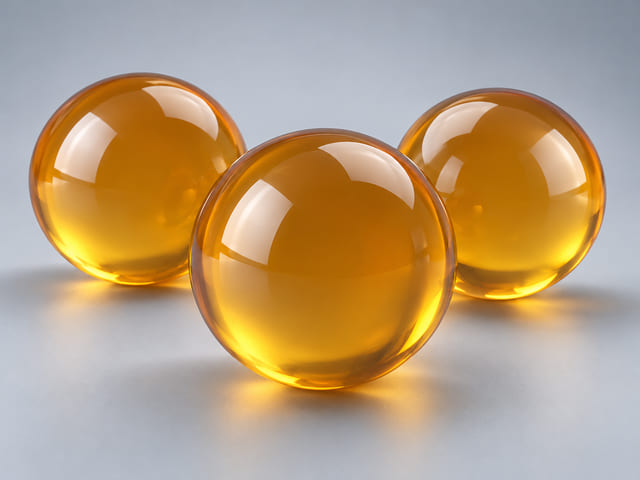
Engineering references and illustration notes
Material-family references support screening. The exact grade, finished geometry and application acceptance govern an actual enquiry.
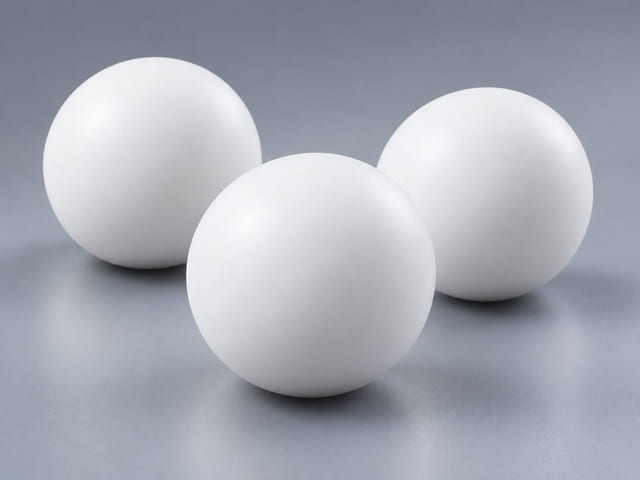
CGI illustrations explain product, application or structure concepts. They are not photographs, measured micrographs, assembly drawings or inspection results.