Polyurethane Balls
Polyurethane balls are elastic polymer spheres considered for cushioning, wear contact and selected sealing or cleaning mechanisms. Their response depends on formulation, hardness, temperature and exposure, so PUR should not be treated as a single fixed material. Define solid construction, compound chemistry, diameter, hardness test, compression cycle, working medium and acceptable recovery before selecting a polyurethane ball for the assembly.
- Material / construction
- Polyurethane formulation; chemistry and hardness specified
- Specification basis
- Drawing, diameter & acceptance
- Order basis
- Sample & production quantities
Polyurethane Balls: selection overview
Polyurethane covers a broad family whose mechanical response can differ substantially between formulations. A hard wear-resistant sphere and a softer cushioning sphere are different specification problems even if both are called PUR. Polyester and polyether systems also need separate exposure review, especially where moisture or hydrolysis is relevant. Do not transfer a TPU data sheet to an unspecified cast polyurethane component. Identify the proposed chemistry and route, then connect hardness, recovery and surface condition to the actual function. Amber or black colour is a visual choice, not an identification test.
Specify compound chemistry with hardness
Hardness is useful only when its scale, conditioning and test method are defined. Two compounds with the same nominal hardness can differ in rebound, abrasion and resistance to the working fluid. State whether thermoplastic or thermoset polyurethane is required, and identify polyester or polyether chemistry where the design depends on it. A supplier should propose a traceable compound for approval rather than using an isolated hardness value as the entire material specification.
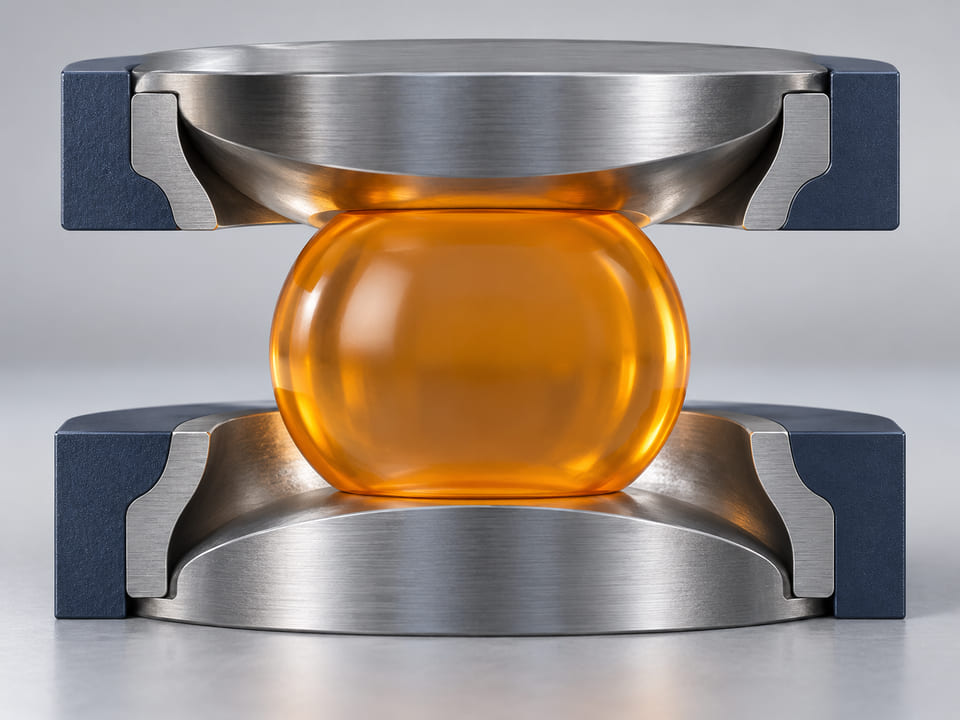
Validate compression and recovery over the duty cycle
Describe the maximum deflection, contact shape, dwell and repetition rate. An elastomeric sphere changes its contact patch under load, which can be useful for cushioning or sealing but can also increase friction and heat. Measure recovery after representative service exposure, including moisture and temperature. For cyclic duties, record damage, permanent change and functional behaviour; a single hand-squeeze demonstration cannot establish endurance or compression-set performance.
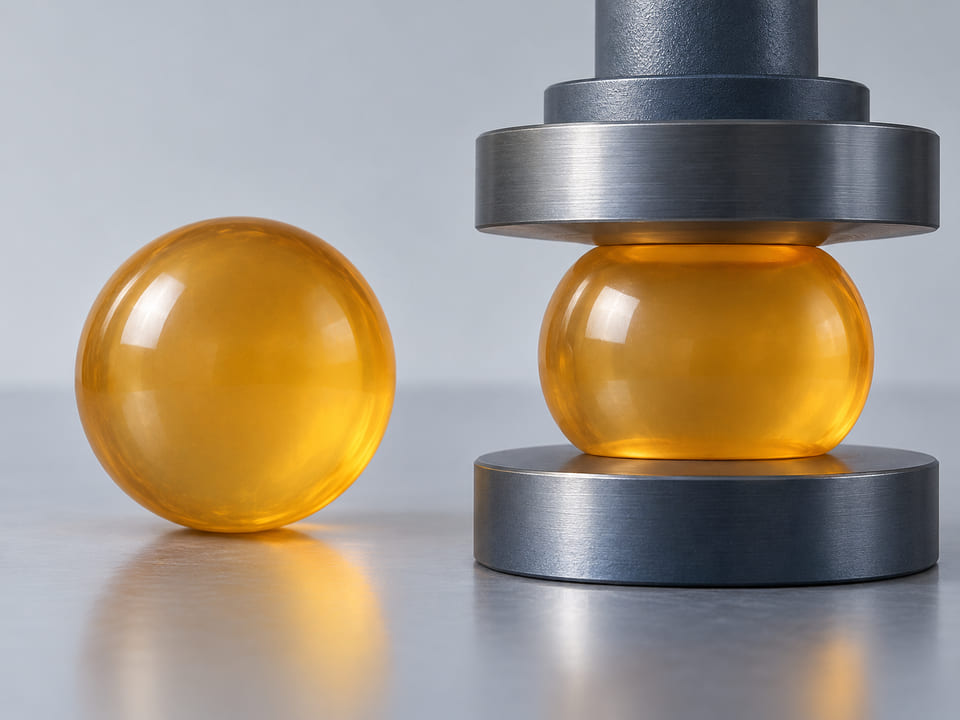
Polyurethane Balls specifications
Define the component using the requirements below. Include your target values and acceptance method; the quotation records the agreed material, geometry, inspection and supply scope.
| Requirement | What to specify | Why it matters |
|---|---|---|
| Formulation and route | Specify thermoplastic or thermoset PUR and chemistry where relevant. | A generic polyurethane label does not identify moisture, recovery or wear behaviour. |
| Hardness method | State the scale, conditioning and acceptable measurement method. | Hardness values from different methods cannot be treated as interchangeable. |
| Compression cycle | Define deflection, dwell, repetition and permitted recovery change. | The sphere's functional contact depends on how it deforms over time. |
| Exposure and handling | Provide fluids, moisture, temperature and storage requirements. | Chemical or hydrolytic ageing can change performance before visible damage appears. |
Drawing and dimensional acceptance
Provide the drawing revision and nominal dimensions with units. Identify critical form, surface and fit requirements individually; a material designation alone does not define a finished component. Where an existing sample is the reference, describe wear and confirm the intended acceptance limits.
Order and inspection scope
Separate sample quantities from production demand. State the required inspection documents, lot identification, cleanliness and packaging. Any proposed substitute or change to the component specification should be reviewed before approval, with the quotation confirming the agreed scope.
Numeric performance values, when needed, must identify their material, conditions and evidence. Typical raw-material data should not be treated as guaranteed finished-component performance.
Polyurethane Balls applications
Start with the actual mechanism and exposure conditions. Each use below identifies the information needed for a useful technical review.
Cushioning and non-critical stops
A polyurethane sphere can provide a compliant contact in a suitably designed stop or buffer. Define the energy and repeated deflection rather than specifying hardness alone. Check the retained geometry and surrounding clearance so the sphere does not become trapped, cut or permanently distorted during the operating cycle.
Wear-contact components
PUR may be considered where abrasion and resilient contact must be balanced against a mating surface. Review the actual counterface, debris and movement. Comparative wear results are useful only when test conditions are relevant to the mechanism; a generic abrasion claim cannot identify the best compound for every sliding or rolling duty.
Selected valve or cleaning mechanisms
A compliant ball may be reviewed for a compatible seat or a cleaning function that needs elastic recovery. Include the liquid, cleaning chemicals and storage exposure in the compound review. Distinguish an all-polyurethane sphere from a metal-cored rubber-coated ball, because mass and deformation differ significantly.
Compare Polyurethane Balls alternatives
Compare the requirement that drives the decision. A matching nominal diameter or similar appearance does not establish material or functional equivalence.
| Alternative | When to review it | Tradeoff to assess |
|---|---|---|
| Solid elastomer alternatives | Compare a named rubber formulation when the fluid, temperature or compression behaviour requires a different elastic material family. | Use compound-specific evidence and a comparable recovery test; elastomer names alone do not establish equivalent hardness, sealing or endurance. |
| Rubber-coated composite balls | Review a coated core when the design needs resilient surface contact together with a different moving mass or retained structural core. | Coating thickness, bonding and core integrity become additional requirements, so a coated sphere is not equivalent to solid polyurethane. |
| POM / acetal | Compare acetal when repeatable rigid geometry is more important than cushioning or large elastic deflection in the mechanism. | The loss of compliance changes the contact stress and operating feel; validate the mating part instead of matching diameter only. |
These links open the corresponding product pages in this collection. Final selection depends on your complete specification and the agreed validation.
Polyurethane Balls FAQs
Are PUR and TPU balls identical?
No. TPU is thermoplastic polyurethane, while polyurethane products may also use thermoset formulations and different processing routes. Identify the compound and required behaviour explicitly. A TPU reference should not be treated as the guarantee for an unspecified cast sphere or a different polyurethane chemistry.
Is hardness enough to specify polyurethane balls?
No. Include the hardness scale and method, but also define recovery, wear, fluid exposure and duty cycle. Compounds with similar hardness can behave differently in rebound, moisture or abrasion. The final approval should test the property that matters to the actual assembly rather than rely on one number.
Can polyurethane balls be used in water?
Review the exact chemistry, temperature and exposure duration. Polyester and polyether formulations may respond differently, and water resistance cannot be assumed from the PUR family name. Include cleaning and storage conditions, then check recovery and visible or mechanical changes after a representative exposure.
What is the difference from rubber-coated balls?
A solid polyurethane sphere is elastic throughout its body, while a coated sphere contains a separate core and bonded surface layer. Their moving mass, contact deformation and failure modes differ. Specify the construction explicitly so the quotation and sample test address the intended design.
How should cushioning samples be assessed?
Use the real or representative contact shape and load cycle. Record deflection, rebound, heat, surface damage and permanent change after recovery. Include environmental ageing where relevant. A brief manual compression can demonstrate softness but cannot establish durability or consistent function over repeated operating cycles.
What affects a polyurethane ball quote?
The compound, hardness, diameter, recovery requirement, quantity and processing route influence review. Include any moulding mark or surface-defect restrictions and the intended exposure. A precise functional brief is more useful than a request for generic rubber-like balls, and commercial terms require confirmation against that agreed specification.
Request a quotation
Turn the Polyurethane Balls requirements into a clear enquiry for MEITUO Balls.
- Define the material and geometry.
- Describe the application and acceptance.
- Separate sample and production demand.
The quotation confirms feasibility, supply scope, inspection documents and commercial terms. Generated illustrations are not evidence of available stock or completed validation.
Continue your material review
Engineering references and illustration notes
Material-family references support screening. The exact grade, finished geometry and application acceptance govern an actual enquiry.
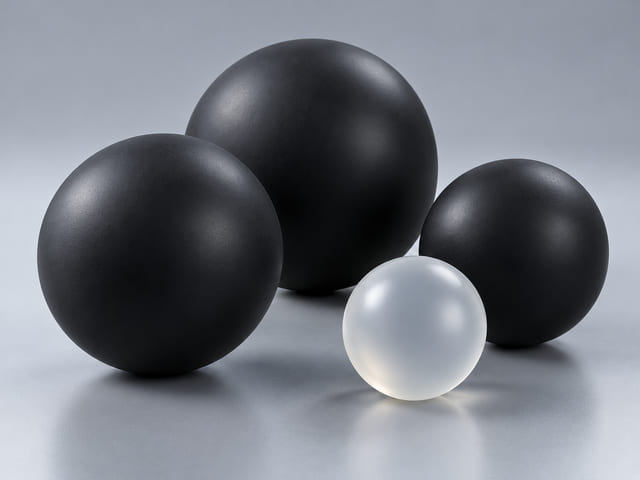
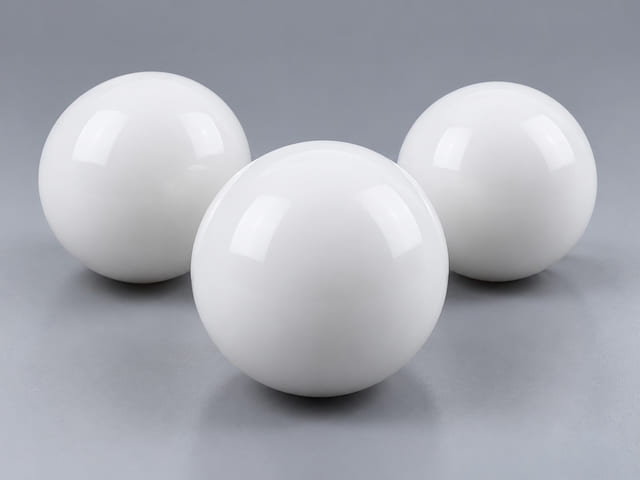
CGI illustrations explain product, application or structure concepts. They are not photographs, measured micrographs, assembly drawings or inspection results.