UHMWPE Balls
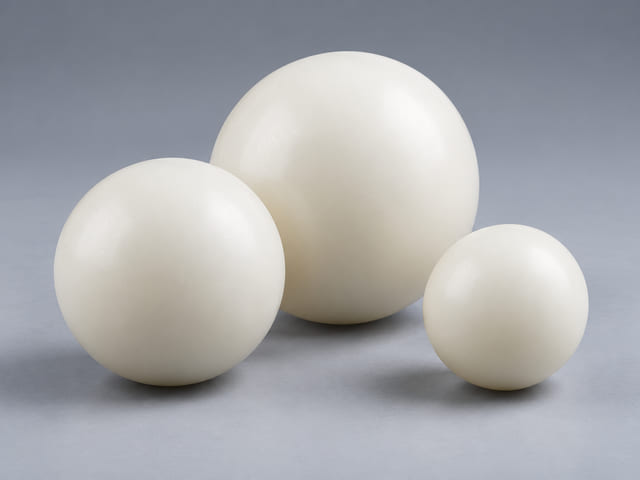
UHMWPE balls are ultra-high-molecular-weight polyethylene spheres considered for low-load wear contacts, impact-tolerant components and compatible fluid mechanisms. They extend the polyethylene material discussion beyond standard HDPE, but wear resistance does not establish stiffness or a precision-bearing rating. Specify grade, production route, diameter, contact load, temperature, mating surface and acceptable deformation before approving a UHMWPE ball for the assembly.
- Material / construction
- Ultra-high-molecular-weight polyethylene; exact grade and route specified
- Specification basis
- Drawing, diameter & acceptance
- Order basis
- Sample & production quantities
UHMWPE Balls: selection overview
UHMWPE is useful to compare when abrasion or impact is the reason a standard polyethylene part is being reconsidered. Its molecular-weight family does not identify a dimensional grade, and an excellent wear result in one contact cannot be transferred to every sliding or rolling mechanism. Sustained deformation, machining response and surface acceptance still matter. Keep the comparison focused on the actual failure: replacing a worn ball with UHMWPE may help a particular contact, while a design limited by stiffness, heat or tight running clearance may need another material or geometry.
Compare wear using the actual counterface
Define the mating surface, contact mode, contamination and motion cycle. Abrasion, sliding wear and repeated impact describe different conditions, so a single favourable material property cannot predict the complete result. State the permitted change in size or surface and test samples using a representative counterface. Where debris could contaminate the process, include its acceptance explicitly. This makes a comparison with HDPE or acetal technically meaningful rather than a broad ranking based on material names.
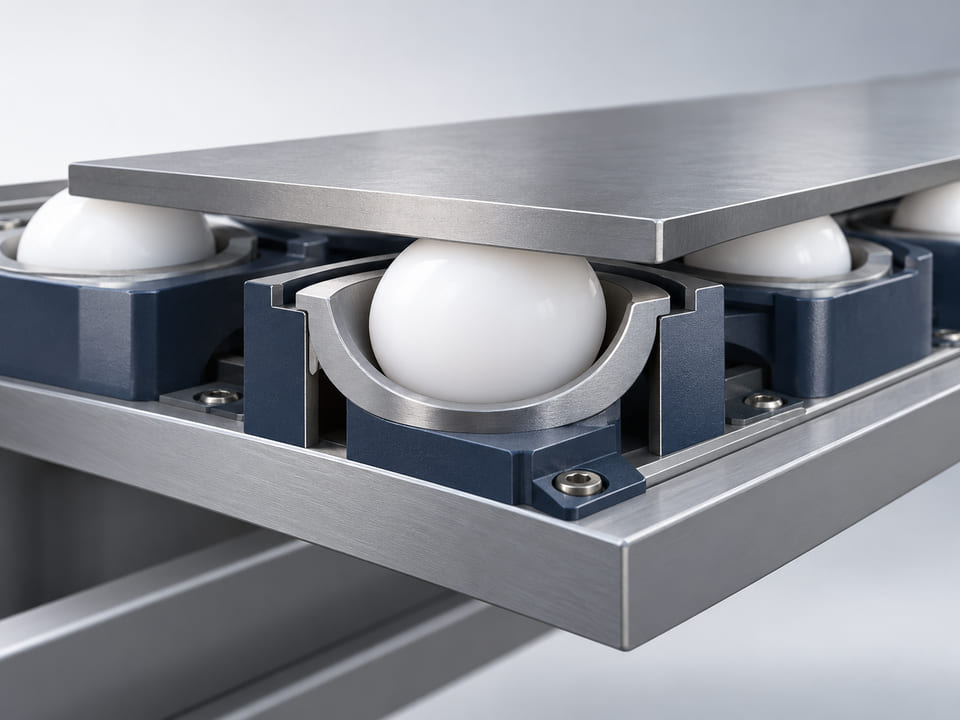
Control deformation as well as initial geometry
Specify the load, temperature and longest loaded dwell, then determine how much shape change the mechanism can tolerate. A ball may meet a precise initial diameter yet lose useful clearance or seating behaviour during sustained contact. Agree inspection conditions and a post-dwell functional check. For a machined sphere, review the proposed material and finishing route with the sample requirements so geometry and surface are assessed on the finished component rather than inferred from stock-shape data.
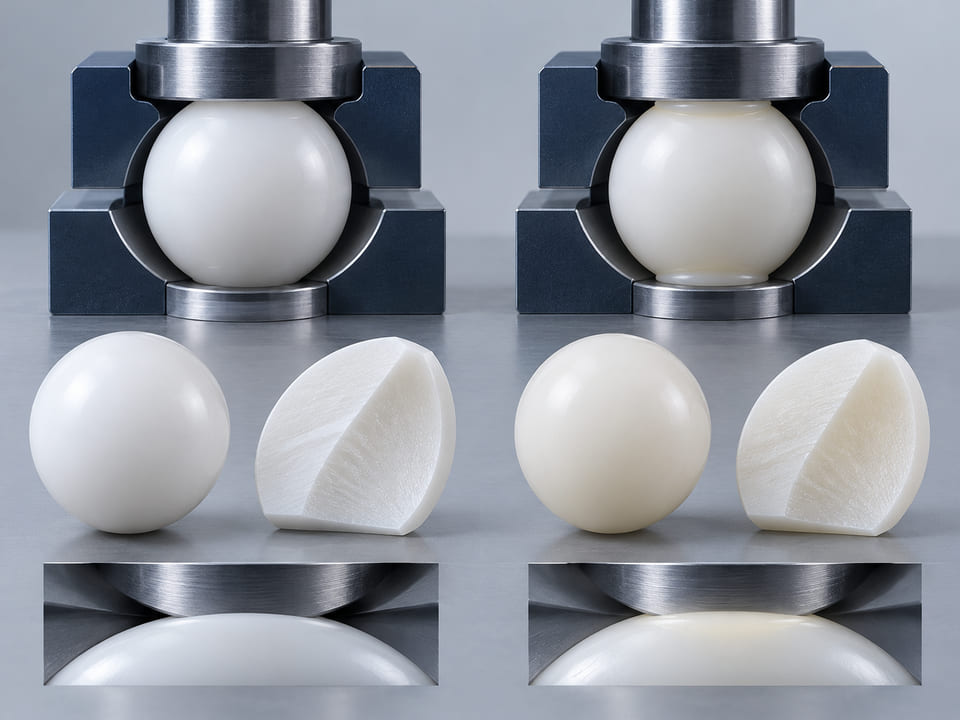
UHMWPE Balls specifications
Define the component using the requirements below. Include your target values and acceptance method; the quotation records the agreed material, geometry, inspection and supply scope.
| Requirement | What to specify | Why it matters |
|---|---|---|
| UHMWPE grade | Identify the exact resin or stock material and proposed finishing route. | Molecular-weight family does not establish a finished-ball precision class. |
| Wear test basis | State counterface, motion, contamination and permitted loss. | Wear comparisons only have meaning under relevant contact conditions. |
| Loaded geometry | Define initial and post-dwell size or functional acceptance. | Sustained deformation can matter even when the new ball passes inspection. |
| Environment | Include fluid, cleaning, temperature and exposure duration. | Polyethylene compatibility and deformation depend on the combined operating condition. |
Drawing and dimensional acceptance
Provide the drawing revision and nominal dimensions with units. Identify critical form, surface and fit requirements individually; a material designation alone does not define a finished component. Where an existing sample is the reference, describe wear and confirm the intended acceptance limits.
Order and inspection scope
Separate sample quantities from production demand. State the required inspection documents, lot identification, cleanliness and packaging. Any proposed substitute or change to the component specification should be reviewed before approval, with the quotation confirming the agreed scope.
Numeric performance values, when needed, must identify their material, conditions and evidence. Typical raw-material data should not be treated as guaranteed finished-component performance.
UHMWPE Balls applications
Start with the actual mechanism and exposure conditions. Each use below identifies the information needed for a useful technical review.
Low-load transfer and guide contacts
UHMWPE may be reviewed where wear, quiet movement and impact tolerance are useful in a lightly loaded guide. Confirm whether the contact rolls freely or slides when contaminated. Test the complete support and clearance because a sphere's favourable wear profile does not remove the risk of deformation under a stationary load.
Impact-tolerant mechanisms
In a non-critical mechanism that needs a tough polymer contact, UHMWPE can be compared with other plastics. Define impact geometry, repetition and allowed permanent change. A material that resists visible fracture may still deform enough to alter fit, so dimensional recovery and function belong in the acceptance test.
Compatible fluid components
A UHMWPE sphere can be considered for selected fluid-contact duties where polyethylene compatibility and low mass are relevant. Review the complete medium and cleaning cycle, then validate movement or closure. The sphere's low-load wear positioning should not be confused with a pressure or high-temperature service rating.
Compare UHMWPE Balls alternatives
Compare the requirement that drives the decision. A matching nominal diameter or similar appearance does not establish material or functional equivalence.
| Alternative | When to review it | Tradeoff to assess |
|---|---|---|
| HDPE | Compare standard HDPE when the low-load fluid or buoyancy requirement is already met and additional wear performance is not a demonstrated need. | Use the same counterface and acceptance test before justifying a material change; a higher molecular-weight label is not a universal functional upgrade. |
| POM / acetal | Review acetal when stiffness, fit and repeatable positioning matter more than the particular impact and abrasion balance sought from UHMWPE. | Recheck fluid chemistry and wear; a more rigid contact can change noise, friction and the mating surface's stress. |
| PA6 / PA66 nylon | Consider nylon where toughness and a different mechanical contact response are useful and conditioning can be managed in the design. | Moisture-driven dimensional change introduces another control variable, so compare the materials after the actual environmental exposure. |
These links open the corresponding product pages in this collection. Final selection depends on your complete specification and the agreed validation.
UHMWPE Balls FAQs
Is UHMWPE the same as HDPE?
No. They belong to the polyethylene family but differ in molecular-weight range and material behaviour. UHMWPE is commonly compared when wear or impact matters, while the finished sphere still needs its own geometry, load and environmental acceptance. Do not infer a precision class from the material designation.
Are UHMWPE balls suitable for precision bearings?
They should not be treated as general replacements for hardened steel rolling elements. UHMWPE is considered for specific low-load contacts and fluid mechanisms. Define the actual load, speed, race or support geometry and life requirement, then validate deformation and wear before approving a bearing-like application.
Will UHMWPE solve a wear problem?
It may be a useful candidate, but the counterface, contact mode and contamination determine the result. Identify the current wear mechanism and compare samples under the same conditions. A change that improves abrasion may still create too much deformation or alter friction in the surrounding assembly.
Can UHMWPE balls remain under load?
Assess dwell, temperature, contact shape and allowed change together. Like other polymers, UHMWPE can deform over time. If a sphere remains seated or trapped under a stationary load, include a post-dwell dimensional and functional check rather than relying only on its initial unloaded geometry.
How should fluid compatibility be confirmed?
Provide the fluid or mixture, concentration, temperature, cleaning agents and exposure duration. Review the exact grade and test representative samples where needed. Low moisture uptake does not establish compatibility with every chemical, and a material screen does not replace a valve movement or leakage test.
What should a UHMWPE enquiry include?
Include material identity, diameter and form, quantity, counterface, motion, load, dwell and environment. Describe the current wear or impact issue and the acceptable change after testing. These inputs make the comparison with HDPE, nylon or acetal useful and establish a clear basis for sample and commercial review.
Request a quotation
Turn the UHMWPE Balls requirements into a clear enquiry for MEITUO Balls.
- Define the material and geometry.
- Describe the application and acceptance.
- Separate sample and production demand.
The quotation confirms feasibility, supply scope, inspection documents and commercial terms. Generated illustrations are not evidence of available stock or completed validation.
Continue your material review
Engineering references and illustration notes
Material-family references support screening. The exact grade, finished geometry and application acceptance govern an actual enquiry.
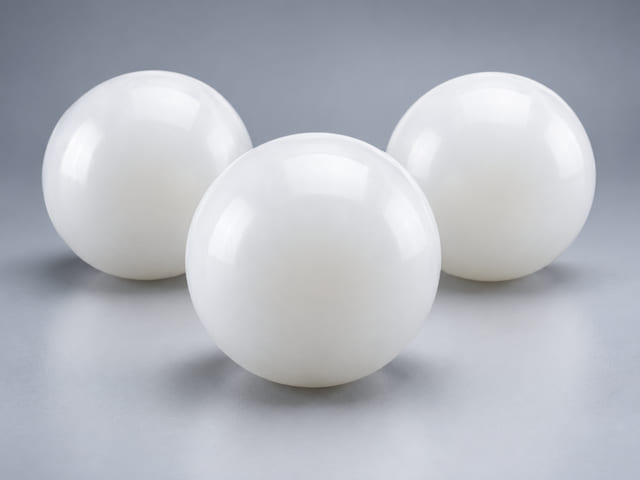
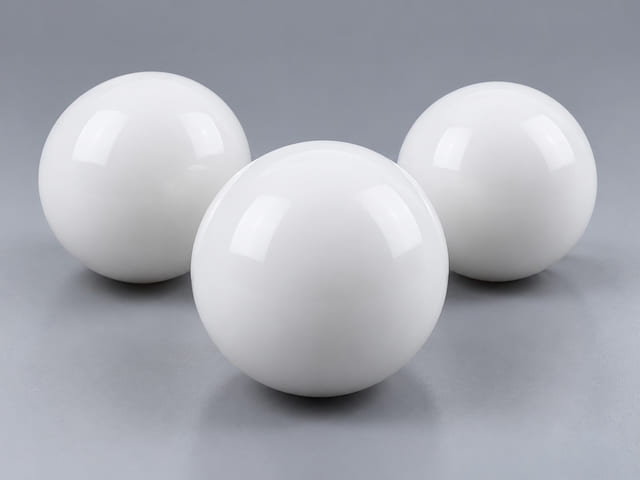
CGI illustrations explain product, application or structure concepts. They are not photographs, measured micrographs, assembly drawings or inspection results.