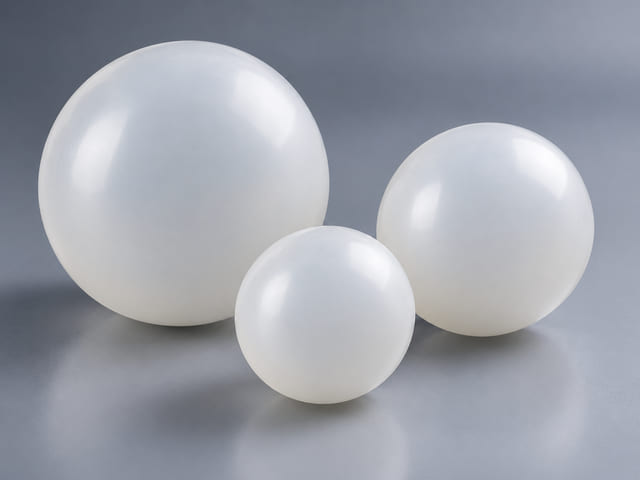
PA6 / PA66 Nylon Balls
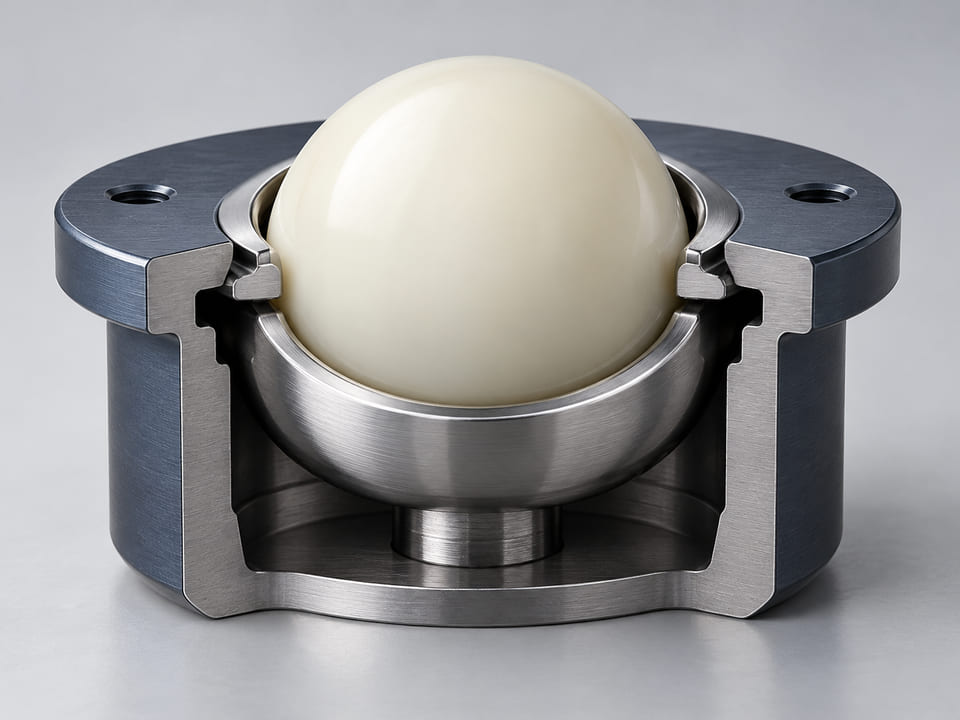
Nylon balls are solid polyamide spheres used in light-duty mechanisms, fluid indicators and selected valve assemblies. PA6 and PA66 offer related but distinct processing and thermal characteristics, while absorbed moisture can change dimensions and stiffness. Specify the exact nylon grade, conditioning state, diameter, contact load and working fluid before comparing quotations or approving a replacement for a metal or acetal ball.
- Material / construction
- PA6 or PA66 polyamide, grade and conditioning specified
- Specification basis
- Drawing, diameter & acceptance
- Order basis
- Sample & production quantities
PA6 / PA66 Nylon Balls: selection overview
Nylon is useful when a mechanism needs a tough contact surface with less impact noise and mass than a metal sphere. Its key purchasing challenge is dimensional control across humidity changes. A ball accepted in a dry inspection room can behave differently after storage or immersion. PA6 and PA66 should therefore remain separate grade choices within one product family, with their own material documents and conditioning requirements. Neither a white colour nor a nominal diameter identifies the compound, and a polished appearance does not establish bearing fatigue capability.
PA6 vs PA66: specify the actual grade
Both grades are polyamides, but their melting behaviour, stiffness and conditioning response are not identical. A drawing that names PA66 should not be fulfilled by an unspecified nylon merely because the ball fits at room temperature. Identify unfilled or modified material, colourant restrictions and the property that drove the selection. Ask for the proposed grade document before sampling; this makes any substitution a visible engineering decision rather than an unnoticed procurement change.
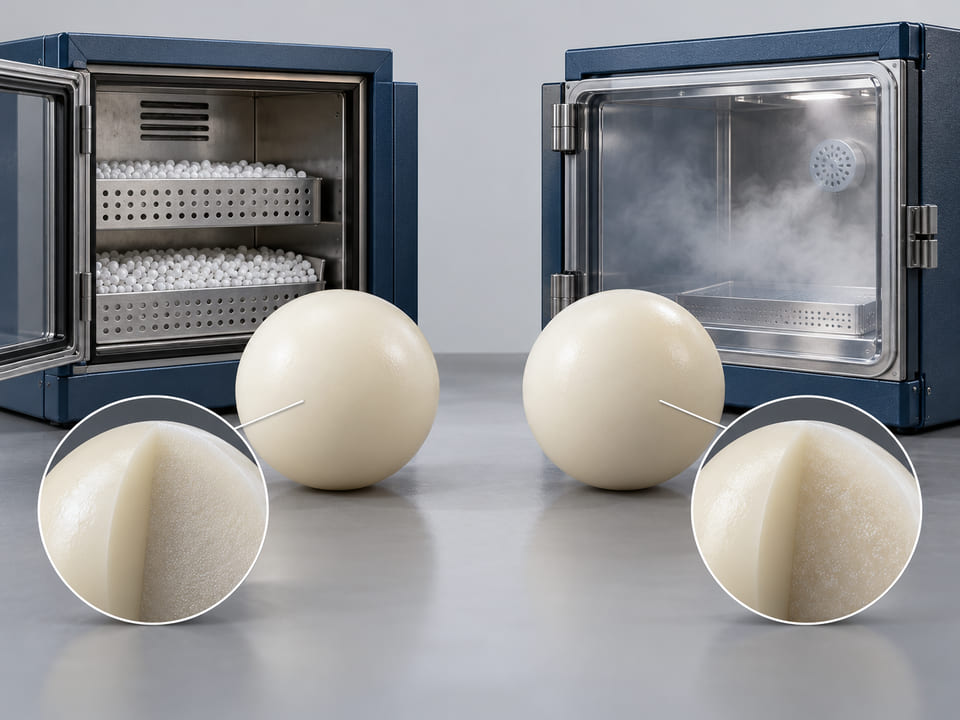
Condition dimensions for the working environment
Define whether the dimensional requirement applies dry, after agreed conditioning, or after representative fluid exposure. Include the measurement temperature and the contact force used by the gauge because a compliant polymer can be distorted during inspection. For a close-running seat or socket, evaluate clearance after both storage and operating exposure. This connects the ball tolerance to actual assembly function and avoids paying for a tight dry tolerance that the service environment cannot preserve.
PA6 / PA66 Nylon Balls specifications
Define the component using the requirements below. Include your target values and acceptance method; the quotation records the agreed material, geometry, inspection and supply scope.
| Requirement | What to specify | Why it matters |
|---|---|---|
| Polyamide identity | State PA6 or PA66, grade and any filler or colourant restriction. | These choices control the material review and prevent an unapproved nylon substitution. |
| Conditioning state | Define dry, conditioned or immersed acceptance and the associated method. | Moisture content can influence both size and mechanical behaviour. |
| Contact acceptance | Specify diameter limits, measuring force and mating clearance. | A meaningful inspection limit must reflect how the sphere functions in the socket or seat. |
| Exposure cycle | Include fluid, humidity, cleaning, temperature and duration. | An acceptable short dry test may not represent long immersion or repeated cleaning. |
Drawing and dimensional acceptance
Provide the drawing revision and nominal dimensions with units. Identify critical form, surface and fit requirements individually; a material designation alone does not define a finished component. Where an existing sample is the reference, describe wear and confirm the intended acceptance limits.
Order and inspection scope
Separate sample quantities from production demand. State the required inspection documents, lot identification, cleanliness and packaging. Any proposed substitute or change to the component specification should be reviewed before approval, with the quotation confirming the agreed scope.
Numeric performance values, when needed, must identify their material, conditions and evidence. Typical raw-material data should not be treated as guaranteed finished-component performance.
PA6 / PA66 Nylon Balls applications
Start with the actual mechanism and exposure conditions. Each use below identifies the information needed for a useful technical review.
Light-duty rolling and indexing
Nylon can be considered for quiet, intermittent motion in guides or indexing mechanisms where a hard steel contact is unnecessary. Validate wear against the actual mating surface rather than treating nylon as a universal bearing replacement. Friction, dirt and a stalled contact can affect the result even when the average load appears small.
Fluid indicators and special valves
A nylon sphere may provide a non-metallic moving element in a compatible liquid circuit. Moisture uptake, fluid density and the seat geometry all affect movement or closing behaviour. Qualification should cover the cleaning fluid as well as the process fluid, particularly when the component is left immersed between operating cycles.
Switches and actuator assemblies
Where electrical insulation and low moving mass are useful, nylon can form a small contact or locating element. Specify the complete electrical environment and any lubricant. A material description alone does not establish an insulation rating for the finished switch, especially after humidity, contamination or repeated surface wear.
Compare PA6 / PA66 Nylon Balls alternatives
Compare the requirement that drives the decision. A matching nominal diameter or similar appearance does not establish material or functional equivalence.
| Alternative | When to review it | Tradeoff to assess |
|---|---|---|
| POM / acetal | Compare acetal when moisture-driven dimensional change is the limiting issue in a small clearance or repeatable indexing position. | The replacement still needs its own fluid, wear and thermal review; matching the initial diameter does not establish equivalent friction or life. |
| PEEK | Review PEEK when the combined temperature, contact and fluid conditions exceed the validated envelope of the proposed nylon grade. | Higher material cost should be justified by a defined operating requirement and finished-component validation, rather than a general premium-material preference. |
| PP | Review polypropylene for light fluid-service duties where chemistry and buoyancy matter more than a comparatively stiff mechanical contact. | Reassess deformation and seat behaviour because a lighter polymer option may change the closing force and working clearance. |
These links open the corresponding product pages in this collection. Final selection depends on your complete specification and the agreed validation.
PA6 / PA66 Nylon Balls FAQs
Are PA6 and PA66 balls interchangeable?
They should not be treated as automatic substitutes. Select the exact grade using the thermal and mechanical requirements, then approve its conditioning and dimensional response. A replacement should preserve the required assembly function after representative exposure, not simply match the ball diameter when delivered.
Will nylon balls change size in water?
Moisture uptake can change dimensions and stiffness. Define the conditioning or immersion state relevant to your mechanism, and measure samples after that exposure. The important result is whether the working clearance and functional behaviour remain acceptable, rather than a generic water-absorption statement.
Can nylon replace steel bearing balls?
Only an application-specific redesign can establish that. Nylon is considered for light-duty motion and damping, while steel rolling elements address different contact and fatigue requirements. Provide the load, speed, race geometry and service life before treating the materials as alternatives.
Are nylon balls suitable for chemicals?
Some fluids are compatible and others are unsuitable. Supply the complete medium, concentration, temperature and cleaning cycle so the proposed grade can be checked. A broad statement that nylon does not rust says nothing about swelling, softening or chemical degradation in your process.
How should nylon ball samples be checked?
Check grade identity, dimensions under the agreed conditioning state, surface defects and performance in the real mating assembly. Include humidity or immersion stages if they occur in service. A dry inspection alone can miss the dimensional change that causes a close-fitting mechanism to bind.
What drives the nylon ball quotation?
Grade, diameter, dimensional acceptance, surface requirements, quantity and conditioning all influence the quotation review. Include whether material documents, colour matching or special packing are required. Commercial terms should be confirmed for the actual specification rather than inferred from another polymer or diameter.
Request a quotation
Turn the PA6 / PA66 Nylon Balls requirements into a clear enquiry for MEITUO Balls.
- Define the material and geometry.
- Describe the application and acceptance.
- Separate sample and production demand.
The quotation confirms feasibility, supply scope, inspection documents and commercial terms. Generated illustrations are not evidence of available stock or completed validation.
Continue your material review
Engineering references and illustration notes
Material-family references support screening. The exact grade, finished geometry and application acceptance govern an actual enquiry.
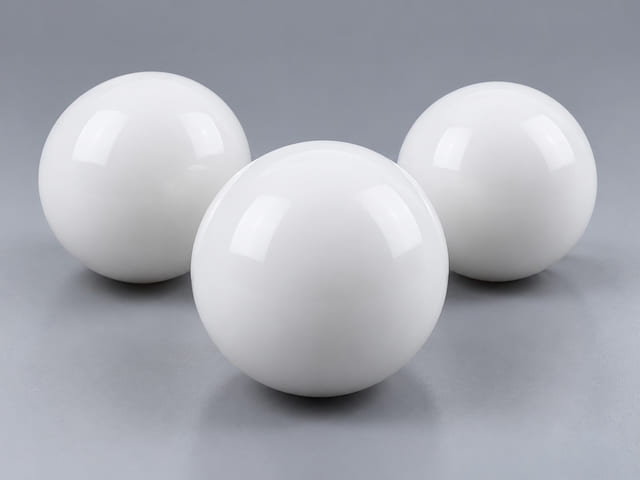
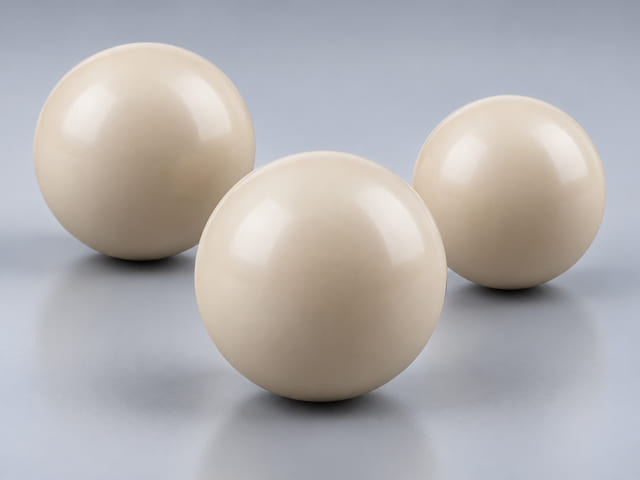
CGI illustrations explain product, application or structure concepts. They are not photographs, measured micrographs, assembly drawings or inspection results.