AISI 1010/1015 Carbon Steel Balls
AISI 1010/1015 carbon steel balls are low-carbon steel spheres considered for economical mechanical assemblies, light rolling contacts and hardware. When supplied case-hardened, they combine a wear-resistant outer layer with a softer interior. Identify the exact grade and treatment before comparing quotations: case depth, surface hardness, ball geometry and corrosion protection affect performance, while the material name alone does not establish a bearing rating.
- Material / construction
- AISI 1010 or 1015 low-carbon steel; treatment specified separately
- Specification basis
- Drawing, diameter & acceptance
- Order basis
- Sample & production quantities
AISI 1010/1015 Carbon Steel Balls: selection overview
The useful distinction is the condition of the finished ball. Case-hardened low-carbon balls and soft unhardened balls may start from related steels but serve different jobs. The hardened case supports surface contact; the interior retains a different response to deformation. AISI 1010 and 1015 also describe distinct carbon-steel compositions, so a drawing that specifies one should not silently accept the other. Neither designation makes the sphere stainless. A polished appearance can hide an unprotected carbon-steel surface, making storage humidity, packaging and the assembly lubricant part of the specification.
AISI 1010 vs 1015: define the permitted grade
Use the grade required by the drawing, including the applicable material standard and any permitted substitution. Ask whether the functional requirement is light rolling contact, controlled deformation or a hardened skin; these lead to different treatment decisions. If a sample is the only reference, record its dimensions and intended service rather than assuming its chemistry from appearance. Any alternative grade should be approved against the component function and the agreed inspection evidence.
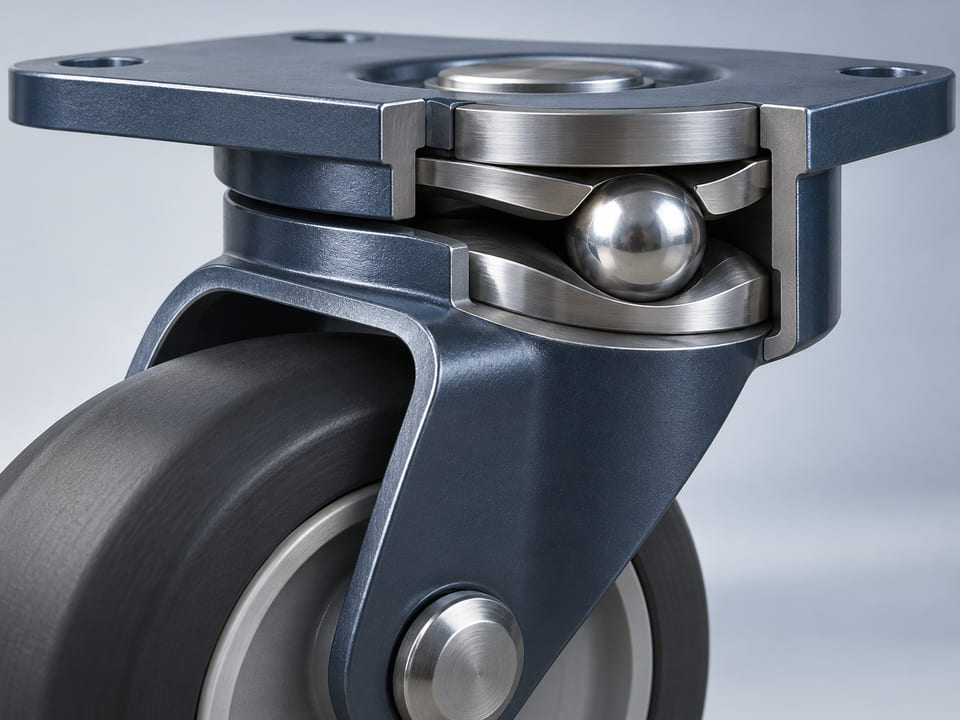
Case depth and ball geometry are separate requirements
Specify surface hardness and case depth when they are needed, with an agreed test method and acceptance basis. A dimensional ball grade does not define either property. Repeated loading may involve stresses below the surface, so a shallow hardened layer cannot be approved solely from an attractive polish. Include the raceway material, contact load, lubrication and contamination in the review. For more demanding fatigue service, compare a through-hardened bearing-steel option.
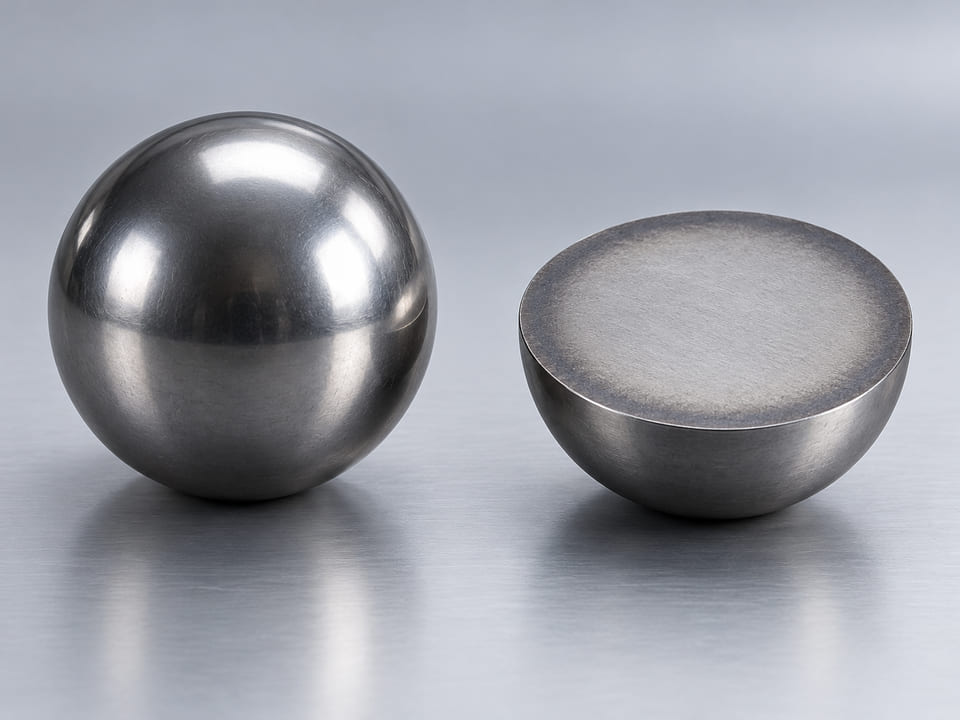
AISI 1010/1015 Carbon Steel Balls specifications
Define the component using the requirements below. Include your target values and acceptance method; the quotation records the agreed material, geometry, inspection and supply scope.
| Requirement | What to specify | Why it matters |
|---|---|---|
| Material and condition | Name 1010 or 1015 and the required case-hardened condition. | Prevents substitution with an unhardened sphere of similar appearance. |
| Hardened layer | Define case depth, hardness method and sample acceptance where required. | Connects the treatment to contact demand rather than a nominal material label. |
| Geometrical acceptance | Provide nominal diameter, tolerance, form and lot-sorting requirements. | Controls the actual fit between the ball and its retaining or rolling surfaces. |
| Protection and packing | State allowable oil, coating, dryness and moisture-control requirements. | Protects carbon steel without contaminating the downstream assembly. |
Drawing and dimensional acceptance
Provide the drawing revision and nominal dimensions with units. Identify critical form, surface and fit requirements individually; a material designation alone does not define a finished component. Where an existing sample is the reference, describe wear and confirm the intended acceptance limits.
Order and inspection scope
Separate sample quantities from production demand. State the required inspection documents, lot identification, cleanliness and packaging. Any proposed substitute or change to the component specification should be reviewed before approval, with the quotation confirming the agreed scope.
Numeric performance values, when needed, must identify their material, conditions and evidence. Typical raw-material data should not be treated as guaranteed finished-component performance.
AISI 1010/1015 Carbon Steel Balls applications
Start with the actual mechanism and exposure conditions. Each use below identifies the information needed for a useful technical review.
Casters and furniture mechanisms
Low-carbon balls can be considered where the mechanism needs economical rolling elements under an established load. The surrounding races, protection from moisture and actual duty cycle determine whether this is an appropriate choice. Validate the assembled mechanism rather than assigning a load rating to an isolated ball.
Slides and light-motion assemblies
For a guided sliding or rolling component, consistent diameter and acceptable surface condition help control motion and assembly variation. Define any sorting requirement together with the race spacing. Surface protection must remain compatible with plastics, coatings and the intended cleanliness of the finished product.
General mechanical hardware
An inexpensive steel sphere may perform a locating or spacing function without requiring premium bearing specifications. State how the ball is retained and whether it will be pressed, staked or welded. A case-hardened version should not be selected by default for an operation requiring substantial deformation.
Compare AISI 1010/1015 Carbon Steel Balls alternatives
Compare the requirement that drives the decision. A matching nominal diameter or similar appearance does not establish material or functional equivalence.
| Alternative | When to review it | Tradeoff to assess |
|---|---|---|
| Soft carbon steel | Consider the unhardened option when the assembly deliberately forms, welds or machines the ball rather than asking its surface to resist repeated rolling contact. | Lower hardness changes wear and indentation behavior; assess the finished assembly instead of ordering the same diameter as an automatic substitute. |
| AISI 1085 carbon steel | Compare a high-carbon, through-hardened ball when contact stresses and wear requirements extend beyond the intended role of a low-carbon case-hardened sphere. | A harder bulk material changes deformation and processing behavior and still needs corrosion protection suitable for the environment. |
| AISI 52100 chrome steel | Review bearing steel where rolling fatigue, geometry and a controlled heat-treatment condition become central purchasing requirements for the mechanism. | Its bearing-oriented material system does not remove the need to define grade, surface quality, lubrication and protection against rust. |
These links open the corresponding product pages in this collection. Final selection depends on your complete specification and the agreed validation.
AISI 1010/1015 Carbon Steel Balls FAQs
Are 1010 and 1015 balls interchangeable?
Only when the drawing and approval process allow it. They are related low-carbon steels with different specified compositions. The heat-treatment condition, geometry and application acceptance also need to match; a shared product-family page does not establish equivalence.
Are all low-carbon steel balls case-hardened?
No. A low-carbon material can be supplied in different conditions. Write the required treatment on the enquiry and order; distinguish case-hardened balls from the soft unhardened balls used for forming, welding or other deliberate deformation.
Does a polished surface prevent rust?
No. Polishing does not turn carbon steel into stainless steel. Determine the exposure during transport, storage and service, then approve compatible protection. Oil-free delivery and corrosion protection can create competing requirements that need to be resolved together.
Can these balls be used in bearings?
They can be considered in suitable mechanical arrangements, but the ball name does not establish bearing capacity. Review the contact load, raceway geometry, duty cycle, case condition and fatigue requirements; bearing-steel alternatives may be necessary.
What should a hardness request include?
Include the hardness method, measurement location and acceptance limits. If case depth matters, define it separately. Testing a small curved sphere requires an agreed approach; a single unexplained hardness number cannot describe the complete hardened layer.
What affects quotation accuracy?
The exact grade, treatment, diameter, geometry, sorting, quantity and protection requirements all matter. Include whether the ball will roll, locate or deform in the assembly, because that functional distinction can change the appropriate supply specification.
Request a quotation
Turn the AISI 1010/1015 Carbon Steel Balls requirements into a clear enquiry for MEITUO Balls.
- Define the material and geometry.
- Describe the application and acceptance.
- Separate sample and production demand.
The quotation confirms feasibility, supply scope, inspection documents and commercial terms. Generated illustrations are not evidence of available stock or completed validation.
Continue your material review
Engineering references and illustration notes
Material-family references support screening. The exact grade, finished geometry and application acceptance govern an actual enquiry.
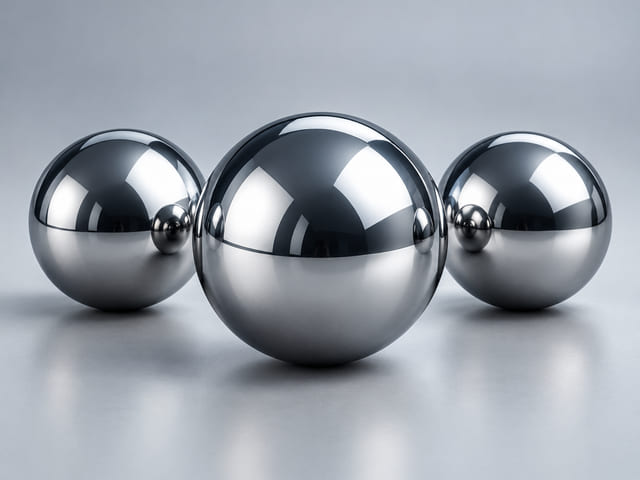
CGI illustrations explain product, application or structure concepts. They are not photographs, measured micrographs, assembly drawings or inspection results.