AISI 52100 Chrome Steel Balls
AISI 52100 chrome steel balls are hardened bearing-steel spheres considered for rolling-contact mechanisms, bearings and wear-sensitive precision components. Chrome steel describes the alloy, not a decorative chromium coating. Effective selection combines material identity, heat-treatment condition, ball geometry, surface quality and lubrication. Define the bearing or contact duty before quotation, and include corrosion protection because 52100 is not a stainless steel.
- Material / construction
- AISI 52100 high-carbon chromium bearing steel
- Specification basis
- Drawing, diameter & acceptance
- Order basis
- Sample & production quantities
AISI 52100 Chrome Steel Balls: selection overview
The bearing-steel designation is a starting point for controlling a demanding contact, not an independent promise of bearing life. Raw-material cleanliness, heat-treatment quality, surface defects and the surrounding lubrication system can all influence the result. Geometry also has several parts: nominal diameter, size variation, form and lot grouping should follow the assembly's needs. A high-quality ball does not correct a damaged raceway or inappropriate lubricant. When moisture or cleaning fluids enter service, the corrosion plan must be reviewed alongside contact performance; the word chrome must not be mistaken for rustproof.
Specify the contact system, not only the sphere
Include the raceway material and condition, load cycle, speed, lubricant and contamination environment. These establish why a particular ball geometry and inspection scope are necessary. Replacing balls in a worn mechanism should also involve checking the races and retaining components. If the drawing uses another bearing-steel designation, identify its governing standard and substitution approval; similar names across national systems should not be treated as automatic purchase equivalence.
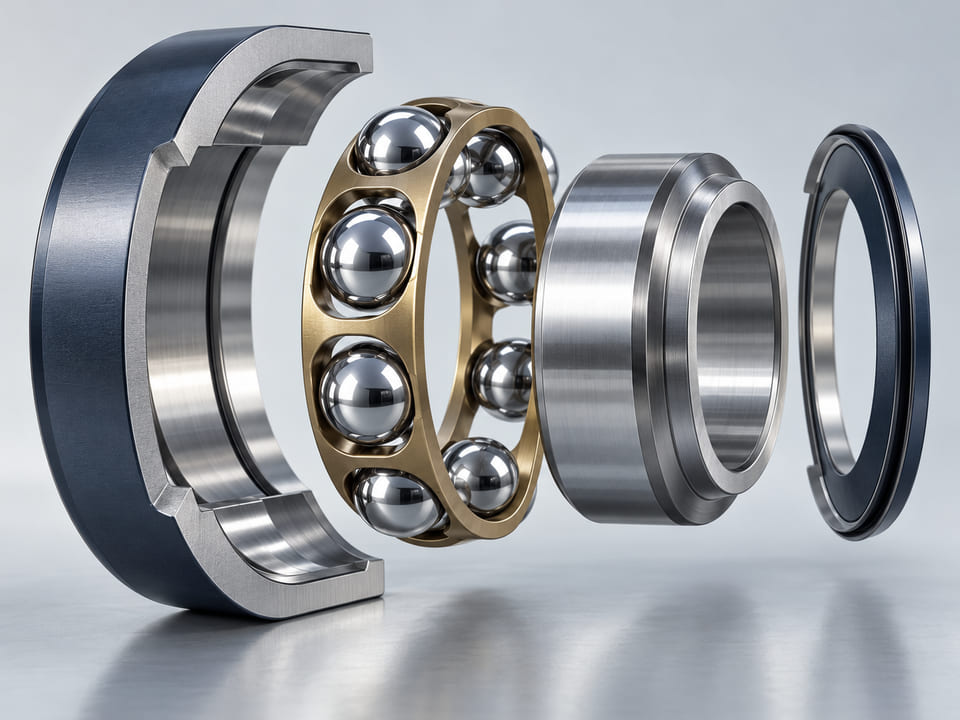
Ball grade, finish and lot control
Define the required ball grade or explicit geometrical acceptance criteria, then state whether sorting by actual size is needed for the assembly. Surface roughness and defect screening can require additional acceptance language. A finer grade is useful when it serves the contact design, but it does not independently guarantee lower noise or longer life. For evaluation, agree how the receiving measurements and component-level functional test will be compared across sample and production lots.
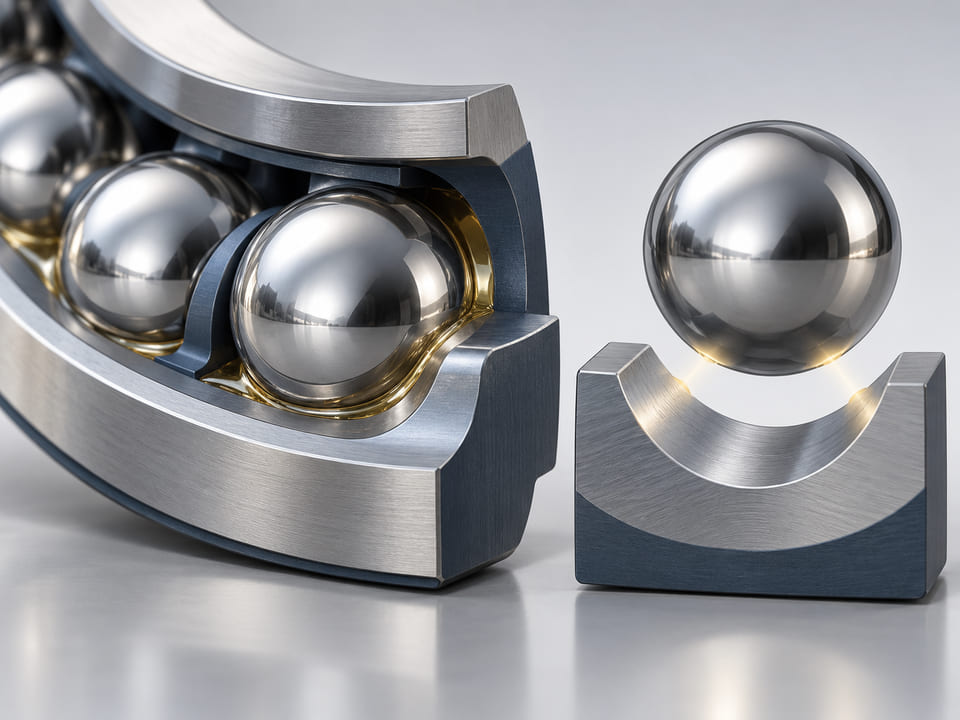
AISI 52100 Chrome Steel Balls specifications
Define the component using the requirements below. Include your target values and acceptance method; the quotation records the agreed material, geometry, inspection and supply scope.
| Requirement | What to specify | Why it matters |
|---|---|---|
| Bearing-steel identity | Specify 52100 and the material standard or approved equivalent. | Prevents substitution based only on a broad chrome-steel description. |
| Finished condition | Define hardness acceptance and required heat-treatment evidence. | Connects the supplied sphere to the intended rolling-contact duty. |
| Geometry and grouping | Give grade, nominal diameter, size-grouping and surface requirements. | Controls preload, fit and repeatability in the finished mechanism. |
| Operating preservation | Identify lubricant compatibility, dryness and corrosion-protection needs. | Protects the surface through transport and assembly without unwanted residue. |
Drawing and dimensional acceptance
Provide the drawing revision and nominal dimensions with units. Identify critical form, surface and fit requirements individually; a material designation alone does not define a finished component. Where an existing sample is the reference, describe wear and confirm the intended acceptance limits.
Order and inspection scope
Separate sample quantities from production demand. State the required inspection documents, lot identification, cleanliness and packaging. Any proposed substitute or change to the component specification should be reviewed before approval, with the quotation confirming the agreed scope.
Numeric performance values, when needed, must identify their material, conditions and evidence. Typical raw-material data should not be treated as guaranteed finished-component performance.
AISI 52100 Chrome Steel Balls applications
Start with the actual mechanism and exposure conditions. Each use below identifies the information needed for a useful technical review.
Rolling bearings
52100 is a bearing-oriented material candidate where hardened rolling contacts and controlled geometry are central. Select it with the bearing designer's load and lubrication requirements. A product-level life calculation belongs to the bearing assembly and should not be attached to a loose sphere without that context.
Ball screws and guided motion
A recirculating mechanism may need tight size grouping and surface quality to achieve the intended movement. Identify the original ball size specification and wear condition before replacing a set. Mixed or unapproved sizes can change preload and motion behavior.
Precision mechanical contacts
For wear-sensitive indexing or locating, a bearing-steel sphere provides a candidate hard contact surface. The mating component still determines local contact stresses and marking. Include whether the mechanism operates with limited lubrication or sees vibration in a fixed position.
Compare AISI 52100 Chrome Steel Balls alternatives
Compare the requirement that drives the decision. A matching nominal diameter or similar appearance does not establish material or functional equivalence.
| Alternative | When to review it | Tradeoff to assess |
|---|---|---|
| AISI 1085 carbon steel | Compare when the component needs a hardened carbon-steel sphere but its contact duty does not require a bearing-specific material specification. | The alloy and processing requirements differ; compare raw-material evidence, treatment and finished-ball inspection instead of hardness alone. |
| 440C stainless steel | Review a hardenable stainless candidate where moisture or cleaning exposure needs consideration together with wear-oriented rolling contacts. | Corrosion behavior and contact properties still depend on treatment and exposure; redesign approval may be needed for a material change. |
| Silicon nitride ceramic | Consider ceramic rolling elements when electrical insulation, mass or a specialist bearing design makes steel an incomplete solution. | Ceramic substitution changes stiffness, contact stresses and fracture considerations; use an approved assembly design rather than a diameter-only swap. |
These links open the corresponding product pages in this collection. Final selection depends on your complete specification and the agreed validation.
AISI 52100 Chrome Steel Balls FAQs
Are chrome steel balls chromium-plated?
Not necessarily. In this product name, chrome steel refers to AISI 52100 bearing steel containing chromium as an alloying element. If a coating is needed, specify it separately with its thickness, dimensional and application acceptance requirements.
Are 52100 balls stainless?
No. They require a suitable approach to corrosion protection in storage and service. Describe water exposure, cleaning and humidity, and check whether the intended lubricant protects the complete contact. A bright polish does not establish corrosion immunity.
Does ball grade determine bearing life?
No. Ball geometry is one input. Material condition, surface defects, raceways, loading, lubrication and contamination also matter. Bearing life should be assessed for the complete assembly; a loose-ball grade cannot supply an application-independent service-life claim.
Can they replace balls in a ball screw?
Only against the mechanism's approved size and grouping requirements. Check the circuit, preload and race condition with the component manufacturer. Matching nominal diameter without checking actual size variation may change motion quality or contact loading.
Should I always choose the finest available grade?
Choose the geometry the design needs and can verify. A finer grade may add cost without resolving raceway damage, lubrication problems or contamination. Define the functional acceptance first, then align grade, inspection and lot control with it.
What supports a drawing-based quotation?
Send the ball material and standard, nominal diameter, grade or explicit form limits, actual-size grouping, quantity and surface criteria. Include the application, lubricant and required inspection documents so the quotation addresses the finished component rather than material alone.
Request a quotation
Turn the AISI 52100 Chrome Steel Balls requirements into a clear enquiry for MEITUO Balls.
- Define the material and geometry.
- Describe the application and acceptance.
- Separate sample and production demand.
The quotation confirms feasibility, supply scope, inspection documents and commercial terms. Generated illustrations are not evidence of available stock or completed validation.
Continue your material review
Engineering references and illustration notes
Material-family references support screening. The exact grade, finished geometry and application acceptance govern an actual enquiry.
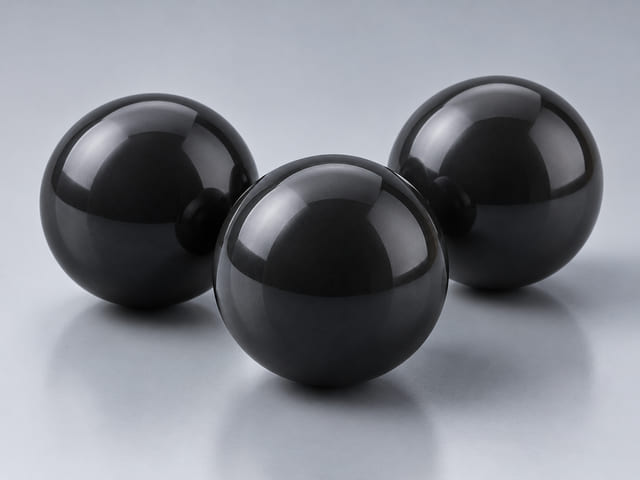
CGI illustrations explain product, application or structure concepts. They are not photographs, measured micrographs, assembly drawings or inspection results.