Rigid PVC Balls
PVC balls are polyvinyl chloride spheres considered for compatible fluid-control and general industrial components. Rigid PVC differs from flexible plasticised PVC, so the formulation must be identified before mechanical or chemical performance is compared. Specify rigid construction, diameter and surface requirements, working fluid, temperature, contact loading and any additive or contact-document restrictions when preparing a PVC ball quotation.
- Material / construction
- Rigid polyvinyl chloride; formulation and plasticiser restrictions defined
- Specification basis
- Drawing, diameter & acceptance
- Order basis
- Sample & production quantities
Rigid PVC Balls: selection overview
A rigid PVC sphere can be a useful non-metallic option where the specified fluid and temperature suit its formulation. The product should not be described through the properties of flexible vinyl, nor should a smooth grey surface be treated as proof of composition. Stabiliser packages, impact modification and plasticiser restrictions can affect the material review and required documentation. When the function relies on a polished seat contact, define the surface and geometry directly. A pipe-system rating does not establish the pressure or temperature rating of an independently specified ball-and-seat assembly.
Keep rigid and plasticised formulations separate
Identify the rigid grade and any restriction on plasticiser, stabiliser or pigment. If the drawing only says PVC, explain whether rigidity, fluid compatibility or contact documentation is the controlling requirement. A flexible formulation can change deformation and migration behaviour substantially, so substitution should be explicit. Request the proposed material description early and connect it to the final part rather than assuming that all PVC products share the same mechanical or contact characteristics.
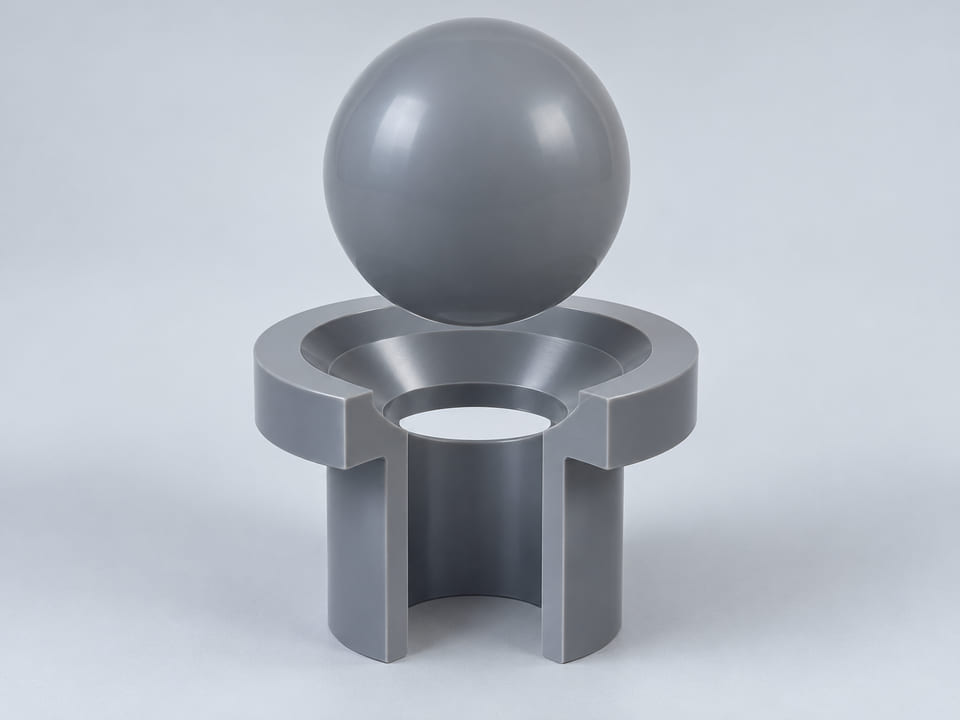
Review heat, impact and the seat together
Define normal and cleaning temperatures, pressure or spring loading, and the likelihood of impact during handling or operation. A polished sphere may appear suitable at room temperature while its loaded contact behaves differently after heating or prolonged dwell. Validate the finished assembly under the relevant conditions. Where impact, thermal cycling or unusual chemicals dominate, compare alternative polymers instead of using a general industrial PVC description as an unrestricted service envelope.
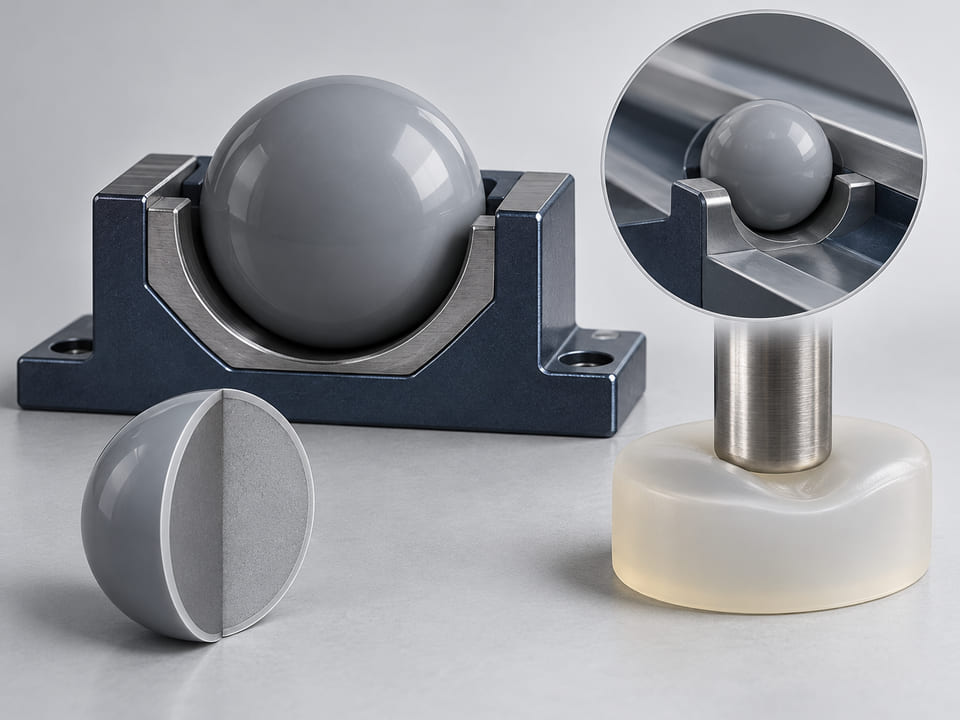
Rigid PVC Balls specifications
Define the component using the requirements below. Include your target values and acceptance method; the quotation records the agreed material, geometry, inspection and supply scope.
| Requirement | What to specify | Why it matters |
|---|---|---|
| Rigid grade | Identify rigid PVC and the required formulation restrictions. | Flexible vinyl and rigid PVC must not be conflated in a component specification. |
| Surface and geometry | State ball diameter, form and seat-contact finish. | Cosmetic smoothness cannot define functional leakage or fit acceptance. |
| Thermal and load cycle | Provide process, cleaning and dwell conditions. | The combined exposure governs loaded deformation and long-term function. |
| Documents and contact | Identify additive restrictions and any intended regulated use. | Required evidence applies to the exact formulation and delivered component. |
Drawing and dimensional acceptance
Provide the drawing revision and nominal dimensions with units. Identify critical form, surface and fit requirements individually; a material designation alone does not define a finished component. Where an existing sample is the reference, describe wear and confirm the intended acceptance limits.
Order and inspection scope
Separate sample quantities from production demand. State the required inspection documents, lot identification, cleanliness and packaging. Any proposed substitute or change to the component specification should be reviewed before approval, with the quotation confirming the agreed scope.
Numeric performance values, when needed, must identify their material, conditions and evidence. Typical raw-material data should not be treated as guaranteed finished-component performance.
Rigid PVC Balls applications
Start with the actual mechanism and exposure conditions. Each use below identifies the information needed for a useful technical review.
Compatible valve components
Rigid PVC may be considered in a matching fluid-control concept where non-metallic contact is useful. Check the actual ball, seat and body materials together. A compatible pipe material does not demonstrate leakage performance, and the proposed sphere should be tested after the longest expected loaded or idle condition.
Process indicators
A PVC sphere may form a moving or locating component in compatible industrial equipment. Define the movement or indication function and whether mass matters. Review the fluid, guide clearance and surface finish so deposits, deformation or an unsuitable formulation do not prevent repeatable movement over the operating cycle.
General industrial assemblies
Where the requirement is a rigid, non-metallic sphere with an agreed finish, PVC can be included in a material comparison. Specify whether appearance or mechanical fit is controlling. Applications with impact or contact-compliance requirements need the relevant grade evidence, rather than relying on a generic industrial-use description.
Compare Rigid PVC Balls alternatives
Compare the requirement that drives the decision. A matching nominal diameter or similar appearance does not establish material or functional equivalence.
| Alternative | When to review it | Tradeoff to assess |
|---|---|---|
| Polypropylene | Compare PP where the fluid permits it and a lower-mass polyolefin offers a useful alternative for a lightly loaded mechanism. | Recheck buoyancy, stiffness and dimensional response; changing to PP may alter the movement or closure of an existing assembly. |
| PVDF | Review PVDF for a specified chemical environment that motivates a fluoropolymer option with its own mechanical property balance. | Confirm the exact compound and finished-component test, because a chemical-family comparison cannot establish a valve service rating. |
| POM / acetal | Consider acetal when repeatable mechanical contact and low moisture response are more relevant than PVC's suitability for the specified fluid. | Recheck chemical and cleaning exposure carefully; mechanical suitability does not make acetal a universal replacement for rigid PVC. |
These links open the corresponding product pages in this collection. Final selection depends on your complete specification and the agreed validation.
Rigid PVC Balls FAQs
Are PVC balls rigid or flexible?
PVC can be formulated either way, so state the requirement explicitly. This product page concerns rigid PVC spheres. A plasticised flexible formulation should not be substituted without review because its deformation, additive content and contact behaviour can differ substantially from the required rigid component.
Can a PVC pipe rating be used for the ball?
No. A pipe-system rating applies to its defined construction and test basis, not automatically to a separate ball-and-seat assembly. Define the ball's material, geometry, contact and operating cycle, then validate the actual mechanism against its own movement, leakage or durability requirement.
Is rigid PVC suitable for chemical service?
Review the exact chemical, concentration, temperature and exposure duration. Include any cleaner and the loaded contact condition. A broad chemical-resistance description is only a screening aid; it cannot establish compatibility or sealing performance for every liquid or process mixture encountered by the finished assembly.
Does grey colour identify a PVC grade?
No. Colour is not a reliable material-identification method and does not establish additives, rigidity or compliance. Request a traceable formulation or grade description and define the required evidence. Where appearance is important, treat colour matching as a separate acceptance item from technical material identity.
How should PVC ball samples be checked?
Verify the proposed formulation, diameter, form, surface and assembled function. Include operating and cleaning exposure, dwell and impact conditions where relevant. A fresh visual inspection is useful but cannot demonstrate a pressure seal, long-term movement or a temperature rating without the corresponding functional test.
What should a PVC ball enquiry contain?
Include rigid material identity, diameter, form and finish requirements, quantity and a drawing if available. Add fluid, temperature, contact and cleaning conditions, plus any formulation or documentation restrictions. These inputs establish a reviewable quotation basis without assuming an unconfirmed standard supply range or commercial promise.
Request a quotation
Turn the Rigid PVC Balls requirements into a clear enquiry for MEITUO Balls.
- Define the material and geometry.
- Describe the application and acceptance.
- Separate sample and production demand.
The quotation confirms feasibility, supply scope, inspection documents and commercial terms. Generated illustrations are not evidence of available stock or completed validation.
Continue your material review
Engineering references and illustration notes
Material-family references support screening. The exact grade, finished geometry and application acceptance govern an actual enquiry.
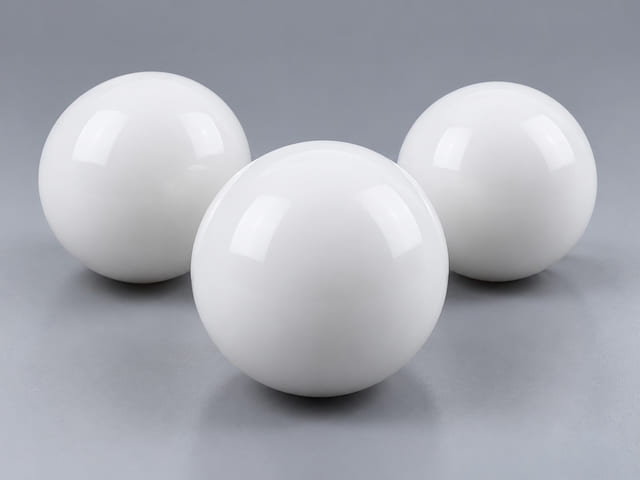
CGI illustrations explain product, application or structure concepts. They are not photographs, measured micrographs, assembly drawings or inspection results.