PVDF Balls
PVDF balls are polyvinylidene fluoride spheres considered for chemical-handling valves, pumps and specialist industrial components. Their fluoropolymer chemistry offers a useful comparison with PTFE and other plastics, but compatibility and loaded contact must be checked for the exact service. Specify grade, diameter, medium and concentration, temperature, seat conditions and functional acceptance before approving a PVDF ball or assuming supply capability.
- Material / construction
- Polyvinylidene fluoride; exact grade and additives identified
- Specification basis
- Drawing, diameter & acceptance
- Order basis
- Sample & production quantities
PVDF Balls: selection overview
PVDF belongs in a material comparison when the actual medium and mechanical duty justify a fluoropolymer with a different property balance from PTFE. It should not be selected from the word fluoropolymer alone: concentration, temperature, additives and exposure history can all affect suitability. A visually similar white ball may be made from a different polymer. Identify the proposed grade and assess the finished sphere in the intended seat. For this additional candidate family, material research establishes a selection direction, while supplier approval, sample acceptance and ball-specific commercial terms remain separate steps.
Compare chemical and mechanical requirements together
List all fluids, mixtures and cleaning agents, with concentration and temperature. Then define the contact load, wear or collision that the sphere must withstand. This produces a more useful comparison between PVDF, PTFE, PP and PEEK than a general chemical-resistance ranking. Where a formulation is modified, include the additives in the review. If the medium changes during a batch or cleaning cycle, assess each stage rather than approving the component from the normal operating liquid alone.
Validate the complete closing cycle
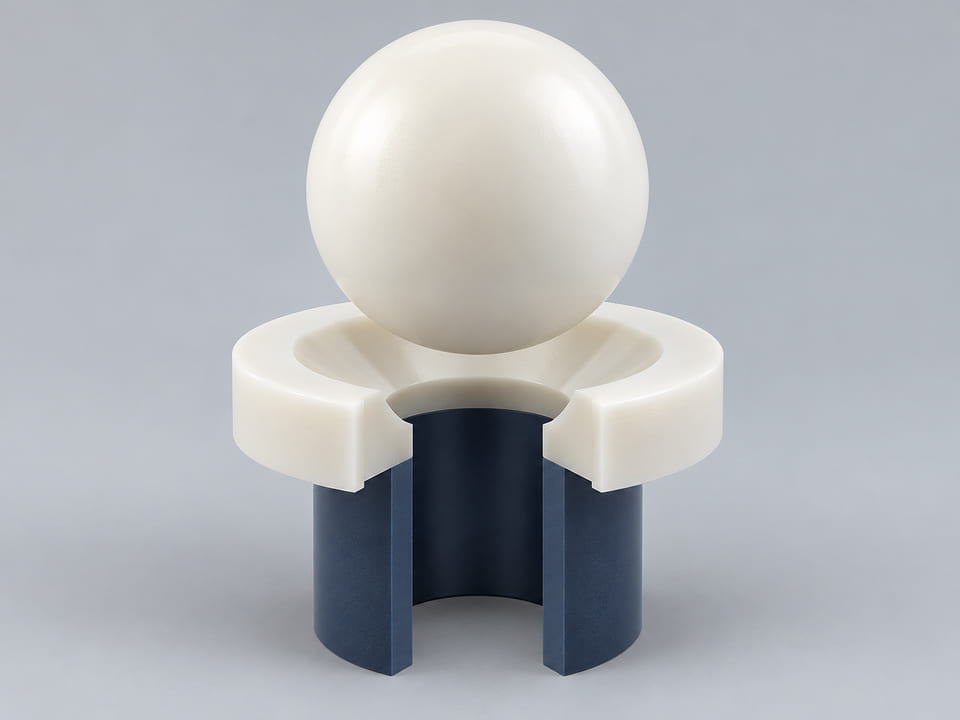
Give the seat profile, orientation and pressure or flow sequence. Changes in polymer mass and compliance can affect opening, closing and leakage even when the sphere diameter is unchanged. Include idle periods and exposure before the test, because a new dry component does not represent an aged fluid-contact assembly. Define the leakage or movement criterion directly, and separate it from diameter, surface and material-identity inspection so each acceptance item has a clear purpose.
PVDF Balls specifications
Define the component using the requirements below. Include your target values and acceptance method; the quotation records the agreed material, geometry, inspection and supply scope.
| Requirement | What to specify | Why it matters |
|---|---|---|
| PVDF identity | Identify grade, formulation and required material evidence. | Similar appearance cannot distinguish PVDF from other light-coloured polymers. |
| Chemical envelope | Provide fluid mixtures, concentration, temperature and exposure history. | The complete process determines compatibility rather than a general industry label. |
| Seat and motion | State contact profile, orientation and pressure or flow cycle. | Material mass and compliance affect closing behaviour. |
| Functional acceptance | Define movement, leakage and post-exposure inspection. | Component approval needs an assembly result as well as material and size checks. |
Drawing and dimensional acceptance
Provide the drawing revision and nominal dimensions with units. Identify critical form, surface and fit requirements individually; a material designation alone does not define a finished component. Where an existing sample is the reference, describe wear and confirm the intended acceptance limits.
Order and inspection scope
Separate sample quantities from production demand. State the required inspection documents, lot identification, cleanliness and packaging. Any proposed substitute or change to the component specification should be reviewed before approval, with the quotation confirming the agreed scope.
Numeric performance values, when needed, must identify their material, conditions and evidence. Typical raw-material data should not be treated as guaranteed finished-component performance.
PVDF Balls applications
Start with the actual mechanism and exposure conditions. Each use below identifies the information needed for a useful technical review.
Chemical pump check-valve candidates
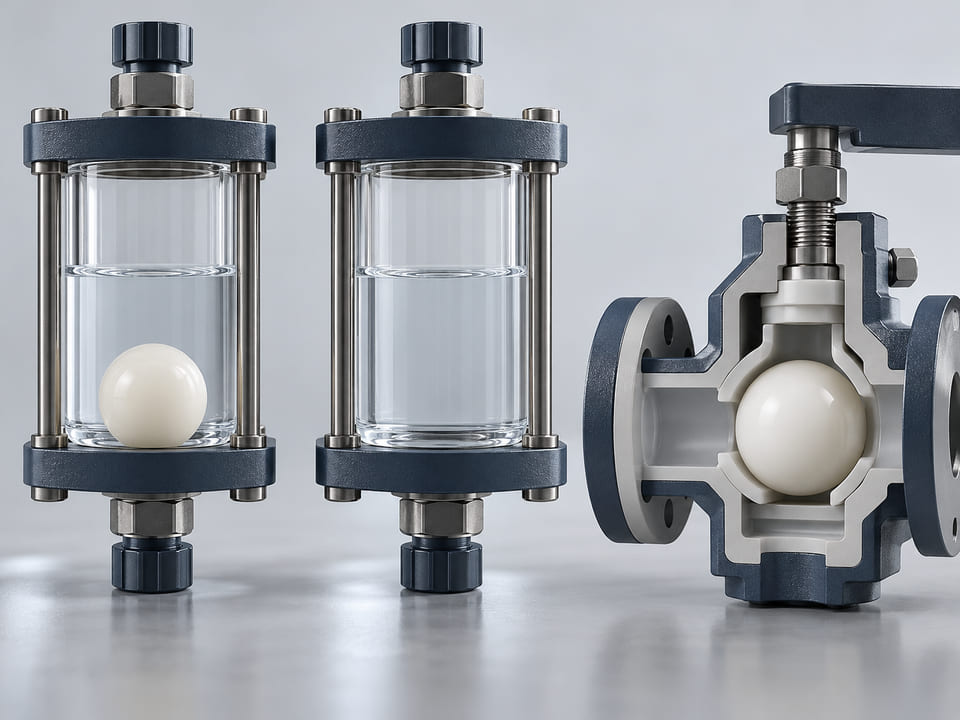
A PVDF sphere may be reviewed with a compatible seat where fluid exposure and contact motivate its selection. Test the process concentration and cleaning stages separately, then combine them in a representative operating sequence. Material compatibility is necessary but cannot replace evidence of reliable closure in the actual pump arrangement.
Water-treatment dosing components
PVDF can enter a comparison for specified treatment chemicals and dosing mechanisms. The chemical name alone is insufficient; concentration and temperature may vary between storage and injection. Define deposits, crystallisation and idle exposure where relevant so the ball and seat remain functional after the full process history.
Specialist non-metallic assemblies
Where a component requires fluoropolymer chemistry and defined mechanical contact, PVDF may be assessed against other plastics. Identify the actual electrical, cleanliness or ageing requirement. A general industrial material reference does not establish a finished component's rating, and the assembly should be tested against its own functional acceptance.
Compare PVDF Balls alternatives
Compare the requirement that drives the decision. A matching nominal diameter or similar appearance does not establish material or functional equivalence.
| Alternative | When to review it | Tradeoff to assess |
|---|---|---|
| PTFE | Compare PTFE where the exact chemical and temperature make its compatibility profile relevant to the proposed fluid-contact component. | Reassess creep, contact and movement because a softer alternative can alter sealing geometry despite chemical suitability. |
| Polypropylene | Review PP when the medium and duty can be met by a lighter polyolefin and the fluoropolymer option needs a clear technical justification. | Different thermal and contact behaviour requires validation; a cost comparison should use the same functional and document requirements. |
| PEEK | Compare PEEK where mechanical contact, dimensional behaviour or the combined thermal cycle is a central selection requirement. | Check the exact fluid and compound rather than assuming that a higher-performance polymer offers universal chemical equivalence. |
These links open the corresponding product pages in this collection. Final selection depends on your complete specification and the agreed validation.
PVDF Balls FAQs
Is PVDF the same as PTFE?
No. Both are fluoropolymers, but their chemical, mechanical and thermal property balances differ. Compare the exact grades against the actual fluid and contact conditions. A shared material-family label does not establish equivalent sealing, deformation or service performance in a valve or pump.
Can PVDF balls handle aggressive fluids?
They can be assessed for specified fluids, but no unrestricted claim is appropriate. Supply the exact medium, concentration, temperature and cleaning cycle. Include mechanical loading and exposure duration, then validate the finished component because a compatibility screen alone cannot establish sealing or long-term movement.
Does a white ball prove it is PVDF?
No. Colour is not a reliable method of identifying a polymer or formulation. Require the material documentation and traceability appropriate to the project. Surface and appearance can be inspected separately, while the technical approval should be tied to the proposed grade and relevant component tests.
Why does valve orientation matter?
The ball's moving mass, buoyancy and seat contact affect opening and closing, and those effects depend on orientation and fluid conditions. A replacement polymer may behave differently despite having the same diameter. Test the intended installation with the relevant pressure cycle and leakage acceptance.
How should a PVDF candidate be qualified?
Review the exact material and supply route, inspect finished geometry and surface, and test the ball with the intended fluid, seat and operating cycle. Include cleaning and idle exposure. Candidate status should only change after the required technical evidence and sample acceptance are available for the proposed application.
What information is needed for a PVDF quotation?
Include grade, diameter and form limits, quantity, chemistry and concentration, temperature, seat drawing and operating cycle. Add required traceability, cleanliness or contact documents and the sample test. Supply conditions and commercial terms must then be confirmed for that reviewed specification rather than assumed from another supplier's range.
Request a quotation
Turn the PVDF Balls requirements into a clear enquiry for MEITUO Balls.
- Define the material and geometry.
- Describe the application and acceptance.
- Separate sample and production demand.
The quotation confirms feasibility, supply scope, inspection documents and commercial terms. Generated illustrations are not evidence of available stock or completed validation.
Continue your material review
Engineering references and illustration notes
Material-family references support screening. The exact grade, finished geometry and application acceptance govern an actual enquiry.
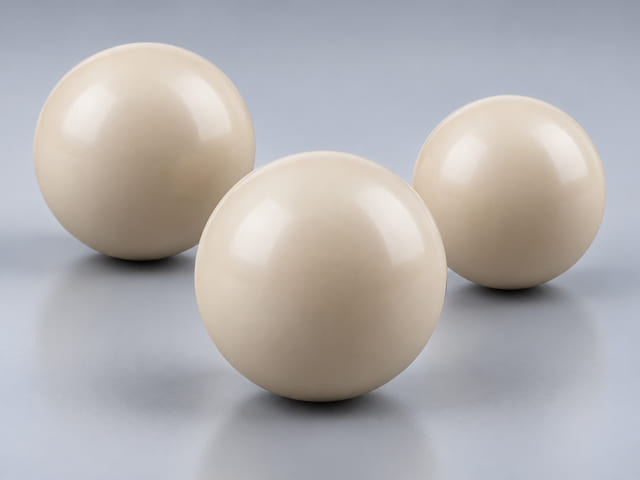
CGI illustrations explain product, application or structure concepts. They are not photographs, measured micrographs, assembly drawings or inspection results.