Stainless Steel Hollow Balls
Stainless hollow balls are shell-type metal spheres used where a solid ball would add unnecessary mass or change buoyancy. Applications include floats, mechanical assemblies and architectural components. Define the outside diameter, wall requirement, seam condition, attachment and working environment before quotation. A hollow shape does not establish pressure resistance or leak tightness; those requirements must be reviewed and tested for the intended use.
- Material / construction
- Specified stainless shell
- Specification basis
- Drawing, diameter & acceptance
- Order basis
- Sample & production quantities
Stainless Steel Hollow Balls: selection overview
A hollow sphere is a shell assembly rather than a reduced-cost solid bearing ball. Outside diameter, wall distribution, joining method and the finished mass all influence its behavior. A visible seam may be acceptable for a decorative component but unsuitable for an important rolling or sealing contact. A float requires separate consideration of displaced fluid and complete assembly mass. Neither a stainless material name nor a polished exterior proves that the shell is sealed. State whether the component is decorative, mechanically loaded or part of a liquid-level device.
Specify the shell and joint together
Include the outside diameter, wall target and allowable variation when wall thickness matters. Identify the seam location, surface blending and any openings or attachment features. A polished sphere can conceal its joint visually while still needing a separate leak check. If a drawing defines mass instead of wall thickness, explain which characteristic controls acceptance. Treat changes to shell construction as engineering changes where they affect buoyancy, stiffness or the mechanical interface.
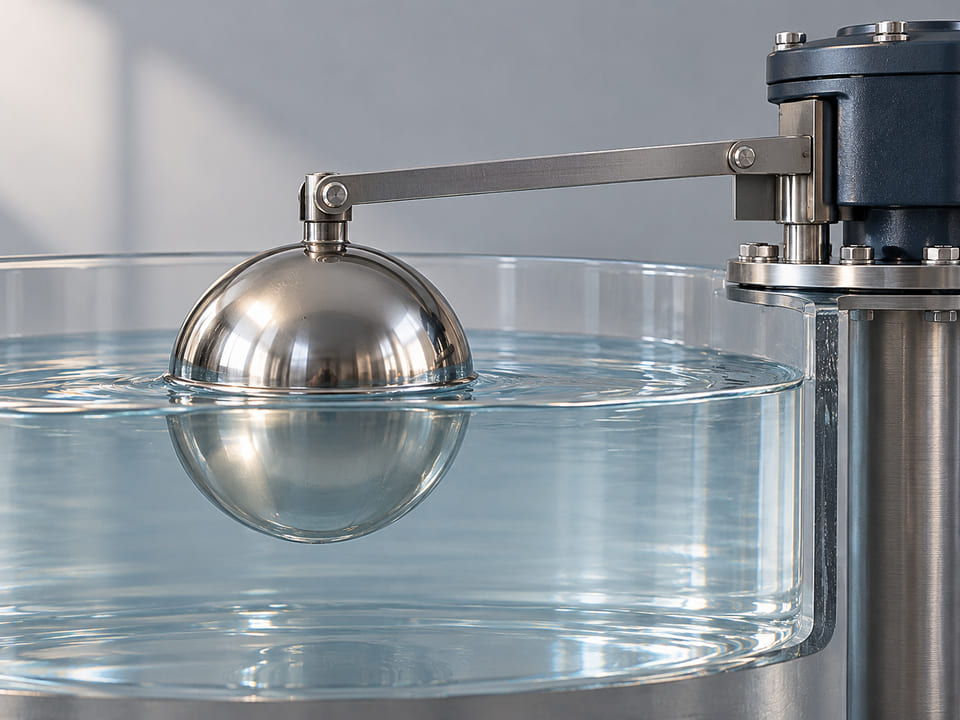
Match the sphere to its working environment
A sphere used outdoors faces different conditions from one immersed in a process liquid. Describe the fluid, cleaning routine and any expected pressure difference across the shell. The attachment method also matters: a welded stem or threaded boss changes the local structure and may create a leak path. Give the requirements for the assembled float or bracket rather than assuming that the loose hollow sphere establishes the performance of the complete device.
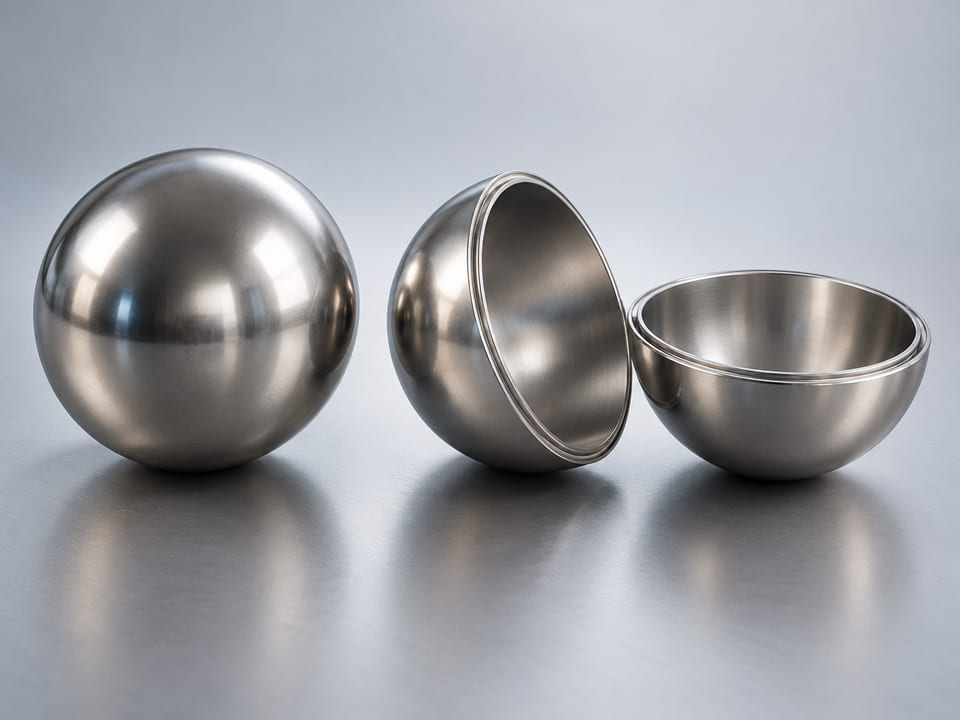
Stainless Steel Hollow Balls specifications
Define the component using the requirements below. Include your target values and acceptance method; the quotation records the agreed material, geometry, inspection and supply scope.
| Requirement | What to specify | Why it matters |
|---|---|---|
| Shell geometry | Outside diameter, wall or finished-mass acceptance and shape limits. | Shell thickness and mass must suit the functional purpose. |
| Joint and seam | Seam location, blend level and permissible visible marks. | The joint can affect appearance and contact. |
| Leak requirement | State whether liquid or gas tightness is needed and specify the method. | Appearance cannot establish a sealed construction. |
| Attachments | Stem, boss or mounting drawing and complete assembly scope. | Attachments alter local loading and float mass. |
Drawing and dimensional acceptance
Provide the drawing revision and nominal dimensions with units. Identify critical form, surface and fit requirements individually; a material designation alone does not define a finished component. Where an existing sample is the reference, describe wear and confirm the intended acceptance limits.
Order and inspection scope
Separate sample quantities from production demand. State the required inspection documents, lot identification, cleanliness and packaging. Any proposed substitute or change to the component specification should be reviewed before approval, with the quotation confirming the agreed scope.
Numeric performance values, when needed, must identify their material, conditions and evidence. Typical raw-material data should not be treated as guaranteed finished-component performance.
Stainless Steel Hollow Balls applications
Start with the actual mechanism and exposure conditions. Each use below identifies the information needed for a useful technical review.
Liquid-level floats
A hollow sphere may provide buoyancy in a level-sensing assembly. The relevant mass includes attachments and any retained liquid. Define the actual fluid and operating conditions, and ask for validation of the completed float configuration rather than approval of the sphere exterior alone.
Weight-sensitive mechanisms
A shell construction can reduce moving mass where a solid metallic sphere is unnecessary. Stiffness, contact and local attachment loads still require assessment. Explain which surface carries load and whether changes in roundness or the seam would affect the surrounding mechanism.
Architectural components
A hollow stainless sphere can be assessed for decorative or structural assemblies where appearance and mounting dominate the purchase. Agree the visible finish, seam acceptance, exposure conditions and fastening details. Decorative approval should remain separate from any structural load or pressure-related duty.
Compare Stainless Steel Hollow Balls alternatives
Compare the requirement that drives the decision. A matching nominal diameter or similar appearance does not establish material or functional equivalence.
| Alternative | When to review it | Tradeoff to assess |
|---|---|---|
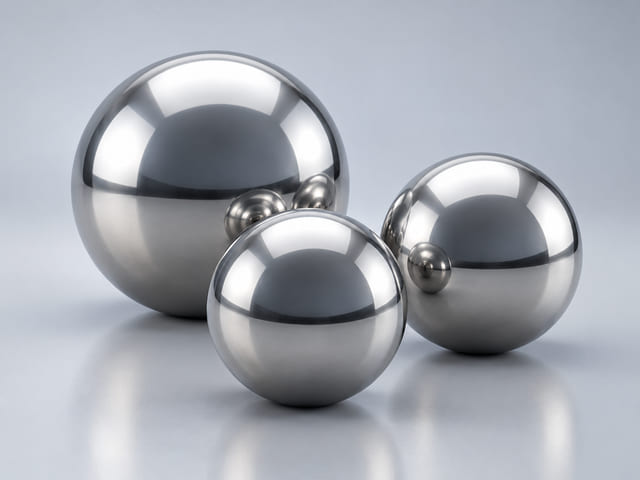
| Solid stainless balls | Choose a solid sphere when concentrated contact or dimensional requirements dominate and the extra mass is acceptable. | A solid ball does not provide the same buoyancy or mass characteristics as a hollow shell of equal diameter. |
| Rubber-coated balls | Consider a composite exterior when compliant contact and the fluid-facing elastomer are part of the functional design. | Coating adds a separate material interface and does not itself establish the buoyancy or sealing of a hollow core. |
| Threaded balls | Compare a mounting-focused ball when an internal thread is the central interface and shell weight reduction is secondary. | A threaded mounting feature requires its own wall and load review; it cannot be added to a thin shell without assessment. |
These links open the corresponding product pages in this collection. Final selection depends on your complete specification and the agreed validation.
Stainless Steel Hollow Balls FAQs
Will every hollow stainless sphere float?
No. Buoyancy depends on the total assembly mass and the displaced working fluid, not just the presence of a cavity. Attachments, wall thickness and possible liquid ingress matter. Provide the fluid and complete float configuration so that the intended behavior can be reviewed.
Is a polished hollow ball automatically leak tight?
No. The visual finish and the integrity of the seam are separate requirements. Specify whether the application needs a leak check, which medium is used and how acceptance is defined. A decorative sphere should not be treated as a sealed float without evidence.
Can I choose the stainless grade?
Yes, identify the required grade or describe the environment for material review. The selected alloy still needs to match the medium, cleaning routine and exposure. Final confirmation should cover both the shell material and any attached parts or joining materials.
Can hollow balls be used as bearing elements?
Only after the complete contact and deformation requirements are reviewed. A thin shell behaves differently from a solid bearing sphere and may not provide the necessary stiffness or surface integrity. Do not replace a solid rolling element solely because the outer diameter is identical.
What should the drawing show?
Show diameter, wall or mass requirement, seam acceptance, surface finish, openings and attachment interfaces. If the sphere becomes a float, include the completed assembly. Identify which characteristics are inspected on the loose shell and which are verified only after attachment or joining.
How is a decorative order different from a float order?
A decorative order may focus on appearance, mounting and outdoor exposure, while a float order also needs a defined fluid, mass balance and leak requirement. Explain the use at enquiry stage. A common exterior shape does not make the acceptance requirements interchangeable.
Request a quotation
Turn the Stainless Steel Hollow Balls requirements into a clear enquiry for MEITUO Balls.
- Define the material and geometry.
- Describe the application and acceptance.
- Separate sample and production demand.
The quotation confirms feasibility, supply scope, inspection documents and commercial terms. Generated illustrations are not evidence of available stock or completed validation.
Continue your material review
Engineering references and illustration notes
Material-family references support screening. The exact grade, finished geometry and application acceptance govern an actual enquiry.
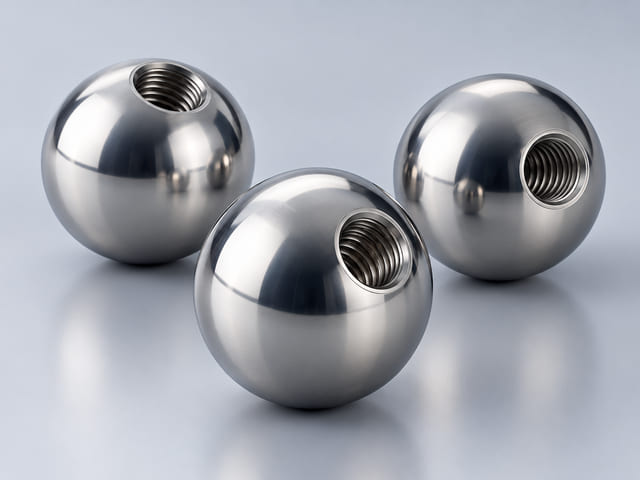
CGI illustrations explain product, application or structure concepts. They are not photographs, measured micrographs, assembly drawings or inspection results.