AISI 201 Stainless Steel Balls
AISI 201 stainless steel balls are austenitic spheres considered for hardware, furniture mechanisms and general assemblies with a defined corrosion requirement. Their manganese-containing alloy system differs from common 304 and 316 grades, so a stainless appearance does not establish equivalent service performance. Confirm the material standard, actual atmosphere or medium, surface condition and mechanical contact. Use the required grade explicitly when comparing quotations or approving substitutions.
- Material / construction
- AISI 201 austenitic stainless steel
- Specification basis
- Drawing, diameter & acceptance
- Order basis
- Sample & production quantities
AISI 201 Stainless Steel Balls: selection overview
201 is a distinct stainless material choice, not a budget label that can replace any shiny steel. Its chemistry and finished condition must meet the application's environmental and contact requirements. For a dry indoor mechanism, the selection problem can be different from that of a wet valve or a component exposed to cleaning chemicals. Magnetic behavior can also be affected by processing, so it needs a defined criterion where it matters. Evaluate the product's actual duty, including assembly residues and storage exposure, before treating an apparent material-cost saving as an acceptable substitution.
Set the exposure before comparing cost
Describe whether the ball operates indoors, outdoors, in intermittent moisture or in direct contact with a liquid. Include cleaners and contaminants from adjacent materials. Do not infer equivalent corrosion performance from a polish matching 304. If a substitution is being proposed, use a common set of environmental and functional tests and record the exact grade on the approval. A useful comparison weighs the complete component requirement, not the purchase price of a loose sphere alone.
Specify hardware function and finished condition
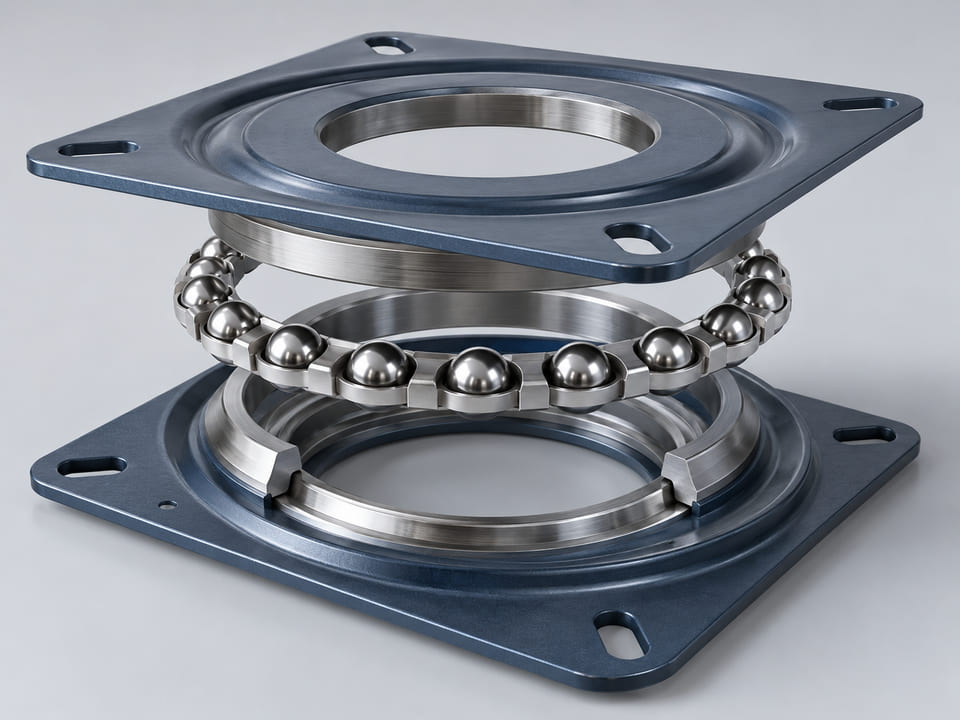
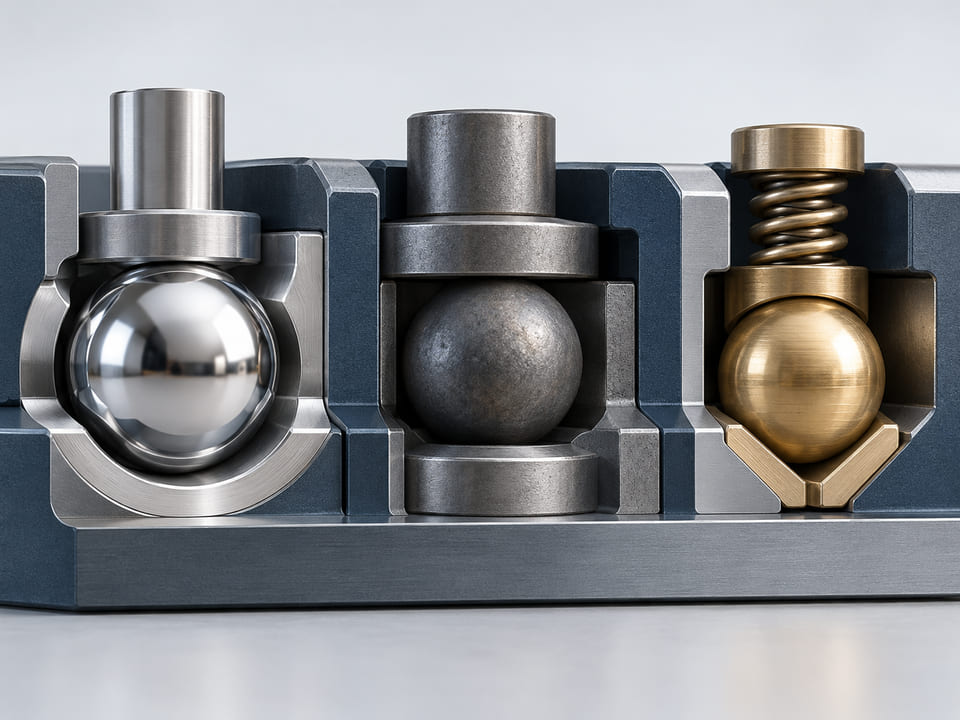
For a caster, swivel or retaining component, share the load path and mating material. Define diameter and form by the assembly's needs instead of automatically requesting a premium bearing grade. If appearance matters, describe acceptable staining, scratches and packaging protection. A magnetic handling requirement should identify the test conditions. The final enquiry should distinguish chemistry, geometry and visual acceptance, because success in one area cannot establish that the other requirements have been met.
AISI 201 Stainless Steel Balls specifications
Define the component using the requirements below. Include your target values and acceptance method; the quotation records the agreed material, geometry, inspection and supply scope.
| Requirement | What to specify | Why it matters |
|---|---|---|
| 201 identity | Specify AISI 201 and the governing material reference. | Prevents an unspecified stainless material being accepted by appearance. |
| Actual exposure | Define indoor moisture, liquids, cleaners and storage conditions. | Creates a realistic corrosion-review basis. |
| Hardware contact | Provide diameter, form, load and mating material. | Keeps the mechanical specification appropriate to the actual function. |
| Appearance and handling | State polish, visual defects, residue and packing criteria. | Supports consistent cosmetic acceptance through delivery and assembly. |
Drawing and dimensional acceptance
Provide the drawing revision and nominal dimensions with units. Identify critical form, surface and fit requirements individually; a material designation alone does not define a finished component. Where an existing sample is the reference, describe wear and confirm the intended acceptance limits.
Order and inspection scope
Separate sample quantities from production demand. State the required inspection documents, lot identification, cleanliness and packaging. Any proposed substitute or change to the component specification should be reviewed before approval, with the quotation confirming the agreed scope.
Numeric performance values, when needed, must identify their material, conditions and evidence. Typical raw-material data should not be treated as guaranteed finished-component performance.
AISI 201 Stainless Steel Balls applications
Start with the actual mechanism and exposure conditions. Each use below identifies the information needed for a useful technical review.
Furniture swivels and indoor hardware
201 can be evaluated for a controlled indoor mechanism where the design and exposure permit it. Check contact marking and the compatibility of any lubricant or protective residue. Moisture from cleaning or storage should be included even if normal use is described as dry.
Appliance and general assemblies
A stainless sphere may serve as a retained contact or locating feature without carrying a high-speed bearing duty. Determine what the ball actually does in the assembly. If it contacts process liquids, the application moves beyond a simple appearance-led hardware specification.
Decorative and handling components
For a visible metallic sphere, colour and polish are only part of acceptance. The environment can create staining or corrosion that changes the appearance over time. Use an approved sample and a defined exposure basis rather than a generic promise of stainless durability.
Compare AISI 201 Stainless Steel Balls alternatives
Compare the requirement that drives the decision. A matching nominal diameter or similar appearance does not establish material or functional equivalence.
| Alternative | When to review it | Tradeoff to assess |
|---|---|---|
| 302/304/304L stainless steel | Compare the common austenitic family when environmental requirements or an existing drawing call for its distinct chemistry and material history. | Do not infer equivalence from appearance or the word austenitic; align the exact member, supplied condition and exposure test. |
| 316/316L stainless steel | Review a molybdenum-bearing austenitic option where fluid chemistry or chloride-related conditions require a different corrosion assessment. | Its alloy selection is separate from geometry and cleanliness, and it still needs a service-specific compatibility review. |
| Case-hardened carbon steel | Consider protected carbon steel when the application prioritizes an economical hardened contact and its environment allows an appropriate protection system. | Changing to carbon steel alters corrosion and treatment requirements; compare the complete mechanism and surface preservation plan. |
These links open the corresponding product pages in this collection. Final selection depends on your complete specification and the agreed validation.
AISI 201 Stainless Steel Balls FAQs
Can 201 replace 304 stainless balls?
Only through an approved substitution process. They are distinct alloys with different chemistry. Compare the actual environment, finished condition, contact function and required documents, rather than relying on matching diameter or a similar polished appearance.
Is 201 suitable for outdoor use?
That requires a defined exposure review. Moisture, chlorides, cleaners and trapped contamination can materially affect suitability. Provide the service conditions and appearance criteria; an unrestricted outdoor or rustproof promise would not be an adequate material specification.
Are 201 balls nonmagnetic?
Do not assume a fixed response for the finished sphere. Processing can affect austenitic stainless magnetism. If the product has a magnetic requirement, define a measurable test and acceptance limit independently of the material name.
Is 201 a hardened bearing steel?
It is an austenitic stainless selection, not a substitute for a specified through-hardened 52100 or 440C ball. Review contact deformation and wear if the mechanism needs a bearing-like hardened surface rather than a general hardware contact.
Why can two quotations for 201 differ?
The required material evidence, diameter, form, surface finish, inspection and packing may differ. Align these items and the exposure assumptions first. A quotation for a decorative sphere is not necessarily comparable with one for a controlled mechanical contact.
What should a hardware enquiry include?
Include grade, drawing, ball diameter, quantity, contact load, mating component and exposure. Add visual acceptance, allowable oil or residue and packing needs. If an alternative material is acceptable, identify it explicitly for a controlled comparison.
Request a quotation
Turn the AISI 201 Stainless Steel Balls requirements into a clear enquiry for MEITUO Balls.
- Define the material and geometry.
- Describe the application and acceptance.
- Separate sample and production demand.
The quotation confirms feasibility, supply scope, inspection documents and commercial terms. Generated illustrations are not evidence of available stock or completed validation.
Continue your material review
Engineering references and illustration notes
Material-family references support screening. The exact grade, finished geometry and application acceptance govern an actual enquiry.
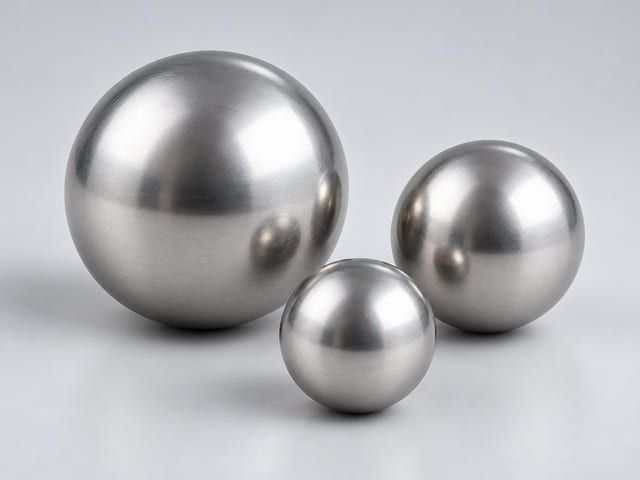
CGI illustrations explain product, application or structure concepts. They are not photographs, measured micrographs, assembly drawings or inspection results.