Precision Valve Balls
Valve balls are spherical closure components used in fluid-control assemblies. A solid ball for a check valve and a bored ball for a quarter-turn valve perform different jobs and require different drawings. Define the valve type, working fluid, seat, operating conditions and acceptance test before choosing material or finish. MEITUO reviews the component requirements and quotation scope against your application.
- Material / construction
- Specified metal, ceramic or polymer
- Specification basis
- Drawing, diameter & acceptance
- Order basis
- Sample & production quantities
Precision Valve Balls: selection overview
The term valve ball describes a function rather than a single standard shape. In a check valve, a solid sphere moves against a seat as the pressure direction changes. A rotary valve normally uses a machined flow bore and a drive interface. Treating those components as interchangeable can produce an incomplete enquiry even when the outside diameter matches. The ball, seat, retainer and housing create the working seal together. Surface appearance alone cannot establish shut-off performance; the assembly needs a defined leakage criterion under stated conditions.
Solid check ball or bored rotary ball?
Start with the valve arrangement and identify the moving element on a drawing. For a solid check ball, explain the seat form, travel allowance and orientation. For a rotary ball, include the bore, stem interface and the surfaces that must remain concentric. A photograph is useful for identifying the component, but it does not define all tolerances. Where an existing component is being replaced, separate dimensions measured from a worn sample from the original design requirements.
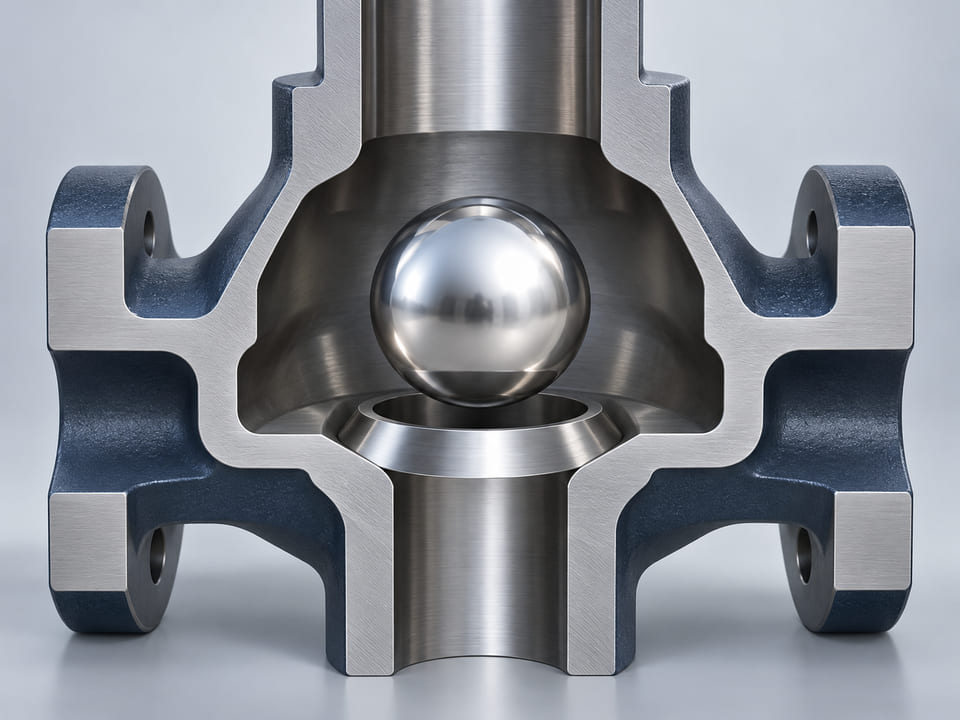
Specify the sealing pair
A highly polished ball can still leak against an unsuitable seat. Discuss seat material, contact geometry, trapped particles and cleaning conditions alongside the ball material. For a component-only enquiry, define which tests belong to the ball supplier and which belong to the valve assembler. If you need a matched ball and seat, request that scope explicitly. Functional acceptance should state the test medium and method without assuming a loose-ball inspection proves complete-valve performance.
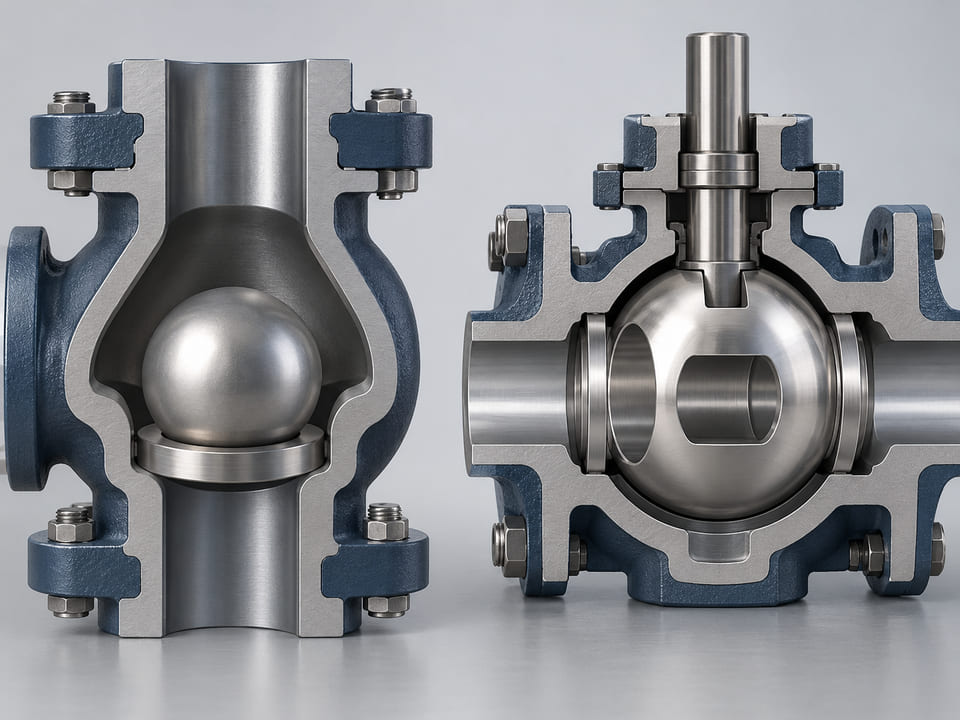
Precision Valve Balls specifications
Define the component using the requirements below. Include your target values and acceptance method; the quotation records the agreed material, geometry, inspection and supply scope.
| Requirement | What to specify | Why it matters |
|---|---|---|
| Valve geometry | Solid closure sphere or machined rotary component; drawing revision. | The product name alone does not define the shape. |
| Sealing contact | Seat material, contact band and finish criteria. | The mating interface determines functional acceptance. |
| Fluid conditions | Operating and cleaning media, temperature and pressure conditions. | Both routine operation and maintenance affect material choice. |
| Functional test | Test medium, method and acceptance limits supplied by the buyer. | Component inspection and assembly testing serve different purposes. |
Drawing and dimensional acceptance
Provide the drawing revision and nominal dimensions with units. Identify critical form, surface and fit requirements individually; a material designation alone does not define a finished component. Where an existing sample is the reference, describe wear and confirm the intended acceptance limits.
Order and inspection scope
Separate sample quantities from production demand. State the required inspection documents, lot identification, cleanliness and packaging. Any proposed substitute or change to the component specification should be reviewed before approval, with the quotation confirming the agreed scope.
Numeric performance values, when needed, must identify their material, conditions and evidence. Typical raw-material data should not be treated as guaranteed finished-component performance.
Precision Valve Balls applications
Start with the actual mechanism and exposure conditions. Each use below identifies the information needed for a useful technical review.
Metering pump check valves
Solid spheres can provide the moving closure in a small dosing assembly. Material selection must consider the metered fluid as well as the seat and cleaning routine. Give the pump arrangement and identify whether the enquiry covers the ball alone or its matching seat.
Industrial rotary valves
A bored sphere belongs to a different component scope from a loose check ball. Bore geometry, drive interface and seating areas must be reviewed together. Include the complete drawing so that quotation does not reduce a functional valve component to its outer spherical diameter.
Replacement closure components
An existing part can help establish the required shape and assembly context. Wear, deposits or deformation may obscure the intended size and finish. Supply any original part reference and explain the failure being investigated before approving a like-for-like replacement.
Compare Precision Valve Balls alternatives
Compare the requirement that drives the decision. A matching nominal diameter or similar appearance does not establish material or functional equivalence.
| Alternative | When to review it | Tradeoff to assess |
|---|---|---|
| Matched ball and seat | Consider a paired component scope when the contact interface or functional test needs to be controlled together. | A matched set still needs an agreed assembly test; pairing alone does not establish a universal leakage class. |
| 316/316L stainless balls | Review a solid stainless sphere where a chemically compatible metallic check ball is the required closure geometry. | Material identity does not define seat performance, and a solid sphere cannot replace a bored rotary ball. |
| PTFE balls | Compare a fluoropolymer closure where fluid compatibility and a nonmetallic contact are important to the application. | Deformation and thermal response change the sealing interface; the original metallic design cannot simply be assumed compatible. |
These links open the corresponding product pages in this collection. Final selection depends on your complete specification and the agreed validation.
Precision Valve Balls FAQs
Are all valve balls drilled through?
No. Check valves commonly use a complete solid sphere, while a rotary ball valve uses a machined flow passage. Identify the valve mechanism and supply its drawing. The required bore and drive features cannot be inferred from the words valve ball.
Does a polished ball guarantee a tight seal?
No. The seat geometry, surface condition, contamination and assembly conditions all affect leakage. Define an acceptance method for the actual valve or paired components. A visual polish description is not a substitute for the sealing surface requirements or a functional test.
Which material should I specify?
Select around the actual fluid, temperature, contact conditions and mechanical design. Stainless steel, ceramic and polymer candidates have different limitations. Include the cleaning medium and seat material so that compatibility review covers the whole operating cycle rather than a single fluid name.
Can a sample replace a drawing?
A sample helps identify the component and can support a replacement enquiry. It may contain wear or permanent deformation, so it does not automatically establish the original dimensional limits. Highlight critical features and provide the original drawing or acceptance requirements where available.
Can I enquire about a ball and seat together?
Yes. Identify the paired scope in your enquiry and describe the seat material, assembly interface and functional acceptance. Feasibility, responsibilities and sample validation need review before quotation. A component pairing proposal does not imply an existing qualified assembly or standard stock set.
What information makes a quotation useful?
Provide the valve type, drawing or ball dimensions, material request, sample and production quantities, seat details and operating conditions. Add the inspection and leakage requirements. These inputs let the quotation address the working component rather than an isolated nominal diameter.
Request a quotation
Turn the Precision Valve Balls requirements into a clear enquiry for MEITUO Balls.
- Define the material and geometry.
- Describe the application and acceptance.
- Separate sample and production demand.
The quotation confirms feasibility, supply scope, inspection documents and commercial terms. Generated illustrations are not evidence of available stock or completed validation.
Continue your material review
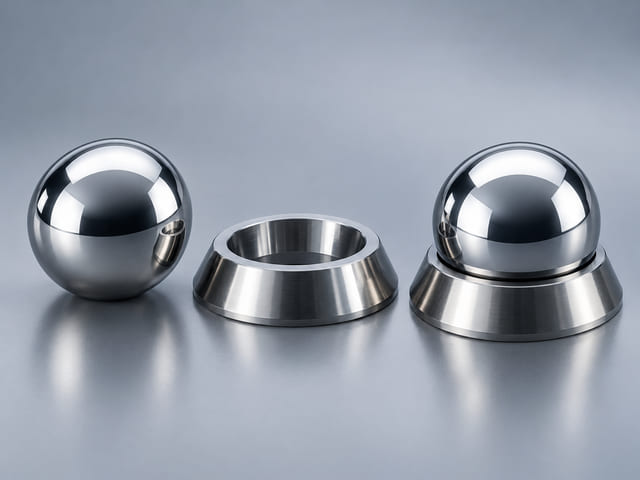
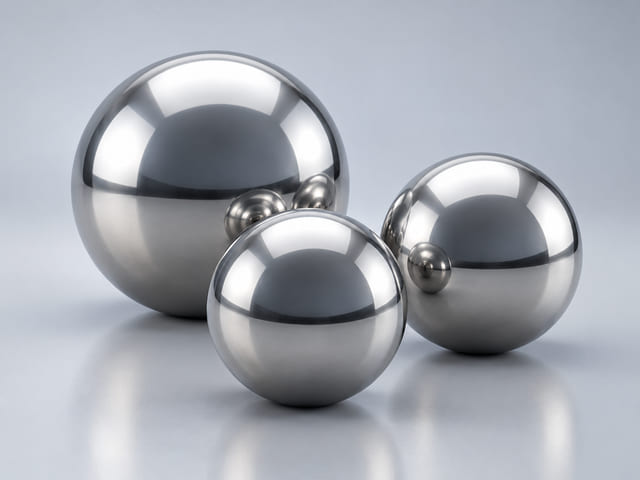
Engineering references and illustration notes
Material-family references support screening. The exact grade, finished geometry and application acceptance govern an actual enquiry.
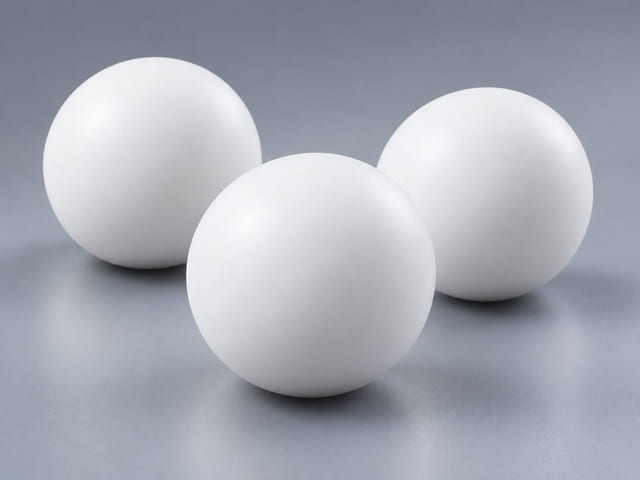
CGI illustrations explain product, application or structure concepts. They are not photographs, measured micrographs, assembly drawings or inspection results.