Decorative Glass Marbles
Glass marbles are decorative spheres selected for colour, pattern, size and appearance in displays, ornamental fills and designed visual components. They are distinct from precision valve balls and optical lenses. Specify the glass and colour design, diameter distribution, surface-defect limits, intended use, quantity and packing requirements before comparing samples or quotations, especially when batch-to-batch visual consistency matters.
- Material / construction
- Decorative glass; composition and colour design identified
- Specification basis
- Drawing, diameter & acceptance
- Order basis
- Sample & production quantities
Decorative Glass Marbles: selection overview
Decorative marbles are judged by a combination of appearance and practical handling rather than a bearing-style material label. Internal ribbons, swirls or inclusions may be intentional design features, while chips, unacceptable bubbles or inconsistent colour may be defects. Define that boundary using a reference sample or visual standard. If the sphere also has a mechanical or optical function, specify it separately; a decorative product should not silently become a precision component. A consistent sample presentation helps buyers distinguish an approved visual range from an unrealistic expectation that every patterned sphere will be identical.
Agree a visual range before production review
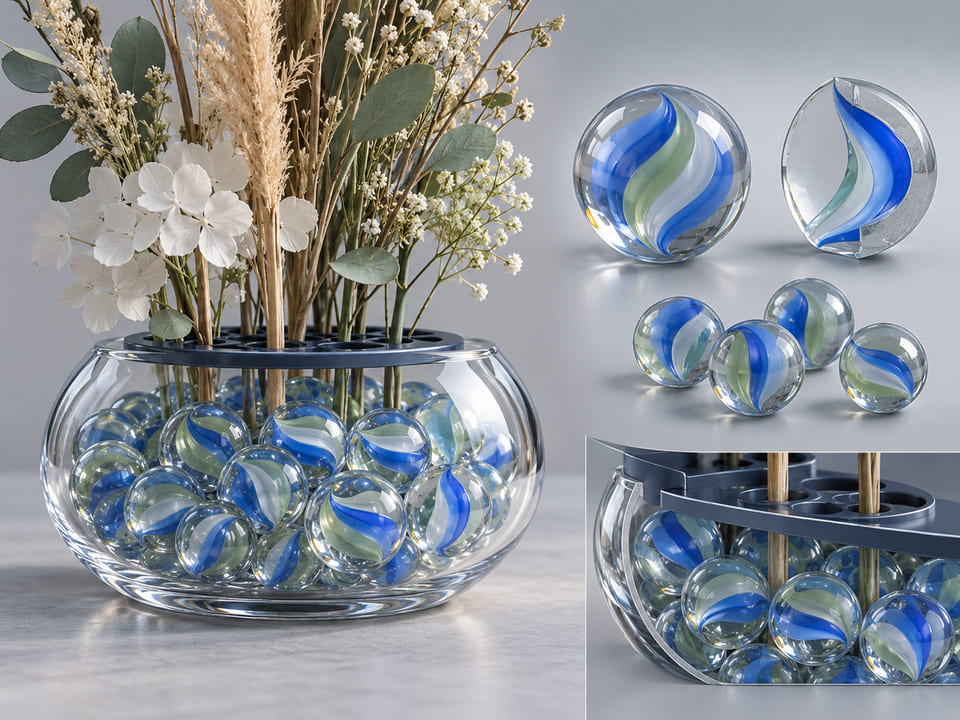
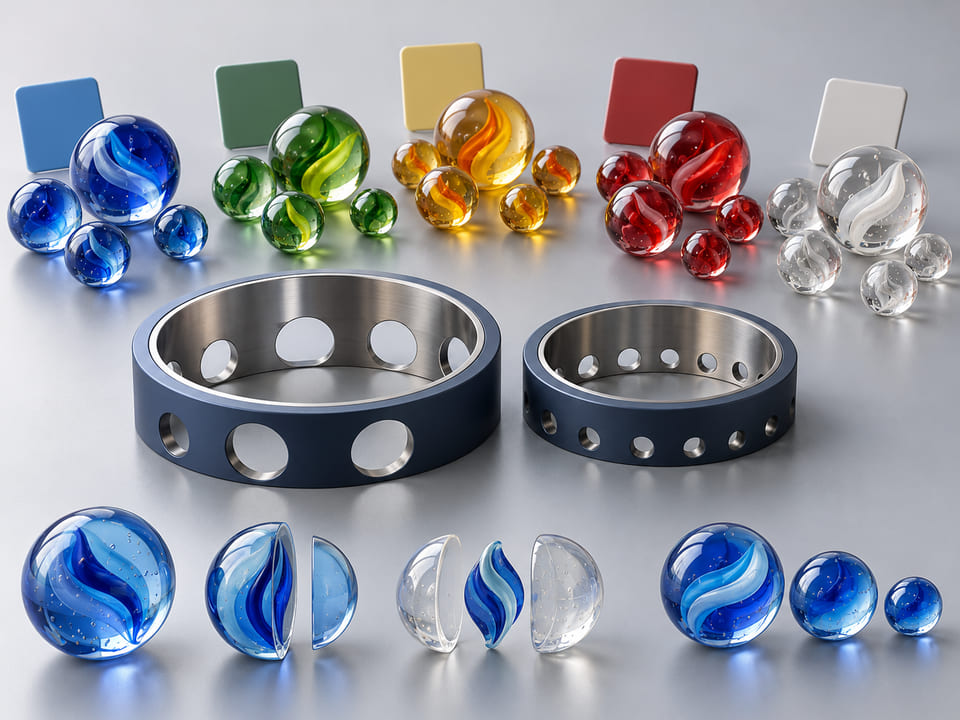
State the intended colours, pattern style and acceptable variation. Use representative approved samples under agreed lighting rather than one highly selected photograph. Identify whether bubbles, swirl variation or small surface marks are permitted, and define chips or damaged surfaces separately. This makes batch acceptance practical when decorative patterns naturally vary. Where a colour is tied to a brand or display system, provide the reference and confirm whether an approximate glass effect or a measured match is required.
Specify size distribution and the actual use
An ornamental fill, a constrained visual mechanism and a display piece need different size and surface control. State whether a nominal diameter band is enough or individual limits are required, then describe the fixture or container. Include contact with liquids, coatings or adhesives if relevant. If the application needs regulated contact or another specific product classification, identify the corresponding requirement so a decorative glass description is not mistaken for proof of suitability beyond its intended use.
Decorative Glass Marbles specifications
Define the component using the requirements below. Include your target values and acceptance method; the quotation records the agreed material, geometry, inspection and supply scope.
| Requirement | What to specify | Why it matters |
|---|---|---|
| Appearance standard | Define colours, pattern style and the acceptable visual range. | An internal decorative pattern may vary without being a defect. |
| Size acceptance | State nominal size band or individual dimensional limits. | Display fill and constrained components need different size control. |
| Surface quality | Define chips, scratches, bubbles and approved intentional features. | A practical defect standard prevents inconsistent batch decisions. |
| Use and packing | Identify the container or product, exposure and packing separation. | Intended use and handling determine the relevant acceptance beyond appearance. |
Drawing and dimensional acceptance
Provide the drawing revision and nominal dimensions with units. Identify critical form, surface and fit requirements individually; a material designation alone does not define a finished component. Where an existing sample is the reference, describe wear and confirm the intended acceptance limits.
Order and inspection scope
Separate sample quantities from production demand. State the required inspection documents, lot identification, cleanliness and packaging. Any proposed substitute or change to the component specification should be reviewed before approval, with the quotation confirming the agreed scope.
Numeric performance values, when needed, must identify their material, conditions and evidence. Typical raw-material data should not be treated as guaranteed finished-component performance.
Decorative Glass Marbles applications
Start with the actual mechanism and exposure conditions. Each use below identifies the information needed for a useful technical review.
Display and ornamental fill
Decorative marbles can create a repeatable colour and texture in a display vessel or arrangement. Define the visual mix, size distribution and container. Consider handling and retrieval so surface damage or broken pieces do not undermine the intended appearance, and agree whether mixed colours or a controlled selection is required.
Visual product components
A marble may form an ornamental element in a designed product where a visible sphere is the objective. Define the retaining geometry, appearance and cleaning conditions. If the product also requires movement, load or light transmission, add those functional requirements explicitly rather than relying on decorative sample approval alone.
Batch visual programmes
Where marbles are supplied across repeated display or product batches, use an agreed reference set and inspection method. Specify acceptable variation and packing separation. A high-quality first sample should represent the deliverable visual range, allowing subsequent batches to be assessed consistently without requiring naturally variable internal patterns to be identical.
Compare Decorative Glass Marbles alternatives
Compare the requirement that drives the decision. A matching nominal diameter or similar appearance does not establish material or functional equivalence.
| Alternative | When to review it | Tradeoff to assess |
|---|---|---|
| Precision soda-lime glass balls | Compare a precision glass sphere when form, smooth contact or an instrument function matters more than a decorative internal pattern. | A precision specification and a decorative visual standard address different acceptance needs, so state the function and inspection basis explicitly. |
| PMMA acrylic spheres | Review acrylic where a lower-mass clear or coloured sphere offers a useful visual alternative in the intended display or component. | Scratching, cleaners and optical appearance differ from glass; validate the practical handling and retention rather than choosing only by colour. |
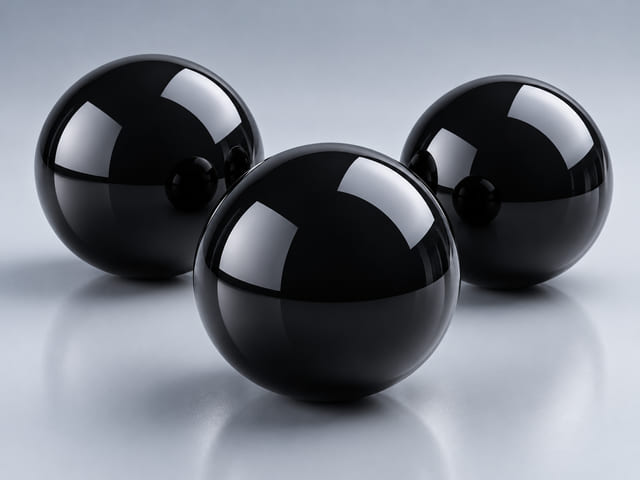
| Black glass spheres | Compare black glass when a solid dark appearance and controlled gloss are preferable to a multicolour or patterned decorative effect. | Specify composition and quality separately; uniform colour does not automatically establish a precision instrument or optical-grade component. |
These links open the corresponding product pages in this collection. Final selection depends on your complete specification and the agreed validation.
Decorative Glass Marbles FAQs
Are decorative marbles precision glass balls?
Not by default. Decorative products prioritise colour, pattern and appearance, while a precision component needs defined geometry, form, surface and function. If a marble will run in a guide, seat in a valve or perform optically, provide those requirements explicitly and use the appropriate component acceptance method.
Will every marble have the same internal pattern?
Not necessarily. Decorative swirls or ribbons can vary, so agree a representative visual range rather than one selected photograph. Define acceptable colour balance, pattern style and visible defects. If unusually close matching is required, identify that requirement before sampling so feasibility and inspection can be reviewed.
Can colour be matched to a reference?
A colour or appearance target can be reviewed against a physical or defined reference. Clarify whether the requirement is a general decorative effect or a controlled measured match, and agree the viewing conditions. Glass thickness, illumination and internal pattern can all change the perceived colour of a sphere.
Can marbles be used in fluid-contact products?
That requires a separate review of composition, surface, cleanliness and the actual liquid or contact requirement. Decorative appearance does not establish chemical suitability or regulated-contact conformity. Identify the intended use and required evidence before treating a visually approved marble as an acceptable fluid-contact component.
How should decorative batches be inspected?
Use the agreed size band, reference sample set, lighting and defect definitions. Check chips and handling damage separately from intentional pattern variation. A consistent method allows practical batch acceptance without rejecting approved visual variation or overlooking damage that affects the appearance and use of the delivered spheres.
What should a decorative marble quotation include?
Provide size distribution, colour and pattern reference, acceptable variation, quantity, intended use and packing. Add any mechanical, optical or contact requirements explicitly. The proposal should then identify a representative sample basis and commercial terms, without implying that an ornamental product automatically has a precision grade or special-use certification.
Request a quotation
Turn the Decorative Glass Marbles requirements into a clear enquiry for MEITUO Balls.
- Define the material and geometry.
- Describe the application and acceptance.
- Separate sample and production demand.
The quotation confirms feasibility, supply scope, inspection documents and commercial terms. Generated illustrations are not evidence of available stock or completed validation.
Continue your material review
Engineering references and illustration notes
Material-family references support screening. The exact grade, finished geometry and application acceptance govern an actual enquiry.
CGI illustrations explain product, application or structure concepts. They are not photographs, measured micrographs, assembly drawings or inspection results.